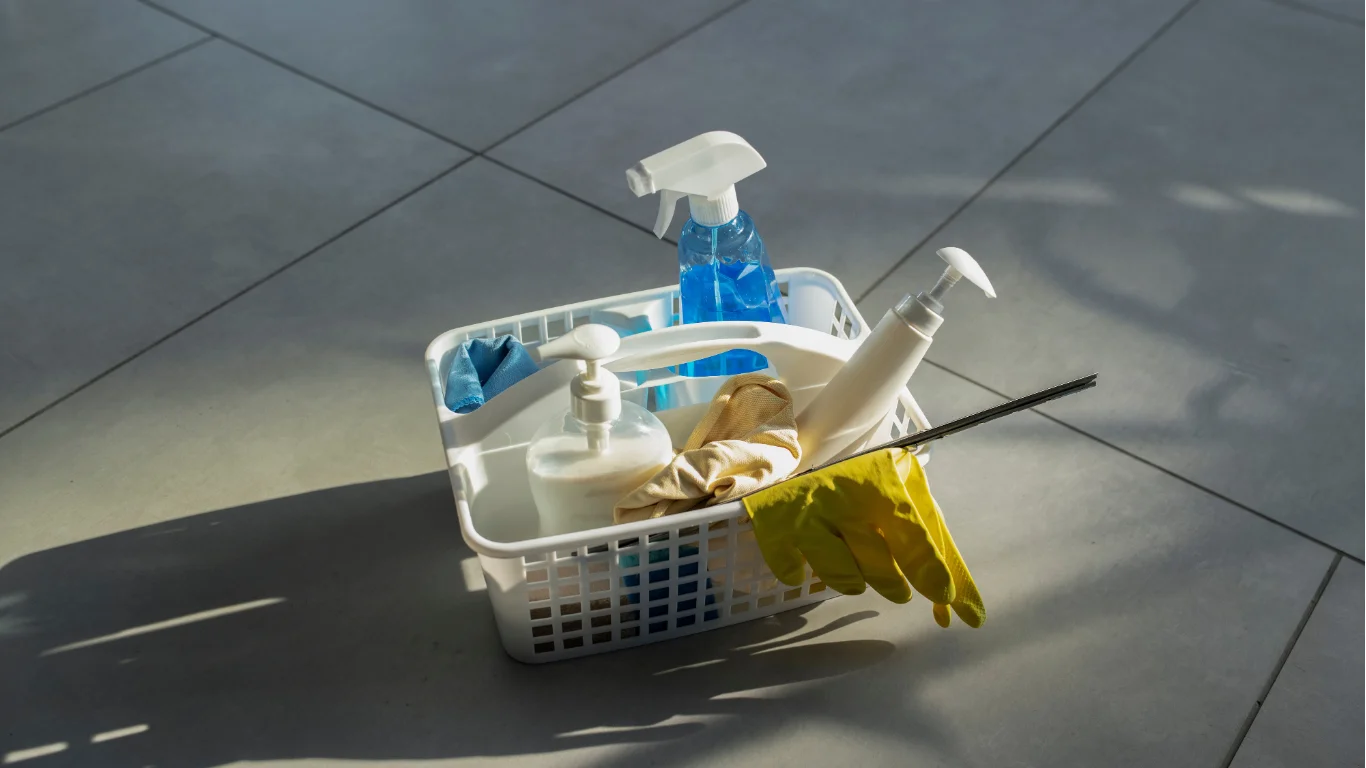
Walk into any manufacturing plant, warehouse, or commercial kitchen at 6 AM, and you’ll see the same thing. Workers gearing up with mops, sanitizers, and heavy-duty cleaners before the day officially starts. That’s because industrial cleaning supplies aren’t just nice to have anymore. They’re actually mandated by occupational health and safety regulations across most developed countries. The global industrial cleaning products market hit $54.2 billion in 2023, and honestly, that number makes sense when you think about how many facilities need daily deep cleaning. From food processing plants dealing with bacterial contamination risks to automotive factories managing oil spills and metal shavings, the right cleaning gear literally prevents shutdowns, injuries, and regulatory fines.
Why Standard Household Cleaners Don’t Cut It
Look, I’ve seen facility managers try to save money using regular household products. It never ends well. Industrial environments deal with contaminants that your kitchen never sees. We’re talking about petroleum-based residues, chemical spills, heavy metals, and biological hazards that require pH-specific formulations. A study from the National Institute for Occupational Safety and Health found that improper cleaning in industrial settings contributed to 23% of workplace slip-and-fall accidents. That’s huge when you consider those accidents cost businesses an average of $40,000 per incident in medical costs and lost productivity.
Industrial-grade degreasers, for instance, contain surfactants with HLB values between 10-16, which means they can actually break down hydrocarbon chains. Compare that to dish soap, which barely registers on the same scale. Floor cleaning machines in warehouses need to handle 100,000+ square feet daily. Try doing that with a household mop and you’ll be there until next Tuesday.
The Real Cost of Skimping on Quality
Here’s something most procurement departments miss. Cheap industrial cleaners often require 3-4 times more product to achieve the same result as concentrated professional formulations. I watched one facility switch to a bargain-brand degreaser to save 30% upfront. Six months later, they were using double the volume and still getting complaints about residue buildup on machinery. The math didn’t math.
Then there’s the equipment side. Professional-grade floor scrubbers and pressure washers aren’t just bigger versions of consumer models. They’re built with commercial-duty motors rated for 2,000+ hours of operation, stainless steel components that resist chemical corrosion, and filtration systems that prevent cross-contamination. A decent industrial wet-dry vacuum pulls 150+ CFM of airflow. Consumer versions? Maybe 60 CFM on a good day.
Compliance Issues Nobody Talks About
Food manufacturing facilities face FDA regulations requiring specific sanitizer concentrations, usually between 50-200 ppm of quaternary ammonium compounds. Healthcare-adjacent industries need EPA-registered disinfectants with verified kill times against specific pathogens. Getting this wrong doesn’t just risk product recalls. It can literally shut down operations until compliance audits clear you. The average cost of a food safety recall runs between $10-30 million when you factor in product destruction, legal fees, and brand damage.