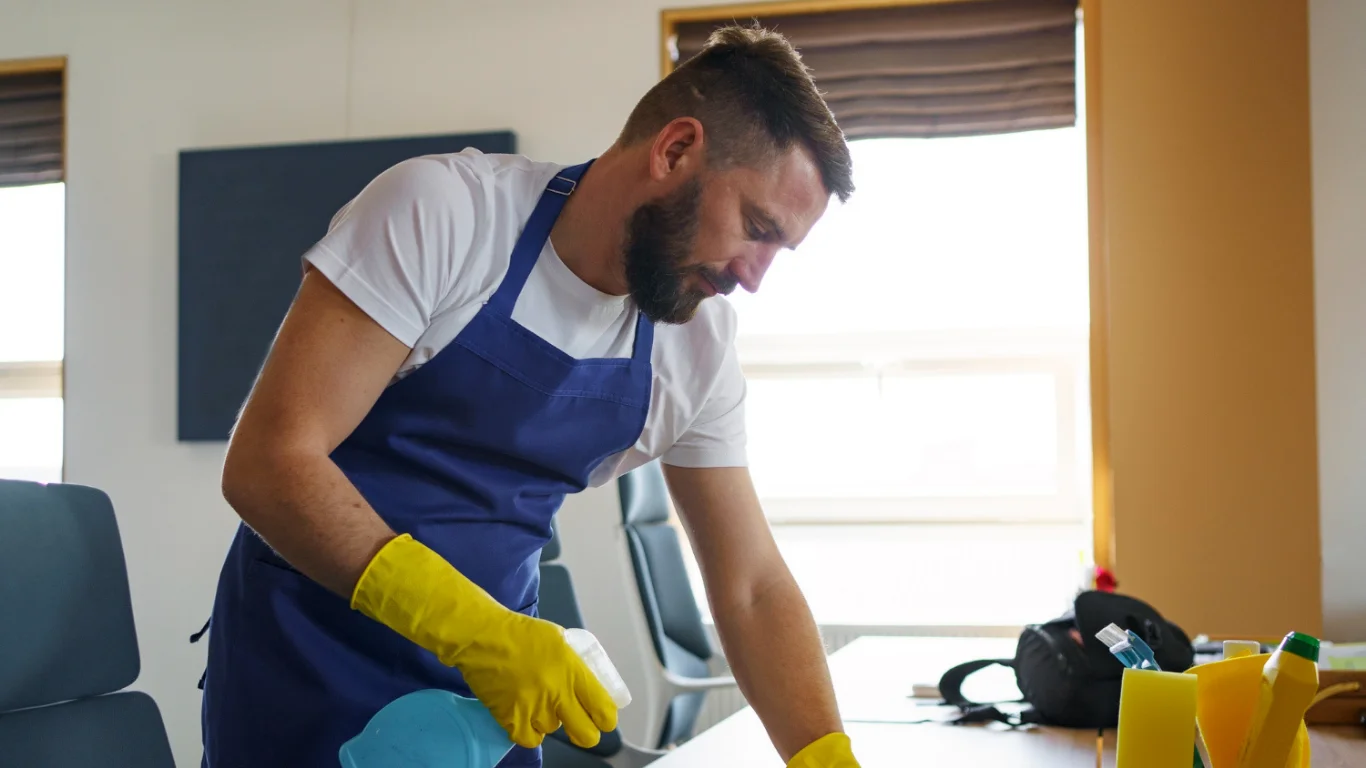
Nashville’s art galleries serve as cultural anchors, drawing visitors into spaces where creativity and commerce intersect. Yet behind every pristine exhibition lies an often-overlooked reality: maintaining these environments requires specialized care that goes far beyond routine janitorial work. The delicate balance between preserving valuable artwork and creating welcoming public spaces demands expertise that few property managers possess in-house.
Unlike conventional office buildings or retail spaces, galleries present unique challenges. Dust particles can settle on canvas surfaces, humidity fluctuations threaten archival materials, and foot traffic from opening receptions leaves its mark on carefully curated floors. Professional cleaning services tailored to these environments don’t simply remove visible dirt—they implement preservation protocols that protect investments worth thousands or even millions of dollars while ensuring visitors experience art in optimal conditions.
Why Art Spaces Require Specialized Maintenance
In gallery settings, these risks multiply with public access.
Professional services designed for art environments address several critical needs:
- Surface-Specific Protocols: Different materials—from oil paintings to bronze sculptures to photographic prints—require distinct cleaning approaches. Trained technicians understand which solutions and tools to use on each surface without causing chemical reactions or physical damage.
- Atmospheric Control: Beyond visible cleaning, maintaining proper air quality prevents the accumulation of particulates that degrade artwork over time. HEPA filtration systems and controlled ventilation become essential components of the maintenance strategy.
- Timing and Discretion: Gallery cleaning typically occurs outside public hours, requiring flexible scheduling and efficient execution that doesn’t disrupt exhibition schedules or private events.
Sustainable Practices in Cultural Spaces
The shift toward environmentally responsible cleaning methods has found particular resonance in art communities, where sustainability often aligns with institutional values. Green cleaning products eliminate the harsh chemical off-gassing that can damage sensitive materials while reducing the environmental footprint of daily operations.
Modern eco-friendly formulations offer several advantages for gallery environments:
- Material Compatibility: Plant-based cleaners and pH-neutral solutions minimize the risk of chemical interactions with artwork, particularly important for mixed-media installations and contemporary pieces using unconventional materials.
- Indoor Air Quality: Volatile organic compounds (VOCs) from traditional cleaning products can linger in enclosed gallery spaces. Low-VOC alternatives protect both artwork and human health, particularly relevant for staff who spend extended hours in these environments.
- Institutional Alignment: Many galleries pursue LEED certification or similar sustainability benchmarks. Cleaning practices that support these goals strengthen grant applications and donor relationships.
Technology Integration in Modern Gallery Maintenance
Advances in cleaning technology have created new possibilities for gallery maintenance, though adoption requires careful evaluation of how equipment interacts with sensitive environments. Automated systems offer consistency and efficiency, but only when properly calibrated for art spaces.
Current technological applications include:
- HEPA Filtration Systems: Commercial-grade vacuums with sealed HEPA filters capture particles as small as 0.3 microns, preventing redistribution of dust during cleaning operations.
- Microfiber Technology: Advanced microfiber cloths and mops trap particles through electrostatic attraction rather than chemical action, reducing the need for cleaning solutions near artwork.
- UV-C Disinfection: Some galleries have adopted ultraviolet disinfection systems for high-traffic areas, though these require careful implementation to avoid UV exposure to light-sensitive artwork.
Window Maintenance and Natural Light Management
Natural light presents both opportunity and risk in gallery design. While daylight can enhance the viewing experience and reduce energy costs, it also introduces UV radiation that degrades artwork and creates cleaning challenges as windows accumulate environmental residue.
Professional window maintenance in gallery contexts addresses multiple concerns:
- Light Transmission: Clean windows maximize natural light penetration, reducing reliance on artificial lighting and the heat it generates. This becomes particularly important in galleries with skylights or large window installations.
- UV Filtering: Many gallery windows incorporate UV-filtering films or coatings that require specific cleaning methods to avoid damage. Professional services understand these material requirements.
- Exterior Presentation: Street-facing windows serve as advertising, drawing pedestrian traffic into gallery spaces. Streaks and water spots undermine the professional image galleries work to project.
The frequency of window cleaning varies by location—urban galleries near construction sites or high-traffic streets require more frequent service than suburban locations, creating variable cost structures that gallery managers must budget for accordingly.
Building Long-Term Maintenance Partnerships
The most successful gallery cleaning relationships extend beyond transactional service delivery to become genuine partnerships. Cleaning teams that understand a gallery’s collection, exhibition schedule, and institutional culture provide value that generic commercial services cannot match.
Developing these relationships requires:
- Onboarding and Training: New cleaning staff should receive orientation to the gallery’s specific needs, including which areas require extra caution and how to respond to unexpected situations like spills near artwork.
- Communication Protocols: Clear channels for reporting maintenance issues, scheduling changes, or concerns about artwork condition prevent small problems from escalating.
- Performance Evaluation: Regular assessment of cleaning quality, using objective metrics rather than subjective impressions, ensures standards remain consistent as staff and exhibitions change.
Art galleries can build long-term maintenance partnerships with Coverall PCS, Building Services Inc, or Gallery Support Services, extending beyond transactional service delivery.