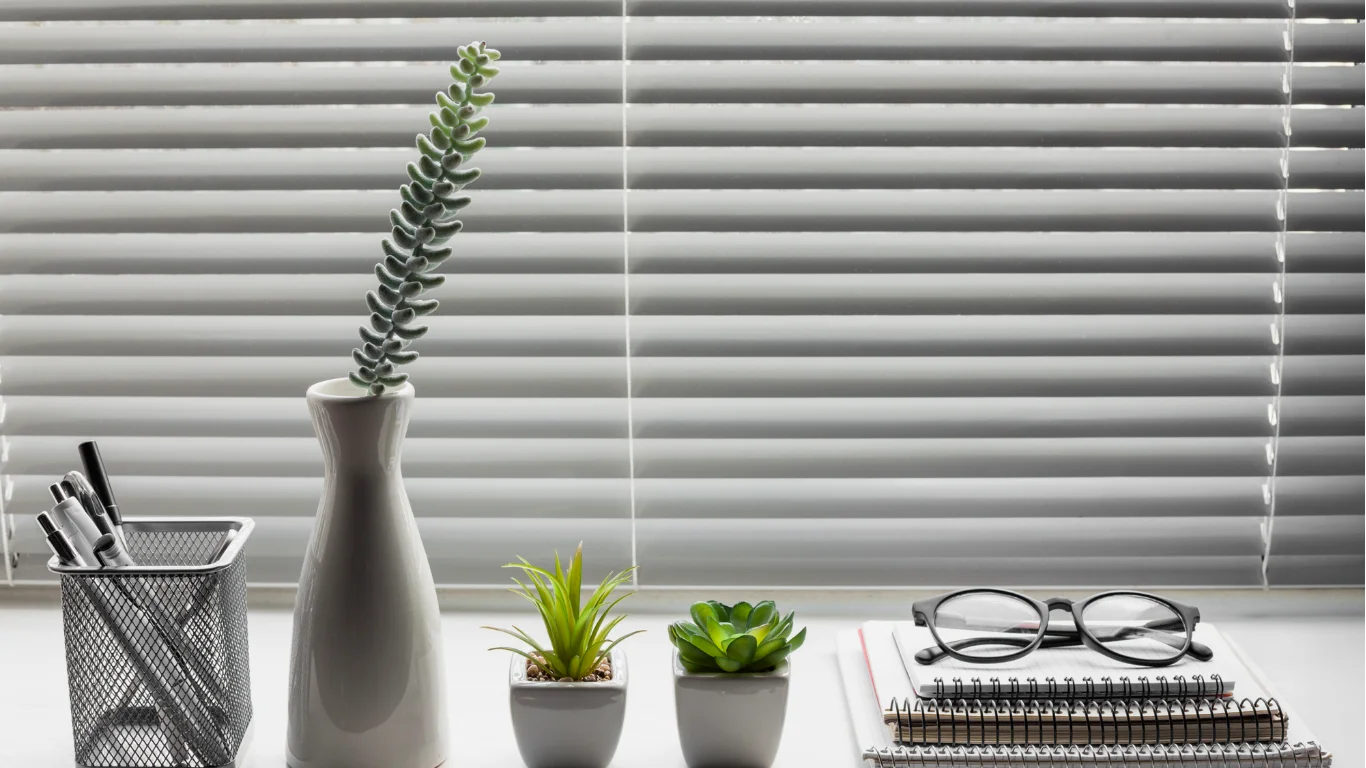
Unlike aluminum or PVC options, timber blinds use real wood slats that adjust to control sunlight, privacy, and room temperature. Timber venetian blinds bring natural elegance into homes while offering precise light management that synthetic materials can’t quite match. They work in basically any room, from bedrooms to living areas, and they’ve been around for decades because they actually solve problems. The wood grain patterns create visual interest that flat-colored blinds just don’t have, and when you tilt those slats, you get this warm, filtered light that makes spaces feel more inviting. Research from interior design studies shows natural materials like timber can reduce stress levels in living spaces by up to 15%, which makes sense when you think about how sterile some modern homes can feel.
Why Timber Actually Matters for Window Treatments
Wood isn’t just prettier than plastic, it performs differently too. Timber slats are usually thicker, around 50mm to 63mm wide, compared to aluminum’s 25mm standard. That extra thickness means better insulation properties. A study by the Australian Window Association found that quality timber blinds can reduce heat transfer through window installation by roughly 30% compared to bare glass. That’s real money saved on heating and cooling bills, especially in Australian climates where temperatures swing pretty dramatically.
The weight of timber also changes how the blinds operate. They move more smoothly because of the momentum, and when you set them at an angle, they tend to stay put better than lightweight alternatives. I’ve noticed this in homes I’ve visited, the timber ones just feel more substantial when you adjust them.
Natural Material Performance in Different Climates
Timber reacts to humidity, which sounds like a negative but can actually be a feature if you pick the right wood. Basswood is popular because it’s stable and resists warping even when moisture levels change. Cedar works great in bathrooms because it naturally repels moisture and doesn’t rot easily. The wood expands and contracts slightly with seasonal changes, which is normal and expected.
In Australia’s coastal areas, where humidity regularly hits 70% or higher, treated timber blinds hold up surprisingly well. The key is proper sealing and occasional maintenance. Most quality manufacturers apply UV-resistant coatings that prevent sun damage and color fading, which is crucial given Australia’s intense sunlight exposure.
Light Control Precision You Can’t Get Elsewhere
Here’s what sold me on timber venetian blinds: the way they filter light. When you angle the slats, you’re not just blocking sun, you’re redirecting it. Position them correctly and you can bounce natural light toward the ceiling, brightening a room without glare on screens or furniture. This matters more than people realize for reducing eye strain and creating comfortable workspaces at home.
The slat width gives you control over view-through too. Wider slats mean fewer gaps when closed, better privacy. But tilt them open and you get broader sight lines to the outdoors. It’s this adjustability that makes them practical for rooms that serve multiple purposes throughout the day.