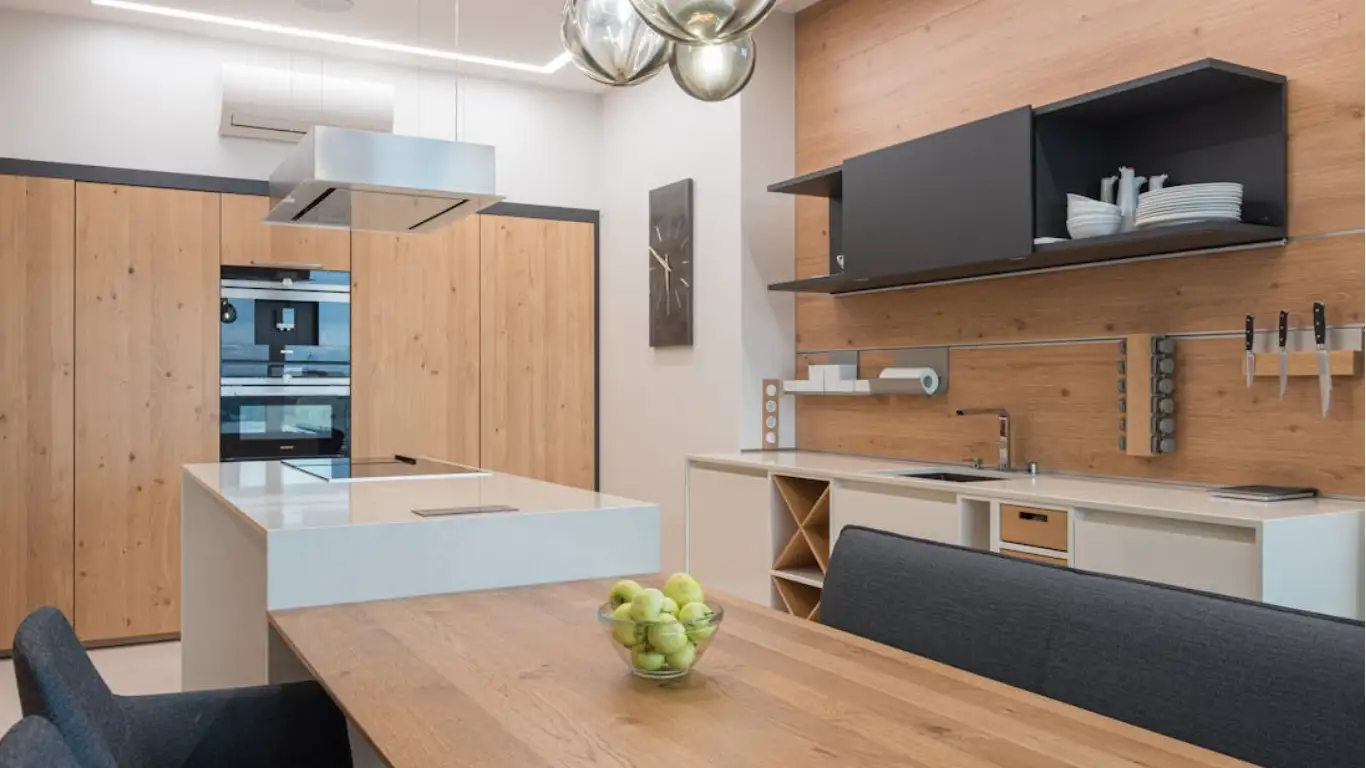
Here’s something you’ve probably noticed: your utility bills keep climbing while everyone’s talking about sustainability. It’s changed what homebuyers actually want. When you’re looking at energy efficient new build homes, you’re not just hunting for lower electric bills—though that’s a nice perk. You’re after something bigger: a space that feels comfortable year-round while protecting both your budget and the environment we all share.
The construction industry has caught up to this shift. Modern builds now outpace older houses by impressive margins, typically saving homeowners between $2,000 and $4,000 every single year. Let’s dive into what makes these communities such a compelling option for buyers who think ahead.
How Energy Standards Have Transformed New-Build Communities
Building requirements have shifted dramatically in just ten years. The changes? Nothing short of revolutionary.
Moving Beyond Minimum Requirements Toward Net-Zero
Remember the 2015 International Energy Conservation Code? It seems almost quaint now. Today’s 2021 standards demand significantly more, and smart builders aren’t stopping there. They’re pushing past basic compliance toward certifications like DOE Zero Energy Ready Home, LEED, and ENERGY STAR ratings. Here’s a telling data point: single-family home construction jumped 10% year-to-date through September NAHB. That surge reflects genuine demand for high-performance properties.
Your grandparents’ house simply can’t match what energy efficient features in new homes deliver from day one—superior thermal performance, proper air sealing, and system efficiency that’s baked right in. Net-zero ready certifications sit at the top of this evolution, preparing your home to eventually generate as much energy as it uses.
Why the Numbers Actually Make Sense
Sure, efficiency upgrades add 2-5% to your purchase price upfront. But here’s what matters: you’ll recover that investment within 3-7 years just through utility savings. Period.
The value proposition extends further. Eco friendly new construction homes consistently command 5-10% higher resale prices—studies prove it repeatedly. Federal tax credits through the Inflation Reduction Act add another layer of financial incentive, covering 30% of solar and battery costs through 2032. Your monthly utility statements tell the real story, though. Efficient homes routinely slice $150-$350 off bills compared to similar traditional properties.
Climate Control Systems That Actually Work Smarter
Creating genuine efficiency starts with two fundamental elements: sophisticated climate management and an exceptional building envelope.
Heat Pumps and Intelligent Climate Management
Heat pump technology has completely upended home heating and cooling. These systems deliver three to four times more energy than they consume—sounds impossible, right? Cold-climate versions now function efficiently even when temperatures plunge below zero, eliminating backup heating needs entirely. Pair multi-zone control with smart thermostats like Nest or Ecobee, and you’ve got systems that learn your patterns and adjust without prompting.
Variable-speed compressors fine-tune output to match actual demand rather than cycling on and off wastefully. The result? Quieter operation and temperatures that stay consistent throughout every room.
Building Envelopes That Actually Perform
High-performance insulation creates the foundation everything else builds upon. Spray foam, structural insulated panels (SIPs), and insulated concrete forms (ICFs) create thermal barriers that make traditional fiberglass batts look inadequate. Advanced framing reduces thermal bridging—those sneaky spots where heat escapes through wall studs.
Blower door testing verifies homes meet strict air tightness targets, usually under 3 air changes per hour at 50 pascals pressure (ACH50). Triple-pane windows featuring low-E coatings and argon fills block heat transfer while welcoming natural light. Energy Recovery Ventilators bring fresh air inside without wasting efficiency, using exhausted air’s temperature to precondition incoming air.
Auburn, Alabama exemplifies thoughtful community planning that blends contemporary construction with genuine quality of life. The college-town energy, outdoor access at Chewacla State Park, and solid local economy create something special for families and professionals alike.
Contemporary developments featuring auburn new homes demonstrate how new build communities energy efficiency standards work beautifully with lifestyle-centered design. These neighborhoods prove sustainability and comfort aren’t opposing forces—they’re complementary objectives that improve daily life while shrinking environmental footprints.
Solar Power and Home Automation That Actually Helps
Renewable energy paired with intelligent automation defines the next efficiency frontier.
Solar Options That Fit Your Situation
Solar-ready construction means proper roof orientation, structural support for panel weight, and pre-installed conduit for straightforward wiring. Community solar gardens let you tap renewable energy without rooftop installations—perfect when you’ve got shading issues or HOA restrictions. Individual arrays typically run 5-10 kilowatts for average homes, with monocrystalline panels hitting 20-22% efficiency.
The current 1.5 million home shortage NAHB highlights why efficient new construction matters so urgently—we need quantity and quality simultaneously. Battery systems like Tesla Powerwall or LG Chem enable time-of-use optimization, banking excess solar production for evening hours when utility rates spike. They also provide backup power during outages, boosting your home’s resilience.
Energy Monitoring That Reveals Everything
Real-time consumption tracking through systems like Sense or Emporia shows precisely where electricity flows. Circuit-level monitoring spots energy vampires and catches unusual patterns that signal equipment problems.
AI-powered optimization studies your habits and automatically adjusts systems to eliminate waste. Smart lighting with occupancy sensors and automated window treatments maximize natural light while minimizing HVAC demands. These features aren’t luxuries anymore—they’re becoming standard in progressive communities.
Customization Options During Construction
New construction presents unique chances to maximize efficiency when it’s most cost-effective.
Adding Features While Building
Installing energy efficient home upgrades during construction costs 30-50% less than retrofitting later. Enhanced insulation, larger solar arrays, and premium HVAC systems integrate seamlessly when added from the start. Many builders offer tiered packages, simplifying your choice between features and budget. Pre-wiring for electric vehicle charging (NEMA 14-50 outlets) runs just $500-$800 during construction versus $2,000-$3,000 afterward. Solar conduit rough-ins and battery prep ensure you can add these systems easily when you’re ready.
Protecting Your Long-Term Investment
Smart infrastructure pays off as technology evolves. Cat6 networking throughout supports expanding smart systems, while flexible space design accommodates decades of changing needs. Rolling upgrade costs into your mortgage spreads expenses over 30 years at today’s rates, avoiding separate financing later at higher interest.Smart thermostats qualify for utility rebates from $50-$200, and many utilities offer additional incentives for joining demand-response programs that reduce peak load.
Questions You’re Probably Asking
What energy efficiency or design features should be considered when constructing new homes?
Advanced insulation, high-performance windows, and air-sealing methods regulate indoor temperatures effectively, keeping spaces cool during summer and warm through winter without straining your HVAC system.
Are new construction homes energy efficient?
Energy efficiency ranks among new construction’s biggest advantages. Unlike older properties, newly built homes incorporate modern materials, technologies, and building standards that dramatically cut energy consumption.
Do energy-efficient features require special maintenance?
Most efficient systems actually need less maintenance than conventional equipment. Heat pumps want annual checkups, ERV filters need changing every 6-12 months, and smart systems handle software updates automatically. These simple tasks beat maintaining aging, inefficient equipment.
Making the Right Choice for Your Future
Energy-efficient new-build communities offer something beyond reduced utility bills—they’re investments in comfort, health, and environmental responsibility. Modern construction provides superior indoor air quality, consistent temperatures, and whisper-quiet operation older homes simply cannot match. Federal incentives and utility rebates substantially offset upfront costs, while monthly savings compound year after year. The typical efficient home prevents over six tons of CO2 emissions annually compared to traditional construction. As energy costs keep rising and climate concerns intensify, these homes shield you from uncertainty while delivering measurable financial returns for decades ahead.