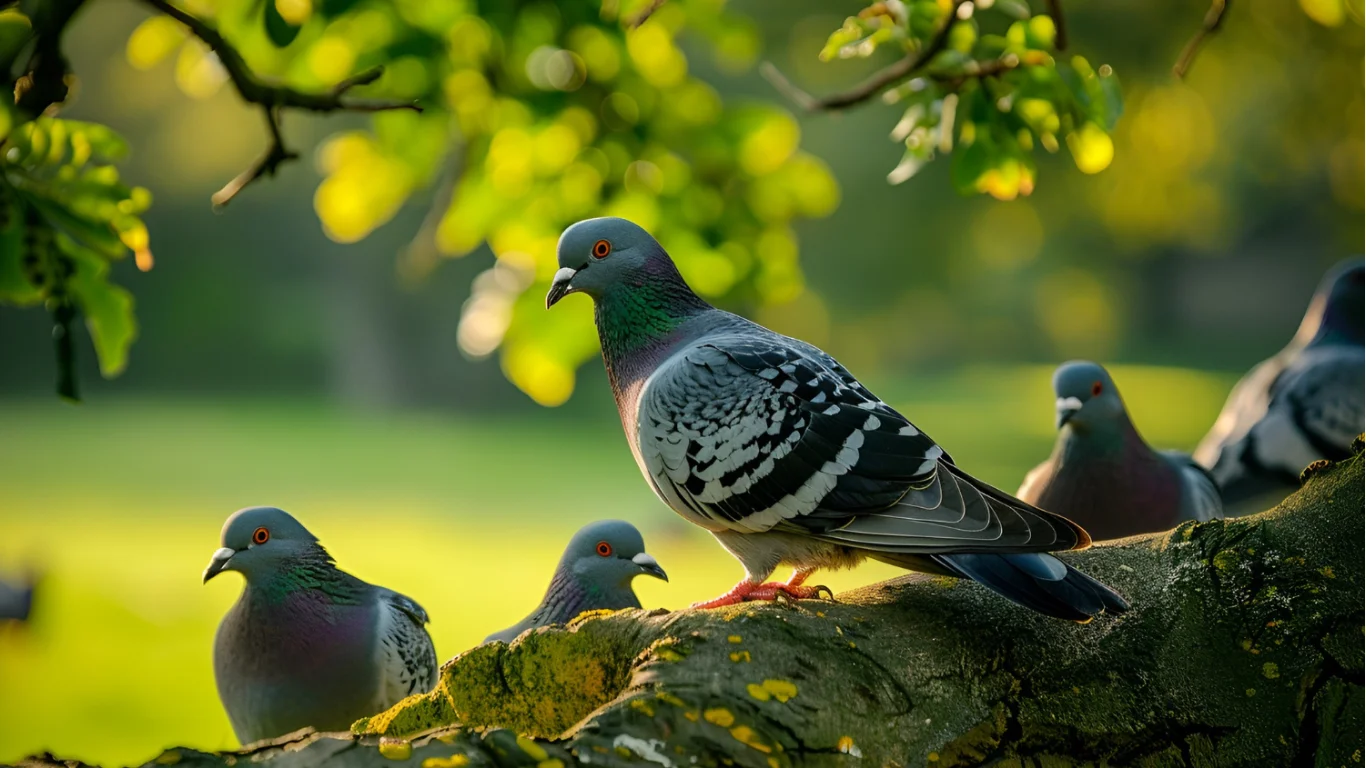
Pigeons can quickly overrun urban areas because they breed throughout the year and adapt well to city life. A single pair of pigeons can produce dozens of offspring in just one season, which explains why populations grow so fast in places with abundant food and shelter. Traditional methods often provide only temporary relief, as they fail to address the root causes of population growth.
Effective pigeon control requires a focus on long-term population reduction rather than short-term removal of individual birds. The most successful approaches combine several strategies that work together to limit reproduction and make areas less attractive to pigeons. These methods include changes to the environment, contraceptive solutions, physical barriers, and natural repellents that discourage birds from settling in specific locations.
Habitat modification to reduce food and roosting sites
Habitat modification addresses the root causes that allow pigeon numbers to grow. By removing access to food, water, and shelter, property managers can make areas less attractive to pigeons over time.
The first step involves eliminating food sources that sustain large flocks. Property owners should clean up spilled grain near loading areas and storage facilities. In addition, they need to discourage people from feeding pigeons in parks and public spaces. These actions cut off the steady supply of nutrition that allows populations to expand.
Roosting and nesting sites also require attention for effective control. Pigeons prefer flat surfaces and protected ledges where they can rest and raise young. Installing physical barriers on these surfaces prevents birds from settling in. However, combining these methods with pigeon population control with contraceptives creates better results than habitat changes alone.
Property managers should also address water sources by fixing leaks and covering containers. Without easy access to food, water, and shelter, pigeons naturally move to different locations. This approach reduces populations without causing harm to the birds.
Use of OvoControl contraceptive bait to prevent egg hatching
OvoControl is an oral contraceptive that manages pigeon populations through reproductive control. The product contains nicarbazin, an active ingredient that stops eggs from hatching. Property owners place the bait in areas where pigeons regularly feed.
The nicarbazin in OvoControl works by interfering with egg yolk formation and prevents fertilized eggs from developing. Pigeons need to consume about 5 grams of the bait each day for the method to work. This approach does not harm the birds or leave toxic residues in the environment.
Population numbers decline gradually over time as fewer young birds hatch. The effects are reversible if birds stop consuming the bait. However, this method requires patience because results appear slowly through natural attrition rather than immediate removal.
Users must first establish a feeding routine with regular food before they introduce the contraceptive bait. This process typically takes two to four weeks. The method works best for large areas where traditional control proves difficult to apply.
Installation of non-lethal deterrents like spikes and nets
Bird spikes and nets provide effective physical barriers that stop pigeons from perching on buildings and structures. These tools work by making surfaces uncomfortable or impossible for birds to land on. Spikes consist of stainless steel or polycarbonate rods attached to a base, while nets create complete barriers across larger areas.
Property owners should install spikes on ledges, window sills, and other flat surfaces where pigeons frequently perch. The installation requires careful measurement and secure attachment to prevent gaps that birds might exploit. However, proper placement matters more than simple coverage.
Nets work well for large open spaces like parking garages, courtyards, and loading docks. They block access to entire areas rather than just specific landing spots. Both methods require correct installation to remain effective over time.
These deterrents prevent pigeons from establishing nests and roosting sites. As a result, bird populations gradually decline in treated areas. The methods cause no harm to the birds but simply redirect them to other locations.
Implementing natural deterrents based on pigeons’ aversions
Pigeons avoid certain smells and physical sensations that make areas uncomfortable for them. Strong scents like peppermint oil, cayenne pepper, and vinegar can discourage birds from settling in treated spots. These substances must be reapplied regularly to maintain their effectiveness.
Reflective surfaces and objects that move in the wind create an environment pigeons find unsettling. Shiny tape, old CDs, and lightweight pinwheels produce visual disruptions that make birds feel unsafe. These items work best in areas where pigeons typically land or roost.
Texture-based deterrents also prevent pigeons from settling on ledges and surfaces. Sticky gels and bird spikes create physical barriers that birds find unpleasant. However, environmental modification proves most effective for sustained results. Property owners should remove food sources and block access to potential nest sites.
Natural methods require consistent application and work best as part of a broader strategy. Birds may adapt to single deterrents over time, so property owners often need to rotate different approaches.
Combining multiple strategies for sustained population management
A single method rarely solves pigeon problems on its own. Property owners and city planners need to use several approaches together to see real results. For example, birth control products work well with habitat changes to reduce food sources and nest sites.
Physical barriers keep pigeons away from specific areas in the short term. However, these deterrents must pair with population control methods for true long-term success. Birth control limits how many new birds join the flock each year, which slowly reduces total numbers.
Communities should adapt their strategies to match their specific needs. A transit hub might focus on exclusion methods in certain zones while it applies reproductive control across the broader area. These combined efforts create better outcomes than any single approach.
The key is to maintain these methods over time rather than stop after a few months. Consistency allows each strategy to build on the others and prevents populations from simply returning to previous levels.
Conclusion
Long-term pigeon population control requires a shift from quick fixes to sustainable strategies. Property owners who combine physical barriers with contraceptive methods achieve better results over time. These humane approaches reduce flock sizes without harm to the birds or the environment. Success depends on consistent effort and the use of multiple methods that work together to address the root causes of overpopulation.