When your air conditioner fails, comfort soon turns into frustration. It is warmer than it ought to be, the circulation is less, and the relief you depend on is just gone. With the increase in temperature, the pressure to solve what is wrong also increases, particularly when the problem comes out of the blue.
You may notice uneven cooling, cycling frequently, or strange sounds without understanding the cause. Rather than making assumptions or wasting time making a decision, having a clear idea of what to consider first can make a difference.
The majority of AC problems are associated with typical, avoidable factors that influence the performance over time. This article discusses the most significant things that you should examine when your air conditioner is not operating correctly, to be able to diagnose the issues early and react to them efficiently.
1. Airflow Problems and Contaminated Filters
Air conditioning repair is commonly required when restricted airflow does not allow an AC to cool effectively, especially when the problem may not be a mere filter replacement. In the absence of airflow, the system cannot distribute cold air, leading to a higher temperature and unnecessary stress on internal components.
Begin with an examination of the air filter. In the course of time, filters become covered with dust, pollen, and debris, which block the airflow. A clogged filter causes the system to strain more, making it less efficient and consuming more energy. Ideally, filters are to be checked on a monthly basis and replaced when they are dirty.
Next, check your vents. Ensure they are entirely open and not covered with furniture, rugs, and curtains. Circulation can be interrupted by blocked vents. As the airflow increases, so does the consistency of cooling, and the system runs under reduced stress.
2. Temperature Control and Accuracy of Sensor
When your air conditioning is operational, but it does not cool effectively, then it is possible that the problem is the thermostat and not the unit itself. The thermostat regulates the operation of the system in relation to time, duration, and frequency of operation; thus, any minor mistakes may alter the performance.
The first step is to make sure that the thermostat is turned to cool and the temperature is lower than the room temperature. The wrong modes or unintended changes of setting are frequent and simple to miss. Thermostats that run on batteries must have new batteries since low power may interfere with the signals.
Also, the thermostat sensors may become inaccurate with time and give wrong temperature readings. The thermostat can be misread due to the proximity to direct sunlight, appliances, or sources of heat. When the thermostat works correctly, the AC will work more effectively and ensure comfort indoors.
3. Poor Refrigerant Levels and Cooling Efficiency
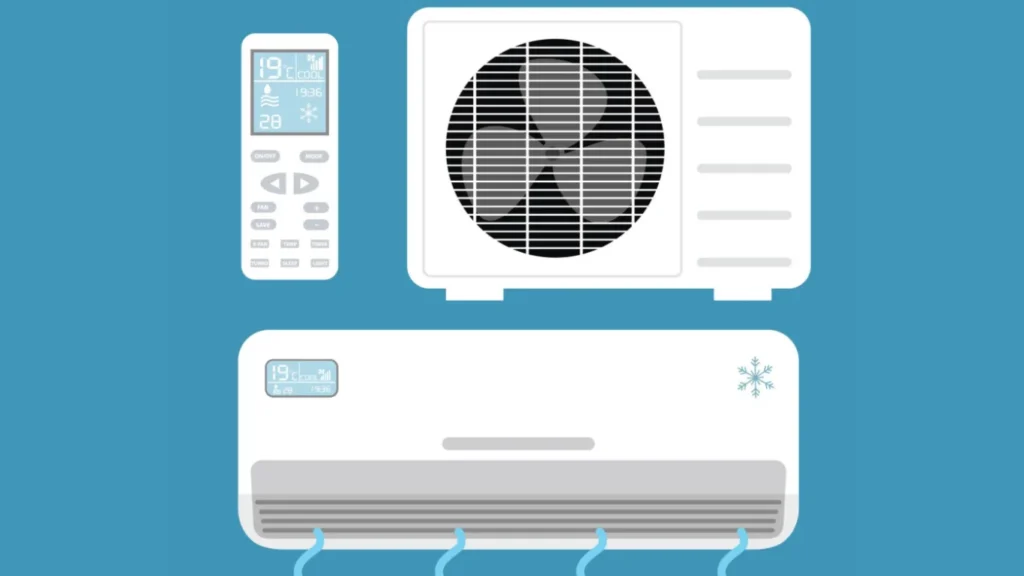
Refrigerant is also important for your AC’s ability to extract heat from indoors. Refrigerant level decreases, and the cooling performance decreases significantly, even when the system is continuously operating.
Warm or slightly cool air at the vents is one of the indicators of low refrigerant, even after long usage. Ice on refrigerant lines or inside the coil is also another indicator. Such symptoms indicate that the system is unable to absorb heat. Refrigerant is not a resource that is used up, and thus, low concentrations usually signify a leak.
Since working with refrigerants requires specialized equipment and adherence to safety regulations, an experienced specialist should address this issue. Overlooking the issue of refrigerants may harm the compressor, resulting in expensive repairs. Timely system detection secures the system and repairs effective cooling before bigger problems arise.
4. Electrical Parts and Unusual Noises
Electrical problems may either make an AC unreliable in use or lead to its unexpected shutdown. With time, interconnections slacken, components wear, and electrical components become burnt and damaged by heat and usage. Listen to any abnormal sounds, e.g., buzzing, clicking, rattling.
Such noises tend to point to faulty capacitors, loose wiring, or faulty relays. Should the system have trouble starting or shutting down, and then coming back on, it could be electrical. Always make sure that you switch off the power before inspecting anything. Look at tripped breakers or evidence of wear around accessible panels.
A visual inspection can be used, but a more thorough electrical inspection must always be left to a professional. Early correction of electrical issues aids in a steady operation and minimizes the chances of failure of the system without prior warning.
5. Drain Blockages and Water Accumulation
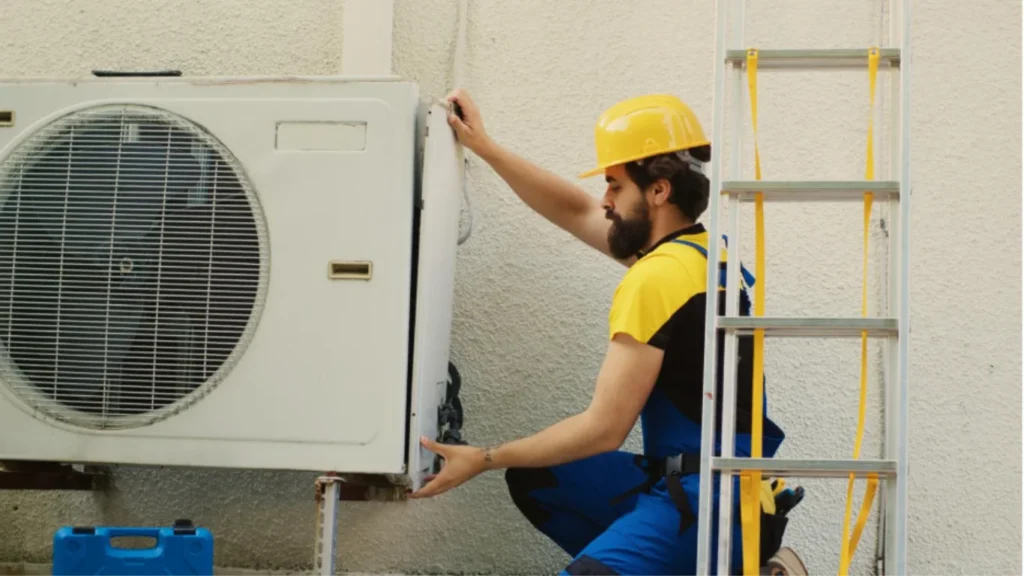
As your AC cools the air, it also removes humidity, producing condensation that drains away through a designated line. When this drain becomes clogged, water can back up and interfere with system performance.
Signs of a blockage include water pooling near the indoor unit, musty odors, or the system shutting down unexpectedly. In some cases, built-in safety switches stop the operation to prevent water damage. You can check the drain pan and visible sections of the line for standing water or debris. Light flushing can help clear minor buildup.
However, recurring moisture issues suggest deeper blockages or improper drainage design. Keeping the condensate system clear prevents water damage, protects indoor air quality, and supports reliable cooling throughout the season.
6. Heat Release and Outdoor Unit Condition
The outdoor unit plays a vital role in releasing heat from your home. When airflow around this unit is restricted, the entire cooling process becomes less effective. Inspect the area around the unit for leaves, dirt, grass clippings, or overgrown plants.
There should be clear space on all sides to allow proper air circulation. Dirty condenser coils can also trap heat, forcing the system to work harder. Gently cleaning debris and ensuring the unit sits level can improve performance.
Avoid placing objects nearby that may obstruct airflow or trap heat. A well-maintained outdoor unit allows heat to dissipate efficiently, reduces system strain, and helps your AC deliver steady cooling during peak temperatures.
Bringing it All Together
When an air conditioner stops working properly, the cause is often tied to a handful of common issues rather than sudden system failure. By checking airflow, thermostat accuracy, refrigerant behavior, electrical components, moisture drainage, and outdoor unit conditions, you gain clarity on what’s affecting performance.
Some problems can be resolved with simple adjustments or routine maintenance, while others require professional expertise to prevent long-term damage. Recognizing early warning signs allows you to act before comfort is compromised further.
A thoughtful, step-by-step approach not only restores cooling faster but also helps extend the lifespan of your AC system. Staying attentive to these key areas ensures more reliable operation and consistent indoor comfort when it matters most.