Water damage can strike at any moment, often leaving homeowners feeling helpless in the aftermath. Whether it’s the result of a burst pipe, heavy rainfall, or an unexpected leak, a swift and strategic response is critical for protecting your property and minimizing long-term consequences. Taking immediate action not only helps prevent further destruction but also lowers the risk of health hazards. For those seeking expert water damage restoration in Lehi, UT, following reliable restoration steps is the key to a successful recovery.
Equipping yourself with the right knowledge will empower you to tackle even severe water events. This practical guide breaks down the process into manageable steps, ensuring a safer and more effective home restoration. Prioritizing safety, effective cleanup, and professional oversight will make a significant difference in returning your living space to normal.
Restoration starts with addressing immediate dangers, then progresses through cleanup, drying, and repairs. While some cases can be resolved personally, widespread or persistent water issues often require professional expertise to avoid mold formation and structural deterioration. Acting quickly is crucial: the earlier you intervene, the less damage you’ll face down the road.
Ensure Safety First
Whenever entering a water-affected area, preliminary safety checks are vital. Turn off all electrical power and, if applicable, the gas supply to avoid electrocution or gas-related accidents. Wear waterproof gloves, boots, and an N95 mask to shield yourself from harmful pathogens, chemicals, and debris commonly present in floodwaters. Never enter areas with standing water unless you are certain that electricity is fully shut off. If you detect structural instability, vacate the premises and contact authorities for an official inspection before proceeding. The safety of you and your family should always take precedence over salvage efforts.
Stop the Water Source
Identify the source of the water and neutralize it as your next critical step. If a burst pipe is to blame, shut off your home’s main water valve immediately. When the cause is external flooding, block additional water from entering by using sandbags and sealing door or window cracks if possible. For overflows from appliances or plumbing fixtures, disconnect or unplug the devices to stop further leaks. Immediate remediation keeps the problem contained and eases cleanup later.
Remove Standing Water
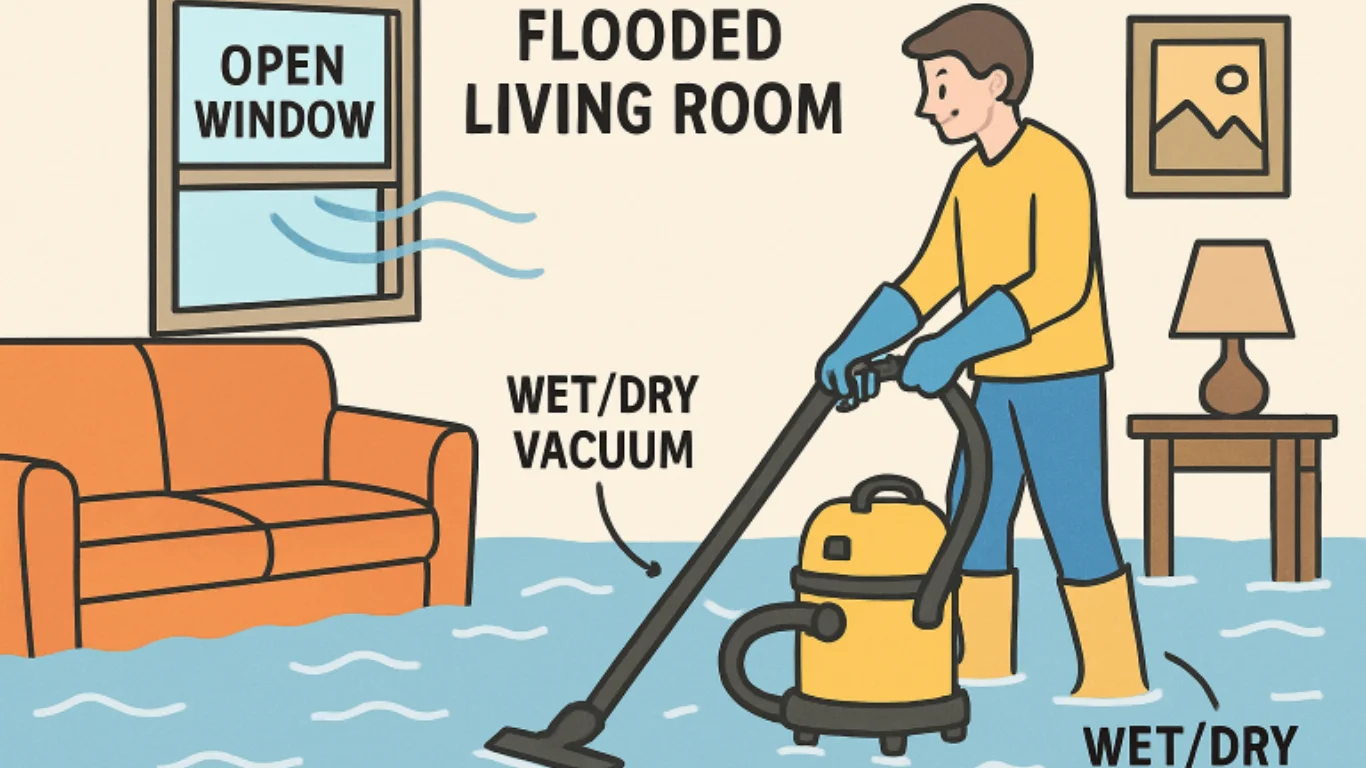
Standing water accelerates property deterioration and serves as a breeding ground for bacteria and mold. Use powerful wet/dry vacuums, portable sump pumps, or buckets to extract as much water as possible from affected spaces. For extensive flooding, it’s often effective to combine tools or seek equipment rental from local hardware suppliers. Carefully check basements, crawl spaces, and low-lying rooms for lingering pools. For smaller water incidents, absorbent towels or mops are sufficient, but large-scale flooding requires heavy-duty machinery to ensure thorough removal. Digital moisture meters can be invaluable for detecting hidden wet spots within walls or beneath flooring.
Dry and Dehumidify
Immediately after removing the water, set up industrial fans, dehumidifiers, and heaters to accelerate the drying process. Open windows and interior doors to promote airflow throughout rooms. Moisture left behind can seep into building materials, triggering wood rot and mold infestations that compromise home structure and air quality. For best results, run fans and dehumidifiers continuously for several days, checking for hidden dampness frequently. In colder climates or during winter, use space heaters to raise the air temperature and enhance evaporation rates. Maintaining a dry environment is your strongest defense against secondary damage.
Clean and Disinfect
Once the surfaces are dry, systematically clean and disinfect all affected areas. Floodwaters can harbor bacteria, viruses, and fungi that pose ongoing health threats. Apply EPA-approved disinfectants on hard surfaces, walls, and floors. Upholstery and carpets soaked by contaminated water generally need professional cleaning or, in severe cases, replacement. Pay extra attention to porous materials, which can retain odor and microbes even after drying. Deep-cleaning minimizes health risks and helps maintain your home’s livability.
Inspect for Mold
Mold thrives in damp, dark environments and can start growing within 24 to 48 hours of flooding. Vigilantly check baseboards, ceilings, hidden storage, and behind wallpaper for early mold colonies. Any visible mold, persistent musty odor, or unexplained health symptoms among residents should prompt immediate attention.
Repair and Restore
After cleanup, thoroughly inspect all structural elements and belongings to determine the necessary repairs. Replace waterlogged drywall, insulation, or flooring, and address any warping in wooden supports or trim. Salvage undamaged furniture and thoroughly clean affected items before reuse. Make any necessary upgrades to the plumbing or drainage system to prevent future incidents, and monitor your home for any delayed effects over the coming weeks.
Consult Professionals
While many water damage cases can be addressed with DIY efforts, major incidents require specialized expertise. Restoration companies offer advanced tools and experience to handle difficult extractions, extensive repairs, and hazardous material removal. They’ll also manage large-scale mold outbreaks and ensure that every aspect of the job meets health and safety regulations. Trusting professionals provides homeowners with peace of mind and ensures their property’s lasting resilience.
Final Thoughts
Restoring your home after water damage can be a challenging process, but with prompt action and the right strategy, you can safeguard your property and ensure your family’s well-being. Adhering to these steps will help you recover fully and prevent future water emergencies from causing lasting harm.