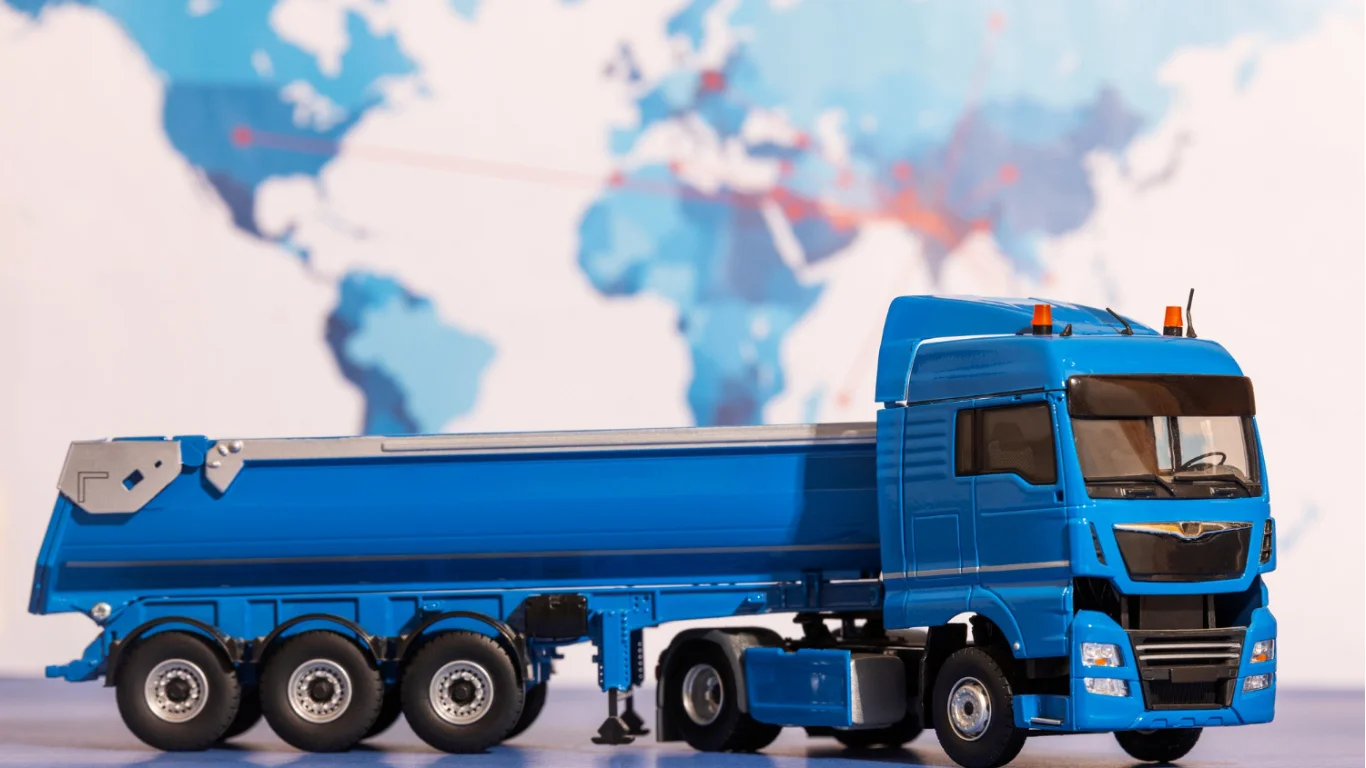
Water trucks serve way more purposes than most people realize. TTi water trucks are built for demanding applications where reliable water delivery makes the difference between getting work done efficiently or dealing with constant problems. These units typically range from 3,000 to 20,000 liter capacity depending on chassis size and application requirements. Construction industry studies show that proper dust suppression using water trucks can reduce airborne particulate matter by up to 86%, which isn’t just about comfort but also about meeting environmental regulations and protecting worker health on active sites.
Dust Control on Construction and Mining Sites
Keeping dust down matters for multiple reasons. You’ve got visibility and safety concerns when heavy equipment operators can’t see properly. There’s the health angle since silica dust and other fine particles cause serious respiratory problems with long-term exposure. Then there’s regulatory compliance because environmental protection agencies set limits on fugitive dust emissions.
Water trucks handle this by applying controlled amounts of water to roads, stockpiles, and work areas. The spray bars on TTi units typically cover 6 to 12 meters width, allowing efficient coverage without excessive water use. Flow rates adjust based on conditions, with most systems delivering between 50 and 200 liters per minute across the spray bar. Research from mining operations indicates that systematic water truck dust suppression reduces complaints from neighboring properties by roughly 67% and helps sites maintain their operating permits.
Compaction Support for Earthworks Projects
Getting proper soil compaction during road building, pad construction, or earthmoving requires the right moisture content. Too dry and you can’t achieve density targets no matter how many passes the roller makes. Water trucks provide precise moisture addition, working alongside compaction equipment to bring soil to optimal conditions.
The key here is even distribution and controlled application rates. Overwatering creates mud that can’t be compacted properly and delays the project. Professional operators use the truck’s flow controls and driving speed to match water application with soil conditions and compactor capacity. Civil engineering data shows that projects using dedicated water trucks for compaction support typically meet density specifications 92% faster than those relying on less precise watering methods.
Fire Prevention and Suppression in Remote Areas
Rural operations and forestry sites use water trucks as mobile fire response units. In areas without hydrant access, having several thousand liters of water on wheels provides immediate firefighting capability. TTi trucks often include auxiliary pumps and hose reels that allow them to function beyond just transport, actually delivering water under pressure for initial attack on vegetation fires.
During high fire danger periods, water trucks patrol logging operations, mining sites, and large rural properties, wetting down high-risk areas and providing rapid response if spot fires start. Australian fire management research indicates that mobile water assets reduce small fire escalation by approximately 74% when positioned appropriately, essentially catching problems before they become emergencies.
Agricultural Water Delivery and Stock Management
On farms and stations, water trucks handle temporary water needs that permanent infrastructure can’t cover. This includes filling livestock troughs in remote paddocks, providing water for young plantings during establishment, and supporting irrigation system maintenance when sections need to be isolated.
The flexibility matters because rural water needs change with seasons, stocking rates, and drought conditions. A water truck lets you respond to these changing demands without installing expensive permanent pipework to areas that might only need water occasionally. Station management data shows that properties using water trucks for flexible stock water delivery can maintain 18-24% higher stocking rates on marginal country compared to those limited by fixed water point locations.