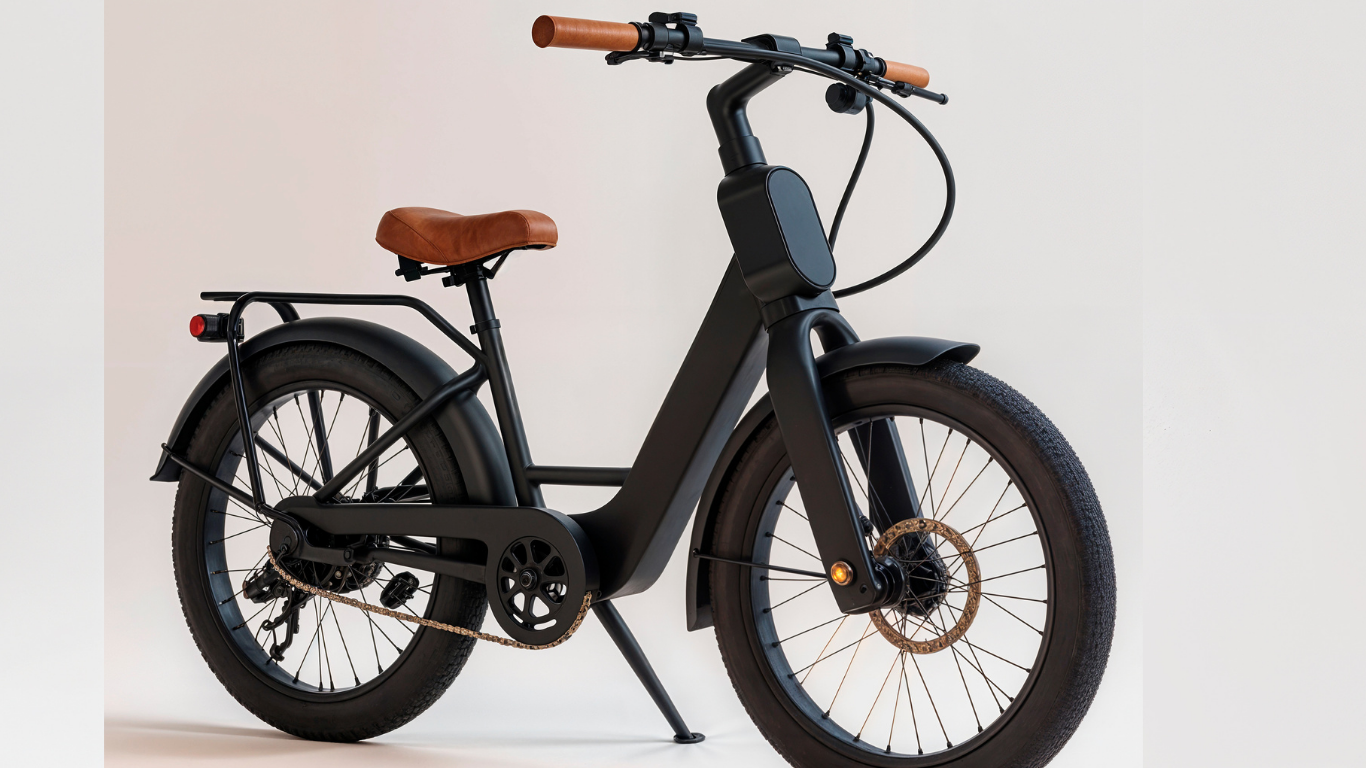
Commuting in the city can be stressful, crowded, and time-consuming, but a foldable electric bike can change the way you get around. Compact, lightweight, and easy to store, these bikes combine the convenience of portability with the power of an electric motor, making daily commutes faster and less tiring. Whether you’re navigating traffic, hopping on public transit, or storing your bike at the office, a foldable e-bike adapts to your lifestyle. In this article, we’ll explore why foldable electric bikes are becoming the go-to choice for urban commuters and how they can make your city rides smoother and more enjoyable.
Problems Folding Electric Bikes Solve for Urban Riders
Traffic congestion stops controlling your life. Bikes give you access to dedicated pathways and routes cars can only dream about. Translation? You show up when you planned to—not ten minutes late mumbling apologies about construction delays.The parking struggle evaporates entirely. Your folding electric bike compresses down and follows you inside—office, apartment, coffee shop, wherever. No circling blocks. No feeding meters. Zero stress. And theft? Dramatically reduced when your ride sits beside your laptop instead of locked to some sketchy post where bolt cutters work unnoticed.Last-mile connections are transit’s Achilles heel. You exit the subway and suddenly need an overpriced Uber or a sweaty fifteen-minute walk in business shoes. A folding e-bike bridges that gap beautifully, eliminating rideshare expenses and turning your commute into true door-to-door service. Plus, pedal assist ensures you arrive fresh—hills included.
Real Situations Where Compact Design Wins
Apartment living means navigating staircases, cramped elevators, and tight corridors. Traditional bikes transform this into combat. Folding versions compress enough to maneuver without scraping paint or irritating neighbors, and they disappear into closets where conventional bikes would laugh at you for trying.
Workplace dynamics improve significantly. Store your bike beneath your workstation or wheel it between conference rooms without requiring dedicated bike infrastructure. This adaptability means you’re not dependent on one location or questionable outdoor racks.
Combined-mode transit is where folding truly dominates. Pedal to the station, collapse in thirty seconds flat, board effortlessly, then complete the final leg. For Canadians looking for versatile options, folding electric bikes offer practical designs built for mixed-mode commutes. It flows naturally, and transit authorities permit folded bikes when full-size models get banned outright.
What Matters About Foldable E-Bikes in Crowded Cities
Space savings hit you immediately. Most folding e-bikes shrink to roughly 30 x 30 x 15 inches—compact enough to nestle beside furniture or beneath kitchen counters. When you’re paying premium rent per square foot, this matters enormously.
Time gains compound quickly. You’ll outpace automobiles in gridlock, bypass parking searches entirely, and avoid lengthy treks from remote lots. Your door-to-door timing drops substantially, particularly during peak hours when traffic crawls.
Financial benefits are tangible. Across twelve months, you’re replacing car loans, insurance premiums, fuel costs, and downtown parking rates with essentially electricity charges and basic maintenance. Transit passes aren’t cheap either; a folding e-bike typically recoups its cost within two years of consistent use.
“Bring-It-Inside” Advantage as Your Best Theft Defense
Taking the bike indoors beats every lock ever made. You’re not rolling dice on whether someone will attack your chain or strip parts. It’s inside. Protected. End of story. When outdoor locking is unavoidable—quick café stops, for instance—combine a U-lock with secondary cable protection, and always choose high-traffic, well-lit locations.
Quick indoor checklist: clean muddy tires before entering communal areas, keep a small mat for floor protection, and maintain clear pathways so you’re not obstructing emergency exits or frustrating neighbors.Workplace strategies include measuring your desk clearance beforehand, using subtle wall mounting if your employer permits, or acquiring a slim stand that keeps the bike vertical without consuming precious floor real estate.
Indoor security protects against thieves, but daily commuting requires defense against rain, debris, and visibility challenges too.
Weather Protection Most People Miss
Full fenders prevent road spray from ruining your outfit and keep mechanical components cleaner. Chain guards or belt-drive systems stop grease from marking your work pants—critical if you’re commuting professionally dressed. Waterproof bags let you transport electronics or meals without panicking about surprise storms.
Your visibility setup should incorporate daytime running lights—not merely nighttime ones—plus reflective tire sidewalls. Drivers must spot you in the bright afternoon sun exactly like they do at twilight.
Wet-weather riding techniques change fundamentals. Damp brakes require extra stopping distance, so begin slowing sooner. Decrease tire pressure marginally for improved traction, but not enough to risk pinch flats from potholes.With these practical elements addressed, you’re prepared to select your actual bike—here’s how to align features with your specific commute requirements.
Choosing Your Folding Electric Bike: Essential Features
Your selection process should account for distance, elevation changes, storage constraints, and local transit regulations. A flat five-mile commute involving stairs demands different specifications than a hilly ten-mile route with garage access.Before examining motors and batteries, start with the component you’ll operate twice daily: the folding mechanism itself.
Folding System Reliability
Seek two-step mechanisms when possible—they’re faster and less complicated than multi-stage systems. Aim for under sixty seconds total fold time. Verify that latches include backup safety mechanisms and anti-wobble engineering; loose joints become aggravating fast and eventually fail.
Post-fold portability matters equally. Magnets or retention clips maintain the folded package, and certain models feature trolley modes letting you roll it like luggage rather than constantly lifting.A quick, dependable fold means nothing if you cannot physically haul the bike up apartment stairs or onto packed trains.
Balancing Weight Against Portability
Realistic weight expectations for urban stairs and transit cluster around 40–50 pounds. Lighter always wins, but don’t sacrifice battery power unless your journey is brief. In the U.S., injuries from electric bike accidents rose from 751 in 2017 to 23,493 in 2022 , so stability and handling matter—don’t go so featherweight that control suffers.Grip positioning and center-of-gravity make enormous differences. Physically lift the bike in-store and walk with it; awkward handle locations will plague you constantly.
Power, Distance, and Charging for Work Schedules
Calculate range using actual urban conditions: constant stops consume more energy, headwinds accelerate drainage, and cold weather slashes capacity by 20% or beyond. Short commutes (under 10 miles total) work with 250–350 Wh batteries. Medium distances (10–20 miles) require 400–500 Wh. Extended rides demand 500+ Wh.
Removable batteries aren’t optional. You can charge at your workspace, eliminate theft by removing it, and store indoors during winter for longevity. Charging duration varies; most require 3–5 hours. A “partial charge” approach—plugging in briefly at lunch—extends range for multi-day usage without complete depletion.
Wrapping Up Your Urban E-Bike Decision
City commuting shouldn’t feel like a daily battle against traffic snarls, parking meters, and bike thieves. A folding electric bike eliminates those frustrations with concrete, trackable advantages: reliable arrival times, bring-anywhere theft prevention, complete door-to-door service, and substantial savings versus cars or rideshares. You’ve got your blueprint now—align your commute with appropriate specifications, emphasize portability and safety features, and absolutely don’t overlook weather-readiness modifications. The real bonus? You might actually start looking forward to your commute.