Most homeowners tend to neglect their heating systems when they begin to show minor signs of trouble and hope that the problem correct itself. This delay can always appear harmless initially, particularly when the system is still producing some warmth. Nonetheless, delaying the needed repairs may silently increase the expenses, reduce comfort, and lead to sudden failures.
Heating systems are not simple machines, and even small failures can interfere with the performance of the whole system when not acted upon. Over time, what starts out as a basic repair may end up being a high cost.
Understanding the effect of delays on efficiency, safety, and system longevity can enable the homeowner to make informed decisions. Early resolution of heating issues not only saves your pocket money but also ensures that you stay warm throughout the winter seasons.
The following reasons clarify why it is always cheaper and more responsible to do something immediately.
1. Early Issues Escalate into Major Repairs
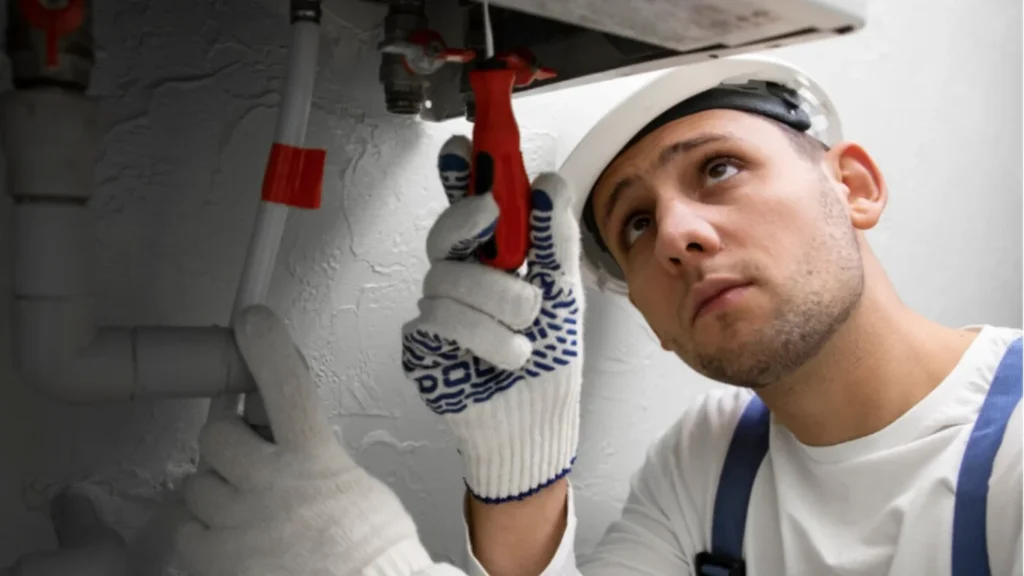
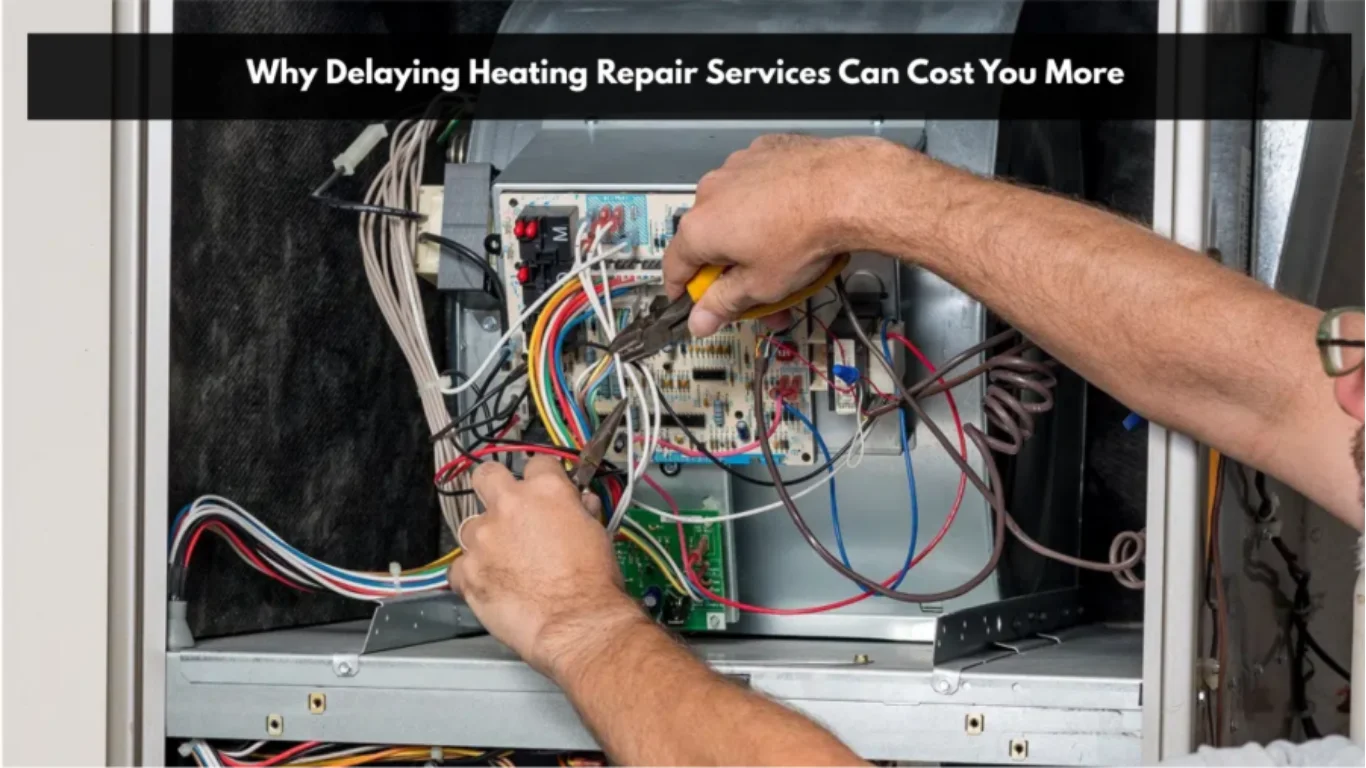
Minor heating issues can hardly stay minor. A loose part, a dirty filter, or a small electrical problem will slowly have an impact on other components of the system. By disregarding these early warning signs, the system works under stress, further wearing down important components.
Over time, this stress of unresolved problems tends to cause failures that need considerable amounts of manpower and costly spare parts. Timely heating repair services, on the other hand, are aimed at detecting and repairing issues before they propagate, keeping maintenance costs low, and preventing unforeseen failures.
Additionally, initial fixes tend to be less complex and require less time to be done. In doing so, the homeowners can save the inconvenience and financial cost of extensive system damage and downtime.
2. Higher Utility Bills from Inefficient Heating
An inefficient heating system tends to use more energy than is required. The system finds it hard to maintain the desired temperature when the parts are worn or malfunctioning. Consequently, it consumes more fuel or electricity and has extended cycles.
In the long run, this wastage is evident in monthly utility bills. Even a slight performance drop can result in significant energy expenses, particularly in the wintertime. Postponing repairs results in higher costs and reduced comfort.
Moreover, inefficiency is an additional burden on the system that can cause further damage. By fixing problems when they occur, you can restore the correct functioning, reduce energy waste, and maintain heating costs under control.
3. Reduced System Lifespan and Premature Replacement
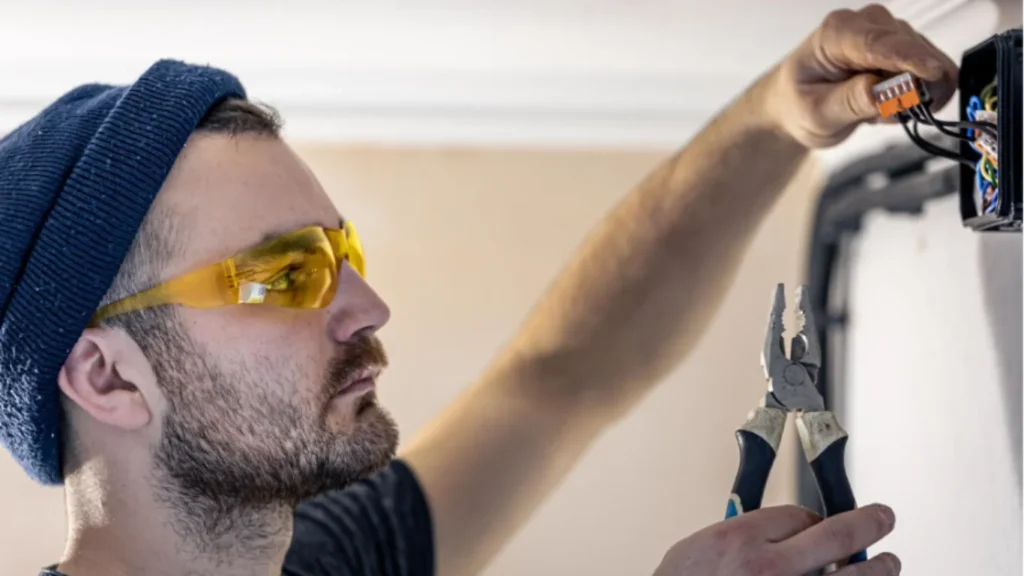
All heating systems are made to last a certain number of years under normal operating conditions. Nevertheless, their lifespan can be dramatically decreased by their unresolved issues. As components work harder to cover up faults, the system’s health deteriorates at a rapid rate.
Consequently, the more the damage, the less reliable the system becomes and the more easily it breaks down. Eventually, it might become impossible to repair, and the only alternative is to replace it. This usually happens several years before the scheduled time in case of delayed maintenance.
In addition to this, the cost of replacing a heating system is high. Routine maintenance and repairs can be done to maintain the integrity of the system, which can enable you to enjoy the equipment to the maximum without incurring the cost of replacement.
4. Safety Risks and Indoor Air Quality Concerns
The heating systems are essential in keeping the indoor environment safe. In case of the delayed repair, there can be increased safety risks without obvious indicators. Incorrect combustion, gas leakages, or electric risks can be caused by faulty components.
Besides the physical safety issues, the delayed repairs may have an adverse impact on indoor air quality. Dust, debris, and byproducts of combustion can spread around the house, thus causing breathing inconvenience and worsening allergies.
Thus, timely resolution of heating problems contributes to the safe and clean operation of the system. Periodic maintenance minimizes risk to health, safeguards people, and ensures a sense of security throughout the heating season.
5. Emergency Service Fees and Seasonal Delays
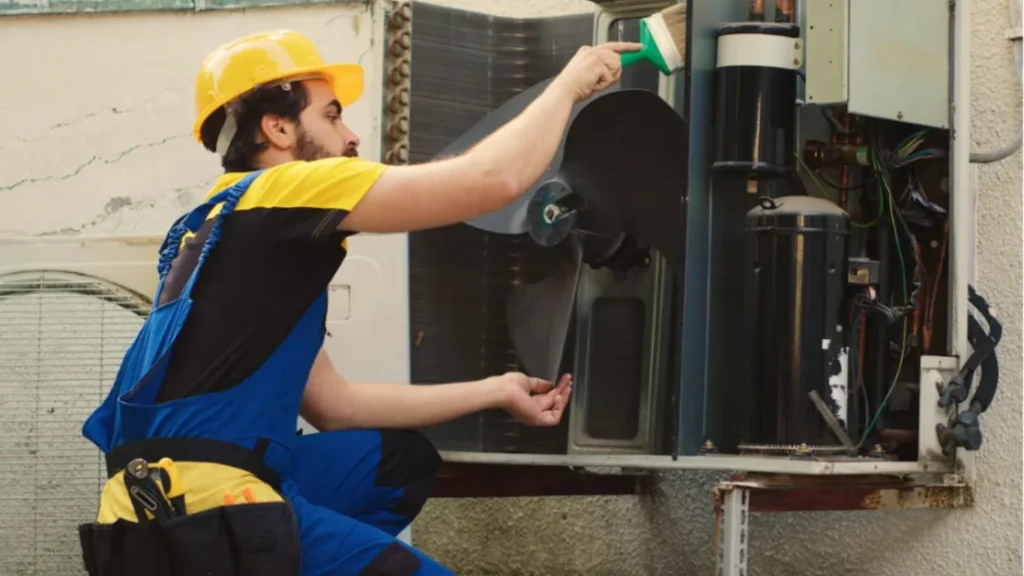
Delaying the process of fixing heating issues usually leads to failure at the worst possible time. When systems fail in very cold weather, emergency service is required. Emergency repair is generally considered to be more expensive because of urgent scheduling and working out of hours.
Moreover, heating workers have the busiest periods during peak winter seasons. Delays in action may imply longer waiting lines, reduced availability, and extra inconvenience during waiting to be attended to. Such inconvenience may interfere with everyday life and comfort at home.
That said, by repairing the house immediately when the trouble appears, you save on emergency costs and seasonal delays. Planned service is usually cheaper, quicker, and much less stressful than last-minute repairs when items are in high demand.
Conclusion
Taking prompt action when a heating system shows signs of trouble is a practical way to protect comfort and household budgets. Timely attention helps maintain stable indoor temperatures and avoids unnecessary disruptions during colder periods.
A well-maintained system operates more smoothly, offering consistent performance and greater peace of mind for homeowners. By staying attentive and responding early, long-term reliability becomes easier to achieve.
Proactive care also supports a healthier indoor environment and reduces uncertainty during the winter months. Ultimately, addressing heating concerns without delay is a smart approach to ensuring lasting comfort, efficiency, and dependable operation throughout the season.