Winter storms bring beauty, but they also bring an enormous amount of stress to the home. Snow, ice, freezing temperatures, and strong winds work together to challenge even the strongest structures. While homeowners often prepare for winter by insulating pipes or checking heating systems, many underestimate the toll winter weather takes on rooftops, siding, foundations, and more. Understanding how winter storms affect a home empowers homeowners to prepare effectively, respond quickly, and protect their property from long‑term damage.
How Heavy Snow Affects Structural Strength
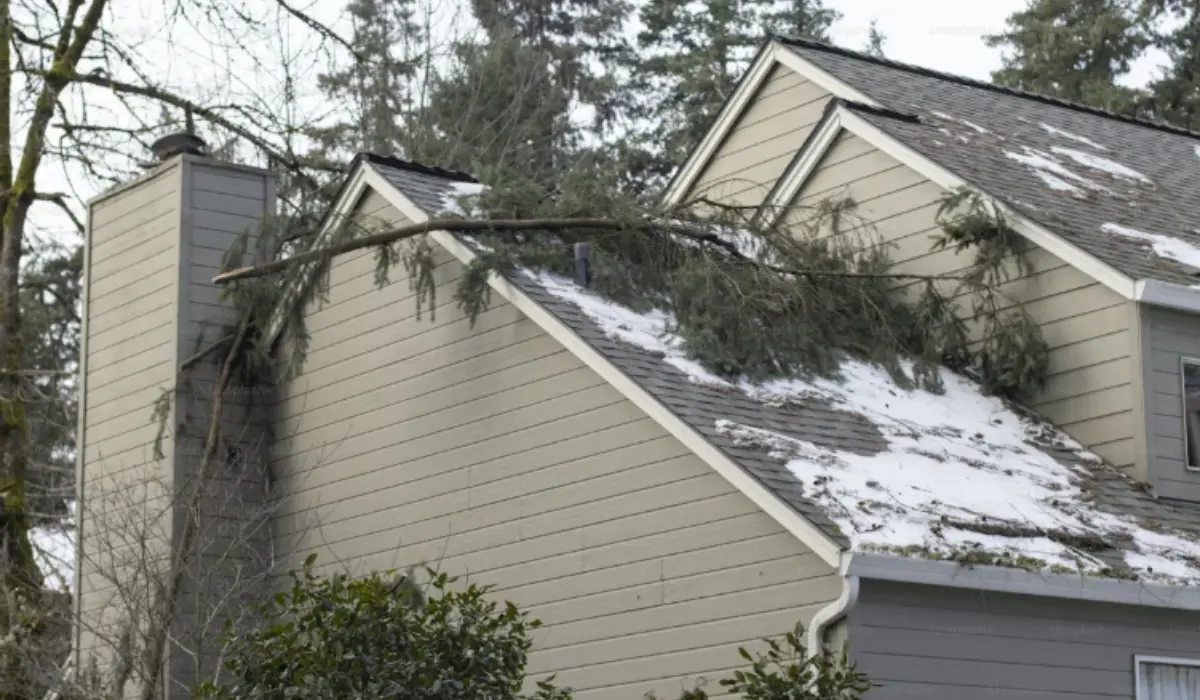
Snow may look soft, but when it accumulates on a roof, it becomes extremely heavy. Wet snow is especially burdensome, adding significant weight that roofing systems may not be designed to carry. Overloaded roofs can experience sagging, stress fractures, and moisture seepage. While modern roofs are built to withstand seasonal conditions, years of aging, weakened materials, or preexisting damage can make them vulnerable. When a roof becomes compromised from snow load, homeowners may face costly repairs or even need full roof replacement if structural components become unsafe.
Ice Dams and Their Hidden Damage
Ice dams form when heat from inside the home melts snow on the roof, causing it to refreeze at the edges. These frozen ridges trap water behind them. As the trapped water seeks escape, it often moves beneath shingles, seeps into the attic, and infiltrates insulation. Many homeowners do not notice ice dam damage until spring arrives and stains appear on ceilings or walls. Ice dams can cause significant structural and water damage if not addressed early. Preventive strategies such as improved insulation and attic ventilation reduce the temperature differences that lead to ice formation.
Strong Winds and Exterior Vulnerabilities
Winter storms often come with powerful gusts that pull at shingles, gutters, and siding. Loose shingles become entry points for moisture, while damaged gutters overflow and direct melting snow toward the foundation. Wind can also blow debris against the home, cracking siding or damaging windows. After each storm, a quick visual inspection helps identify wind‑related issues early, preventing minor problems from escalating into major repairs.
Freezing Temperatures and the Risk of Moisture Expansion
Winter’s freeze‑thaw cycle is one of the biggest threats to home materials. Moisture enters small cracks during warmer daylight hours, then freezes overnight, expanding and widening the damage. Over time, this repeated cycle can affect roofing shingles, chimneys, siding, and concrete surfaces. Chimneys are especially vulnerable because they often absorb moisture that expands inside brick and mortar joints. Catching deterioration early prevents extensive repairs.
Gutters, Downspouts, and Drainage Challenges
Gutters play an essential role in winter by directing melting snow away from the home. When they become clogged with ice or debris, water can spill over and pool near the foundation. This increases the risk of basement leaks, foundation erosion, and landscape damage. Homes with poor drainage experience the greatest impact, especially when repeated freeze‑thaw cycles cause soil movement around the foundation.
Windows, Doors, and Heat Loss
Winter storms test the energy efficiency of windows and doors. Drafts, loose seals, and aging frames allow warm air to escape and cold air to enter. This increases heating costs and strains HVAC systems. Replacing weatherstripping, sealing gaps, and inspecting window frames each year helps maintain indoor comfort and reduce energy waste during harsh weather.
Preparing and Responding Proactively
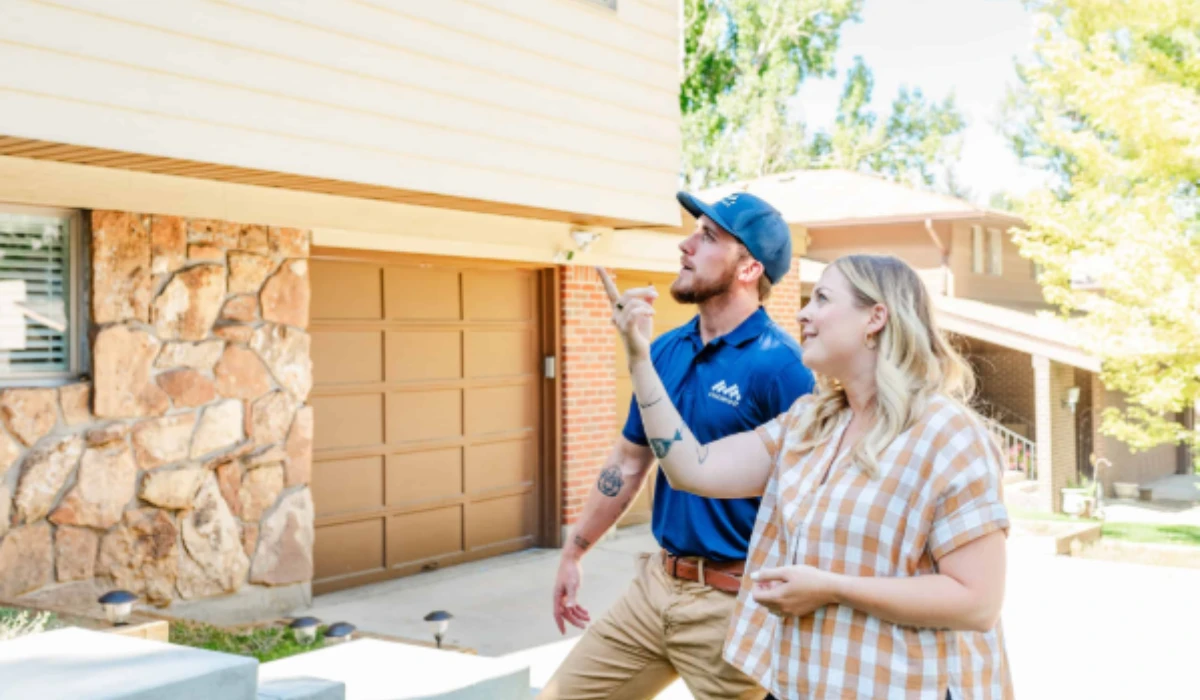
Before winter arrives, homeowners benefit from preventive steps such as roof inspections, gutter cleaning, trimming tree branches, and sealing exterior gaps. After storms, checking the attic for moisture, examining ceilings for stains, and evaluating exterior surfaces helps catch damage early. Being proactive reduces long term costs and preserves the value of the home.
Conclusion
Winter storms impact every part of a home, from the roof to the foundation. Awareness and maintenance are the strongest defenses against snow load, ice dams, strong winds, and freeze‑thaw cycles. When damage is significant, especially on older roofing systems, roof replacement may become the best long term solution. By preparing before the season and inspecting after each storm, homeowners protect their investment, maintain safety, and reduce costly repairs.