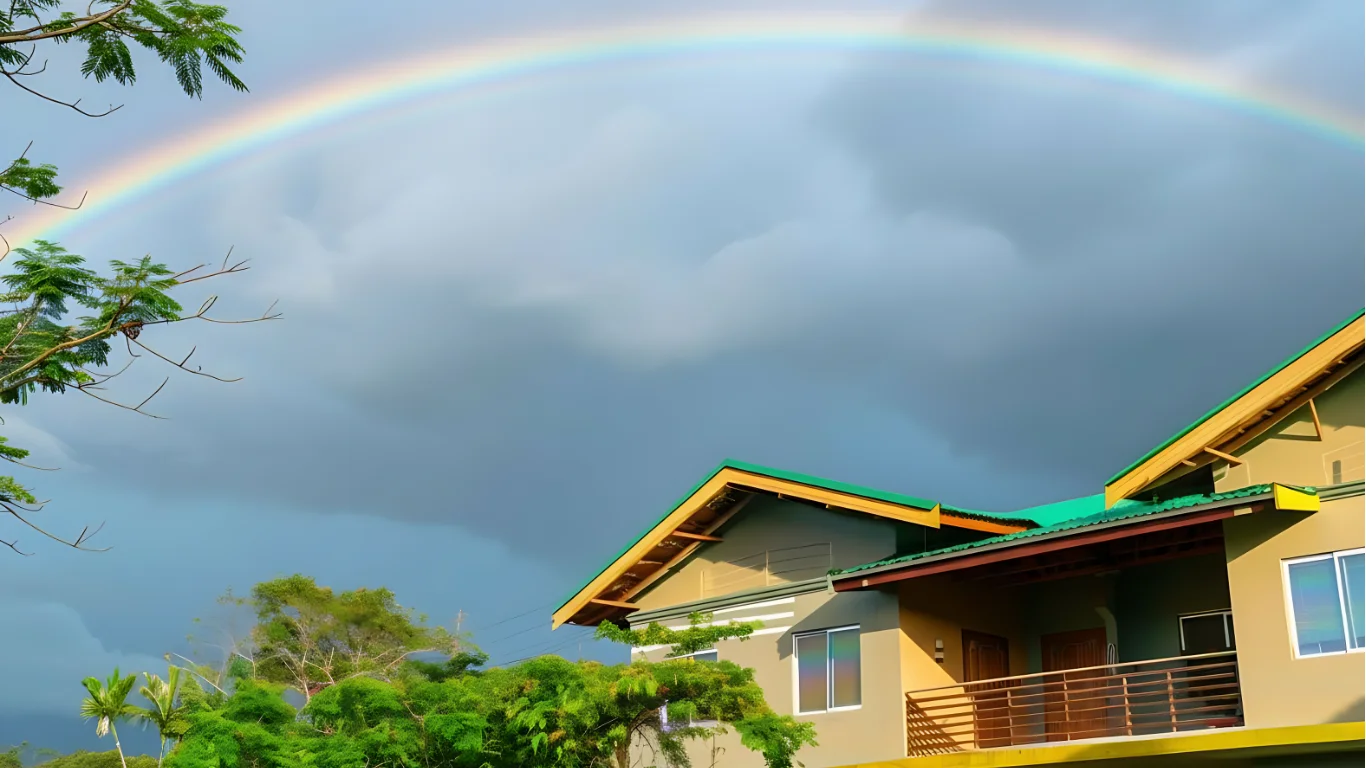
Your roof is one of the most important parts of your home. It protects you from the elements, keeps your family safe, and helps maintain the structural integrity of your property. In Australia, where weather conditions can vary widely, understanding how the climate affects your roof is essential. By knowing the risks and taking preventative measures, you can extend the lifespan of your roof and avoid costly repairs.
The Effects of Sun and Heat
Australia experiences high levels of sunlight, which can cause long term damage to roofing materials. Prolonged exposure to ultraviolet radiation can lead to fading, cracking, and general deterioration of tiles, metal sheets, and other roofing materials.
Heat can also cause materials to expand, potentially loosening tiles or creating small gaps in joints and seams. Over time, these gaps can allow water to penetrate and cause further damage.
How to Protect Your Roof from Sun Damage
One way to minimise sun related damage is to select roofing materials designed to withstand high temperatures and ultraviolet exposure. Regular inspections can identify areas that may be weakening due to heat. Applying reflective coatings or specialised sealants can also help protect roofing surfaces and reduce the impact of extreme heat.
Rain and Water Damage
Heavy rainfall is a common cause of roof problems across Australia. Water can seep into cracks, broken tiles, or poorly sealed joints, leading to leaks and structural damage. Blocked gutters and downpipes can exacerbate the problem by causing water to pool on the roof or around the foundation of your home.
Preventing Rain Damage
Regular maintenance is key to preventing water related damage. Inspect your roof for broken or missing tiles, rust on metal surfaces, and deteriorated flashing. Cleaning gutters and downpipes ensures water is efficiently diverted away from your home. In some cases, professional roof inspections can identify potential problems before they become serious.
Wind and Storm Impact
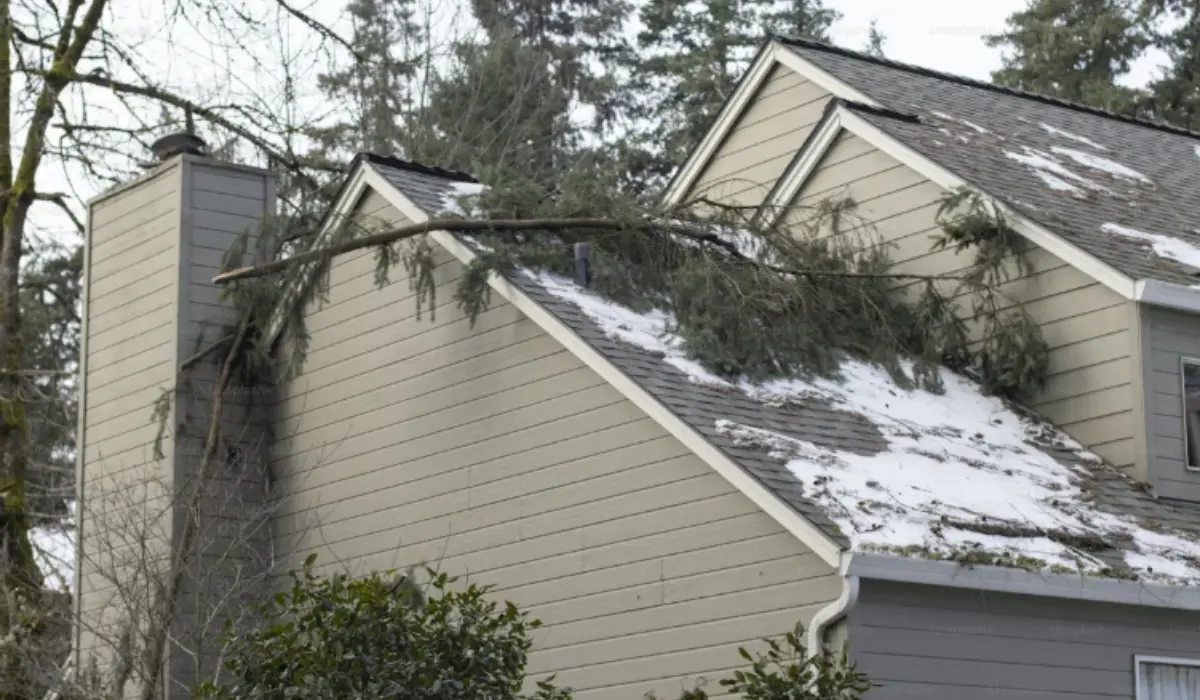
Strong winds and storms pose a significant risk to roofs. High winds can lift tiles, damage flashing, and even loosen entire sections of roofing. Falling branches or debris can puncture or dent roofing materials. Coastal regions are particularly vulnerable to wind damage during storms or cyclones.
Minimising Wind Damage
To reduce the impact of wind, ensure that your roof is securely fixed and that all tiles and panels are in good condition. Trim overhanging branches that could fall during storms. After severe weather, inspect your roof carefully and repair any damage promptly to prevent further issues.
Temperature Fluctuations
Temperature changes can cause roofing materials to expand and contract. Over time, this movement can weaken joints, create small gaps, and contribute to cracks in tiles or metal sheets. Areas with large day and night temperature differences or seasonal extremes are particularly susceptible.
Protecting Your Roof from Thermal Movement
High quality materials and proper installation are the best ways to reduce the impact of temperature fluctuations. Roofing systems with adequate expansion joints can accommodate movement without causing damage. Regular inspections can help detect early signs of stress caused by temperature changes.
Snow and Frost in Some Regions
Although less common in most parts of Australia, snow and frost can occur in alpine and high altitude areas. Ice can form on roofing materials, creating weight and potentially causing leaks as it melts. Freeze and thaw cycles can also damage tiles and joints.
Coping with Snow and Frost
For homes in areas prone to snow, it is important to ensure your roof can support the additional weight. Clear excess snow carefully to prevent ice buildup. Roofs should be inspected before winter to address any existing vulnerabilities.
Preventative Maintenance Tips
Regular roof maintenance is essential to protect against weather related damage. Some key steps include:
- Annual Inspections: Check for broken tiles, rust, or signs of wear at least once a year.
- Gutter Cleaning: Ensure gutters and downpipes are clear to allow proper water drainage.
- Trimming Trees: Remove overhanging branches that could fall on your roof during storms.
- Checking Flashing and Sealants: Ensure that joints around chimneys, vents, and skylights are intact.
- Professional Assessments: Consider hiring a roofing professional for a thorough inspection and advice.
When to Repair or Replace Your Roof
Not all damage requires a full roof replacement. Small leaks, a few broken tiles, or minor rust spots can often be repaired at a fraction of the cost. However, if your roof shows widespread damage, has reached the end of its expected lifespan, or has significant structural issues, replacement may be the more cost effective option.
Promptly addressing minor problems can prevent more serious issues and save money in the long term. Regular inspections and maintenance are key to identifying these issues early.
Choosing the Right Roofing Materials
The choice of roofing materials can influence how well your roof withstands different weather conditions. Metal roofs are durable, lightweight, and handle rain and wind well, while tiles provide strong insulation and resist heat. Consider your local climate when selecting materials to ensure longevity and performance.
Conclusion
Weather is one of the most significant factors affecting the lifespan and performance of your roof. Sun, rain, wind, temperature fluctuations, and in some regions, frost, all contribute to wear and tear over time. Understanding these impacts allows homeowners to take preventative measures, schedule regular maintenance, and make informed decisions about repairs or replacement.
By inspecting your roof regularly, maintaining gutters, using appropriate materials, and addressing damage promptly, you can protect your home from the elements and extend the life of your roof. A proactive approach ensures your roof continues to perform its vital role in safeguarding your property and family.