When the skies start turning grey, and the forecast calls for weeks of steady downpours, most homeowners don’t think twice about what that water is doing to their property. But the truth is, the rainy season can quietly cause thousands of dollars in damage if a house isn’t properly prepared. From saturated foundations to overflowing drainage systems, the risks are real, and they’re avoidable. The key is getting ahead of the weather instead of reacting to it after the damage is already done.
Preparing for the rainy season isn’t about doing one big thing. It’s about a handful of smaller tasks that work together to keep water where it belongs: away from your home. Here’s what every homeowner should have on their checklist before the first heavy storm rolls in.
Keeping Your Gutters Clean and Functional
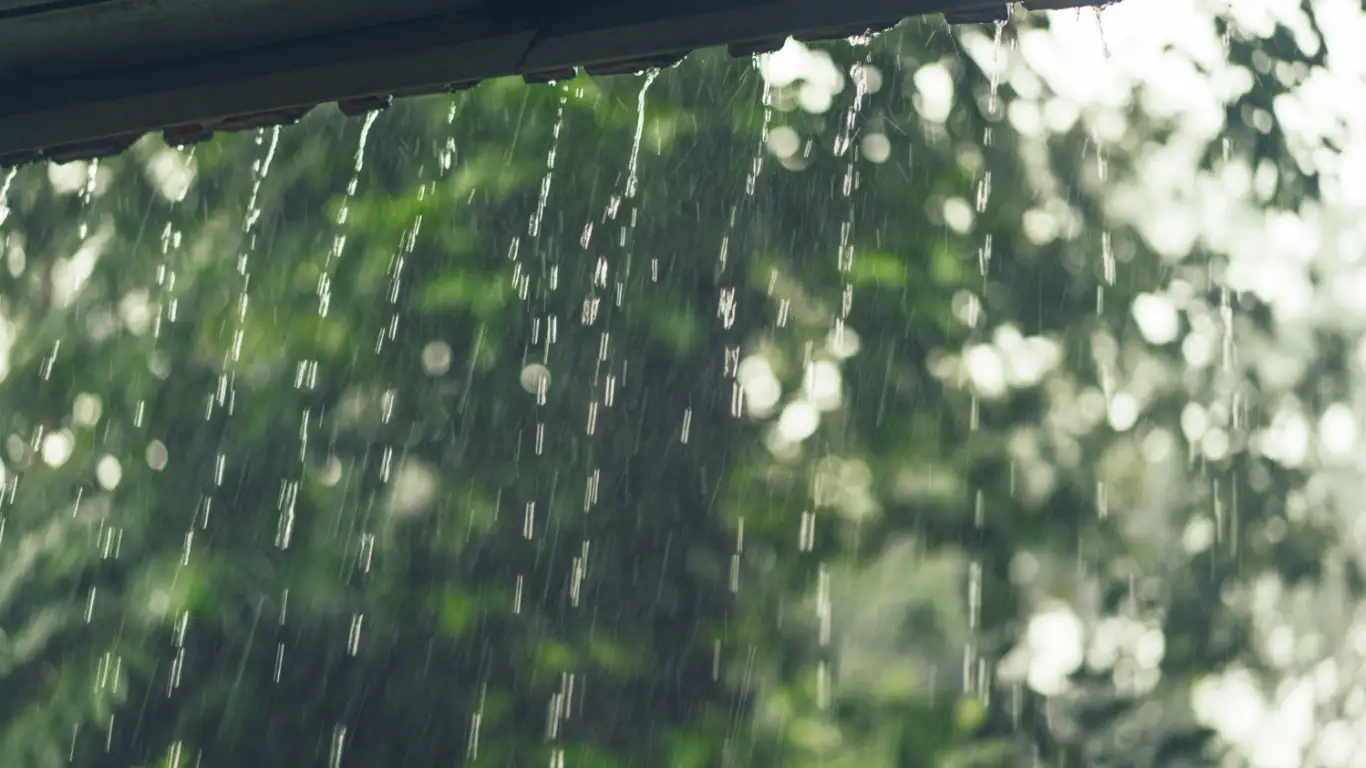
This might sound basic, but gutters are the single most overlooked part of rainy season prep. Their entire job is to collect rainwater from the roof and channel it away from the foundation. When they’re clogged with leaves, twigs, or built-up grime, that water has nowhere to go. It spills over the sides, pools near the base of the house, and eventually finds its way into basements, crawl spaces, or the soil around the foundation.
Before the rainy season hits, walk around your home and inspect every section of guttering. Look for sagging, visible blockages, or spots where water has stained the exterior walls. Those stains are a clear sign that water has been overflowing in previous storms. If you notice cracks, loose joints, or sections pulling away from the roofline, get in touch with a local gutter repair service to handle those issues before they get worse. Moreover, downspouts should also be checked to make sure they’re directing water at least a few feet away from the foundation. If they’re dumping water right at the base of the house, adding extensions can make a big difference.
Inspecting the Roof for Weak Spots
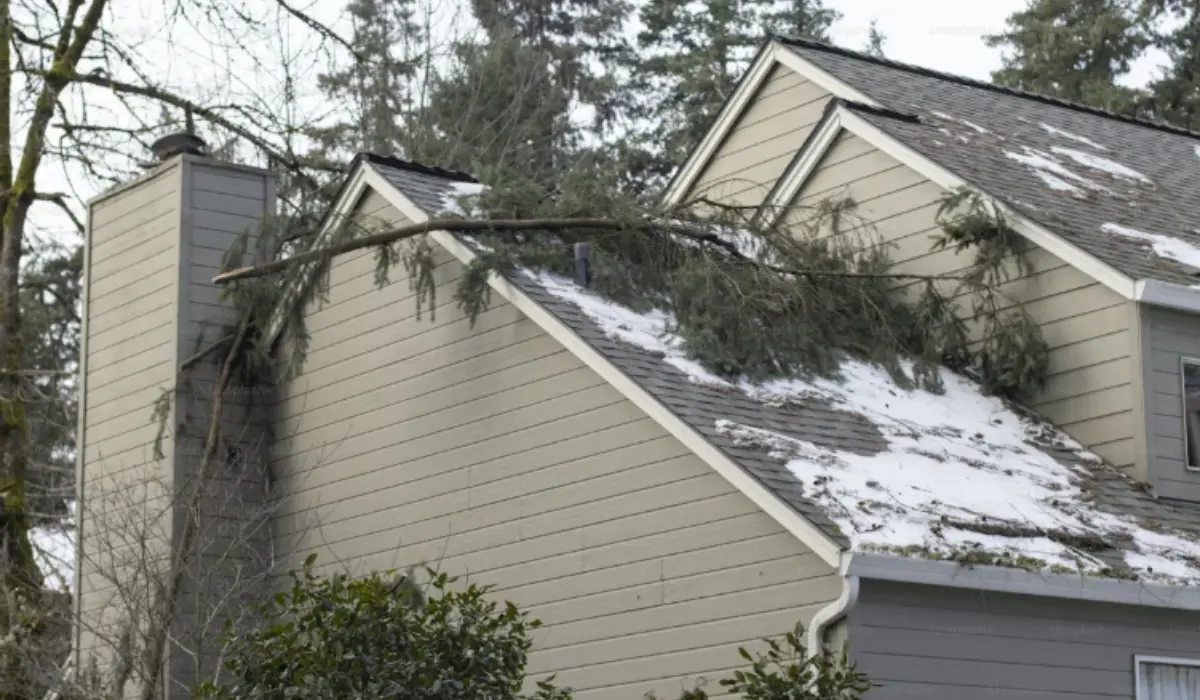
Your roof takes the full force of every storm, so it needs to be in good shape before the rain starts. Missing or cracked shingles, damaged flashing around vents and chimneys, and worn sealant around skylights are all common entry points for water. Even a small gap can let moisture seep into the attic, where it slowly rots the wood, promotes mold growth, and eventually affects the ceilings below.
A visual inspection from the ground with binoculars can catch some obvious problems, but a closer look is usually worth the effort. Pay special attention to valleys where two roof slopes meet, as these areas handle a heavy volume of water during storms. If anything looks questionable, having a professional take a look is always better than guessing. Catching a small roof issue now is far easier than dealing with interior water damage later.
Preparing Windows, Doors and Exterior Seals
Water doesn’t just come in through roofs and foundations. Windows and doors are surprisingly common entry points during heavy rain, especially if the caulking or weatherstripping has deteriorated over time. Run your fingers along the edges of window frames and door frames on the exterior of the house. If the caulking is cracked, peeling, or missing entirely, it’s time to reseal those areas.
Weatherstripping along the bottom of doors, particularly the front and back entries, should also be checked. If daylight is visible under a closed door, rain will find its way in, too. Replacing worn weatherstripping is a quick and simple task that makes a noticeable difference during storms.
Don’t forget about basement windows and any ground-level openings. These are especially vulnerable during heavy downpours when water levels rise quickly around the base of the house. Window well covers can help keep excess water from pooling directly against these openings.
Testing Sump Pumps and Drainage Systems
If your home has a sump pump, the rainy season is the worst possible time for it to fail. These pumps are designed to remove water that collects under or around the foundation, and they’re critical in homes that sit in low areas or have a history of water intrusion.
Before the storms arrive, test the pump by slowly pouring water into the sump pit and watching to see if the pump activates. Make sure it’s draining properly and that the discharge pipe is directing water well away from the house. If the pump seems sluggish, makes unusual noises, or doesn’t activate at all, getting it serviced or replaced should be a priority.
For homes with French drains or other exterior drainage systems, make sure those channels are clear of debris. A blocked drain defeats its entire purpose and can actually make water problems worse by trapping moisture close to the foundation.
Protecting the Yard and Landscaping
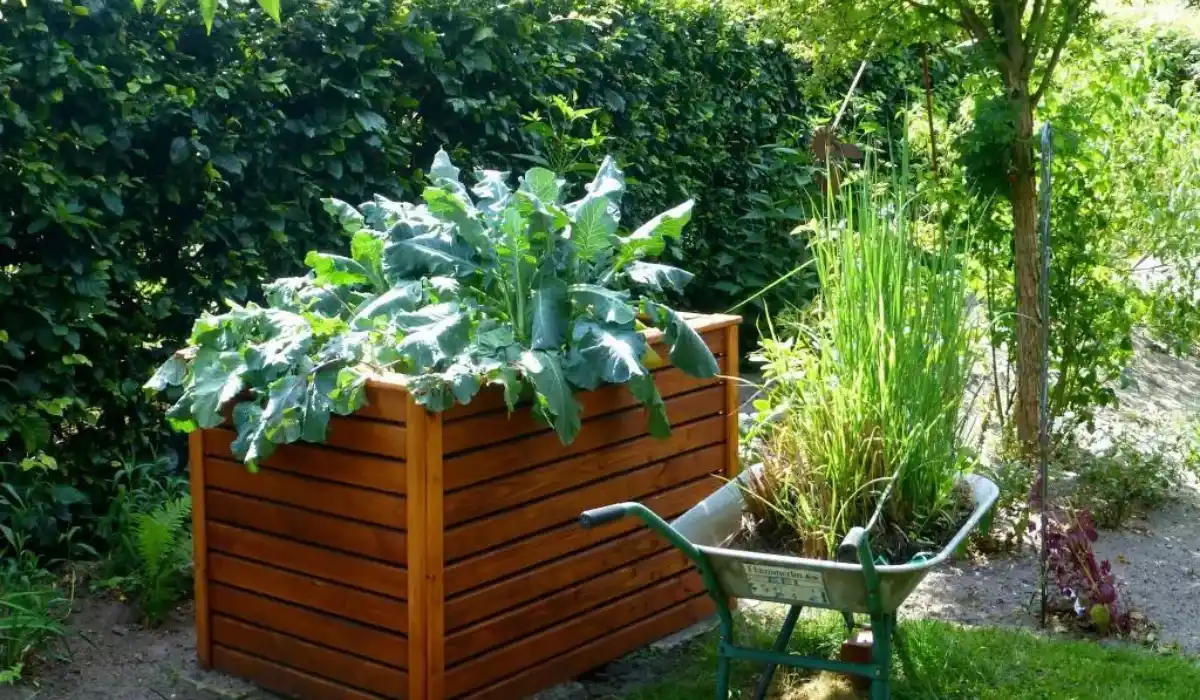
It’s easy to focus entirely on the house itself and forget about the yard, but landscaping plays a real role in how water moves around a property. Overgrown shrubs pressed against the house can trap moisture against exterior walls. Tree branches hanging over the roof drop leaves that clog gutters and create dams on the roofline. Even flower beds that sit too close to the foundation can direct water toward the house if they’re not properly graded.
Trim back any vegetation that touches the house and clear debris from around the foundation. If you have mulch beds near the walls, make sure the mulch isn’t piled so high that it sits above the bottom edge of the siding. Water wicking through mulch and into siding is a sneaky cause of exterior rot that many homeowners don’t catch until it’s too late.
Assembling an Emergency Supply Kit
Even with the best preparation, severe storms can cause power outages, flooding, and temporary disruptions to daily life. Having a basic emergency kit ready is just smart planning. Flashlights, batteries, a battery-powered radio, bottled water, and important documents stored in waterproof bags are all essentials.
If your area is prone to flooding, knowing your evacuation routes and having a plan for pets and family members can save precious time when it matters most.