Austin homeowners want clean air and an HVAC system that works as it should. Air duct cleaning services claim to remove dust, debris, and possible mold from the system. However, not every service offers the same level of care or honesty. You need to know what a proper visit should include and how professionals should treat your home.
Austin homeowners should expect a careful inspection, professional equipment that cleans the full system, clear pricing, and a final system check that confirms proper airflow. This article explains what a quality service looks like, how it protects indoor air, and how it supports HVAC performance. With the right knowledge, you can spot real value and avoid common problems.
Detailed inspection of ducts for dust, mold, and debris buildup
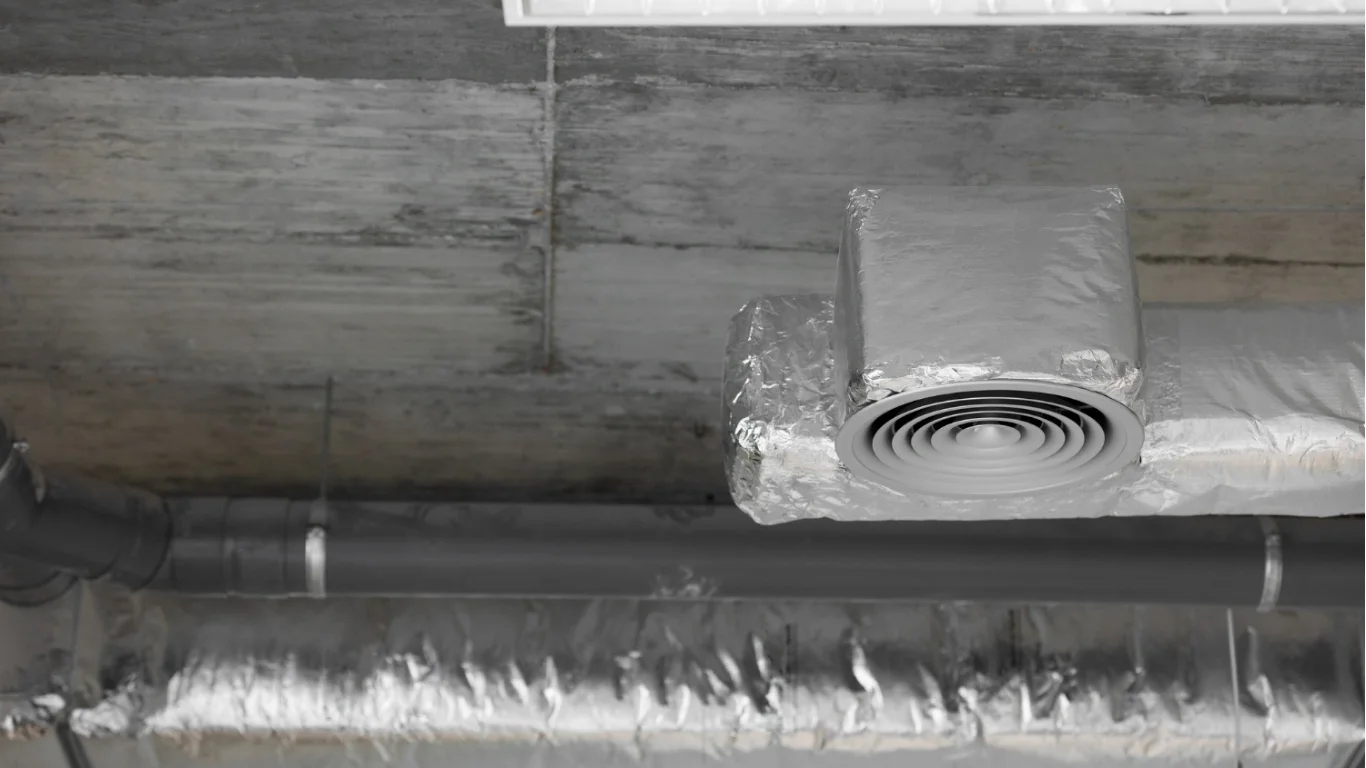
A proper inspection stands at the core of air duct cleaning services in Austin, since technicians must first see the true condition of the system before any work begins. They remove vent covers and check supply and return ducts for dust, dirt, and loose debris.
Technicians often use lights or small camera tools to view deep sections of the ductwork. This step helps them spot blockages, damaged areas, or heavy dust that may restrict airflow. As a result, homeowners gain a clear picture of what sits inside the system.
They also check for signs of mold in areas where moisture may collect. Mold can appear near coils, drip pans, or poorly sealed joints. If they find dark spots or musty odors, they may suggest further testing or repair.
In addition, crews look for loose connections or gaps that allow debris to enter. A careful inspection helps determine the right next steps and prevents unnecessary work.
Use of specialized equipment to create negative pressure for deep cleaning
Professional duct cleaners use high-powered vacuum systems that create negative air pressure inside the ductwork. This process pulls dust, debris, and other particles toward a sealed collection unit instead of into the home. As a result, contaminants move in one direction and stay contained.
Technicians connect a large vacuum hose to the main trunk line of the HVAC system. The equipment then draws air out of the ducts, which places the entire system under steady suction. Therefore, loosened debris travels directly to the vacuum.
In addition, crews use rotary brushes, air whips, or compressed air tools to dislodge buildup from duct walls. These tools break up dirt so the vacuum can capture it. Basic shop vacs cannot reach deep sections, so this level of equipment matters.
Homeowners in Austin should expect visible steps such as vent cover removal, access panel cuts, and sealed hose connections. Each step supports a controlled and thorough duct cleaning process.
Transparent pricing with no hidden fees or aggressive upsells
Austin homeowners should expect clear, upfront pricing before any work starts. A reputable company provides a written estimate that lists each service, the total cost, and any optional add-ons. Therefore, the homeowner knows exactly what they will pay.
The estimate should explain what the base price covers. For example, it may include duct cleaning, return vents, and the air handler. If the home needs extra services such as dryer vent cleaning or sanitizing, the company should list those items with separate prices.
In addition, honest providers avoid low teaser rates that change after arrival. They do not add surprise fees for standard tasks or push services the home does not need. Instead, they show proof, such as camera photos, to support any recommendation.
Clear communication builds trust. As a result, homeowners can make informed choices without pressure or confusion.
Removal of contaminants to improve indoor air quality and HVAC efficiency
Air duct service focuses on the removal of dust, debris, pet dander, and mold spores from the HVAC system. Technicians access supply and return ducts, the air handler, and other parts where buildup can collect.
They use agitation tools and high-powered vacuums to pull contaminants out of the system rather than push them into the home. This source removal method helps reduce particles that can circulate through rooms.
Clean ducts also support better airflow. Blocked passages force the HVAC system to work harder, which can raise energy use and strain parts. After debris leaves the system, air can move with less resistance.
Research shows mixed results on direct health benefits; however, lower dust levels can help some residents with allergies. In addition, a clean system may run more smoothly and require fewer repairs over time.
Post-cleaning system check to ensure proper airflow and operation
After the duct cleaning, the technician should inspect the HVAC system to confirm proper airflow. They check supply and return vents to verify that air moves freely through each room. This step helps confirm that no debris blocks the ducts.
The technician should also test the blower motor, air handler, and thermostat. They turn the system on and listen for unusual noise. In addition, they confirm that air reaches each register with steady pressure.
Filter placement matters as well. The technician checks that the air filter fits correctly and seals tightly within its slot. A loose or damaged filter can allow dust to reenter the system.
They may also review visible duct connections for gaps or loose sections. As a result, the homeowner gains confidence that the system operates as intended. This final check supports steady airflow, stable indoor comfort, and normal HVAC performance.
Conclusion
Austin homeowners should expect clear pricing, a full system inspection, and proper equipment that removes dust, pollen, and debris from the entire duct system. They should also expect technicians to explain the process, show before and after results, and address concerns about mold, humidity, and indoor air quality.
Clear expectations matter. A professional service focuses on the supply and return ducts, vents, and HVAC components, not just a quick vacuum at the openings.
Homeowners who choose a qualified team protect their air quality, support HVAC performance, and reduce avoidable repair costs. With the right service, they gain a cleaner system and a healthier indoor environment without guesswork or hidden fees.