As temperatures start to drop, many gardeners make the mistake of leaving their outdoor spaces unprepared for winter. This often leads to damaged plants, poor soil quality, and extra work when spring arrives. If you don’t take the right steps now, your garden could struggle to recover after the cold season. The good news is that learning how to winterize garden properly can protect your plants, improve soil health, and make your next growing season much easier.
Why Winterizing Your Garden Matters
Winterizing your garden is not just about protecting plants from frost; it is about preparing the entire ecosystem for seasonal changes. Cold weather can damage roots, dry out soil, and weaken plant structures if left unmanaged. By taking preventive steps, you help your garden retain nutrients and maintain its natural balance. This preparation ensures that plants return stronger and healthier when warmer weather arrives.

Another important benefit is reducing long-term maintenance. A well-prepared garden requires less effort in spring because the groundwork has already been done. It also minimizes the risk of pests and diseases that thrive in neglected spaces. Overall, winterizing is an investment in your garden’s future health.
Clean Up Your Garden Beds
The first step in learning how to winterize garden is clearing out dead or diseased plants. Leaving plant debris behind can attract pests and spread diseases throughout your garden. Removing unwanted materials keeps the space clean and reduces the chances of problems during winter. It also creates a fresh base for new growth in the next season.
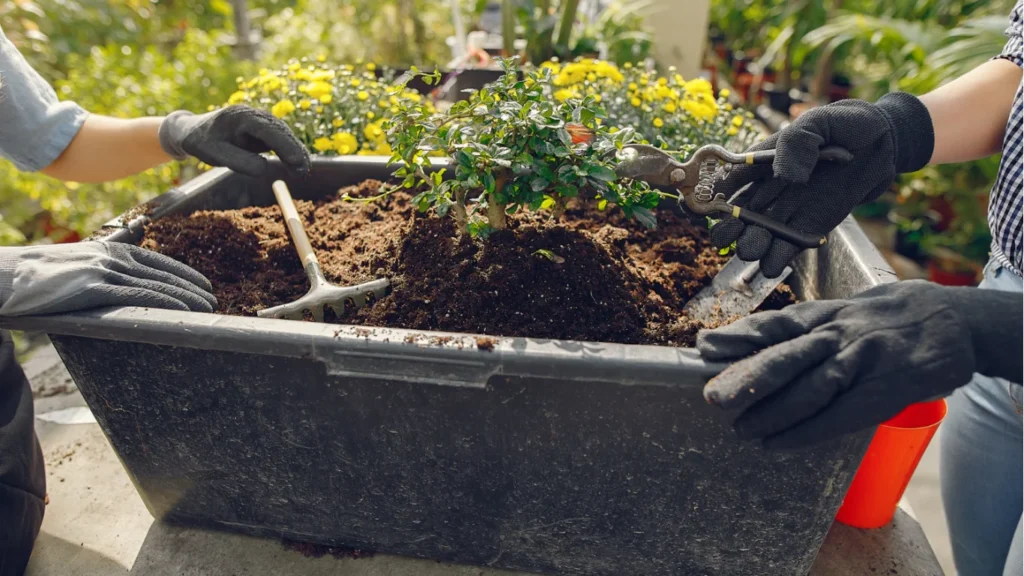
While cleaning, make sure to keep healthy plant matter that can be composted. Composting returns nutrients back to the soil and improves its structure over time. This step not only protects your garden but also enhances its long-term fertility. A clean garden bed sets the foundation for everything else.
Protect Your Soil with Mulch
Soil protection is one of the most important aspects of winterizing a garden. Adding a thick layer of mulch helps insulate the soil and maintain a stable temperature. This prevents the freeze-thaw cycle that can damage plant roots and disrupt soil structure. Organic mulch such as leaves, straw, or bark works best for this purpose.
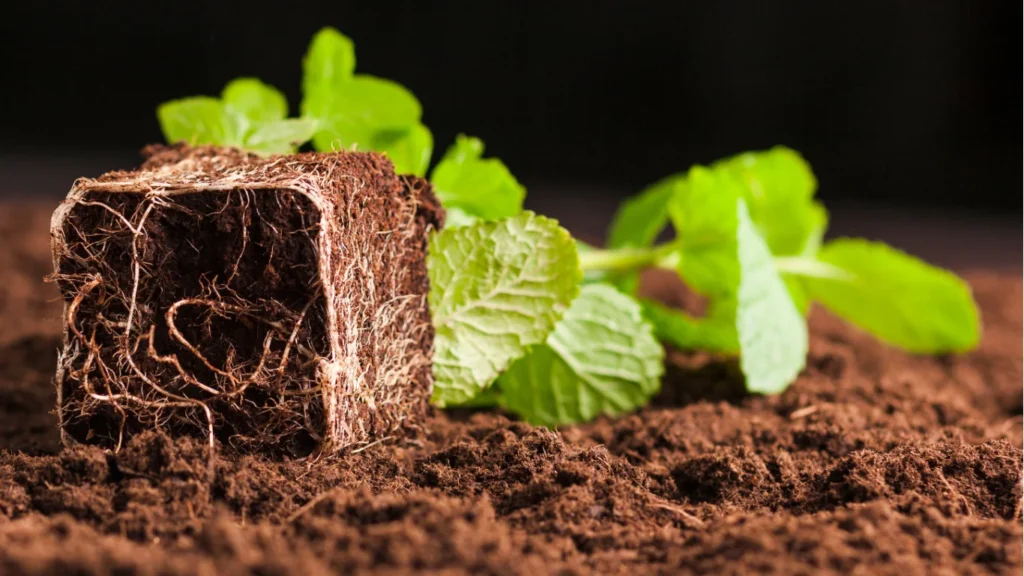
Mulch also helps retain moisture, which is essential during dry winter months. It reduces soil erosion caused by wind and heavy rain. Over time, organic mulch breaks down and adds valuable nutrients back into the soil. This simple step can significantly improve soil health for the next growing season.
Prune Plants Carefully
Pruning is an essential step, but it must be done correctly to avoid damaging your plants. Removing dead or weak branches helps plants conserve energy during winter. This also reduces the risk of disease spreading through damaged areas. However, not all plants should be heavily pruned before winter.
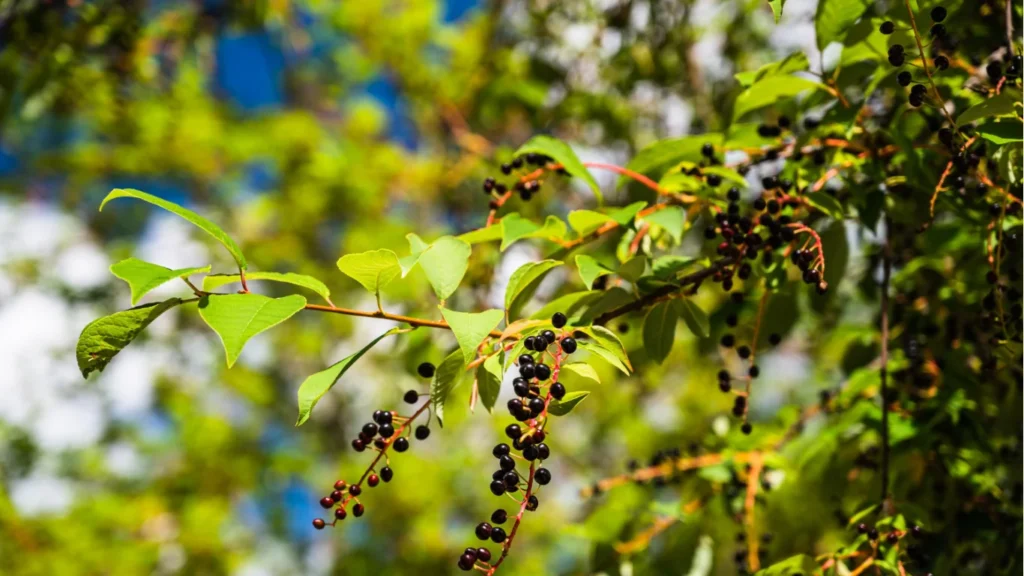
Some plants need their foliage for protection against cold temperatures. It is important to understand the specific needs of each plant in your garden. Light pruning combined with proper care ensures that plants stay healthy throughout the season. Over-pruning can do more harm than good, so moderation is key.
Water Your Garden Before the Freeze
Proper watering plays a crucial role when learning how to winterize garden effectively. Plants need enough moisture before the ground freezes to survive harsh conditions. Dry soil can cause roots to become stressed and more vulnerable to damage. Deep watering ensures that moisture reaches the root zone.
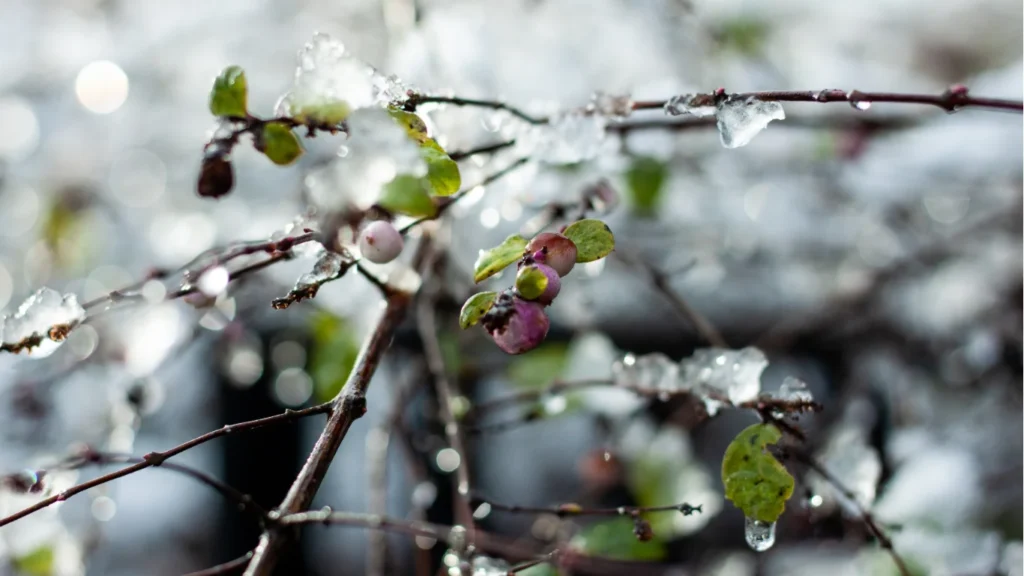
It is important to stop watering once the ground begins to freeze. Overwatering during cold conditions can lead to root rot and other issues. Timing is essential to get the best results. A well-hydrated garden has a better chance of surviving winter.
Protect Delicate Plants from Frost
Some plants are more sensitive to cold and require extra protection. Covering them with frost cloths or burlap helps shield them from freezing temperatures. This creates a barrier that traps warmth and reduces exposure to harsh conditions. It is a simple yet effective way to prevent damage.
You can also move potted plants indoors or to a sheltered area. This protects them from extreme weather and keeps them healthy. Paying attention to vulnerable plants ensures that they survive winter without significant damage. Small efforts can make a big difference.
Prepare Garden Tools and Equipment
Winterizing your garden also includes taking care of your tools and equipment. Cleaning and storing tools properly prevents rust and extends their lifespan. Sharp tools should be maintained so they are ready for use in spring. This saves both time and money in the long run.
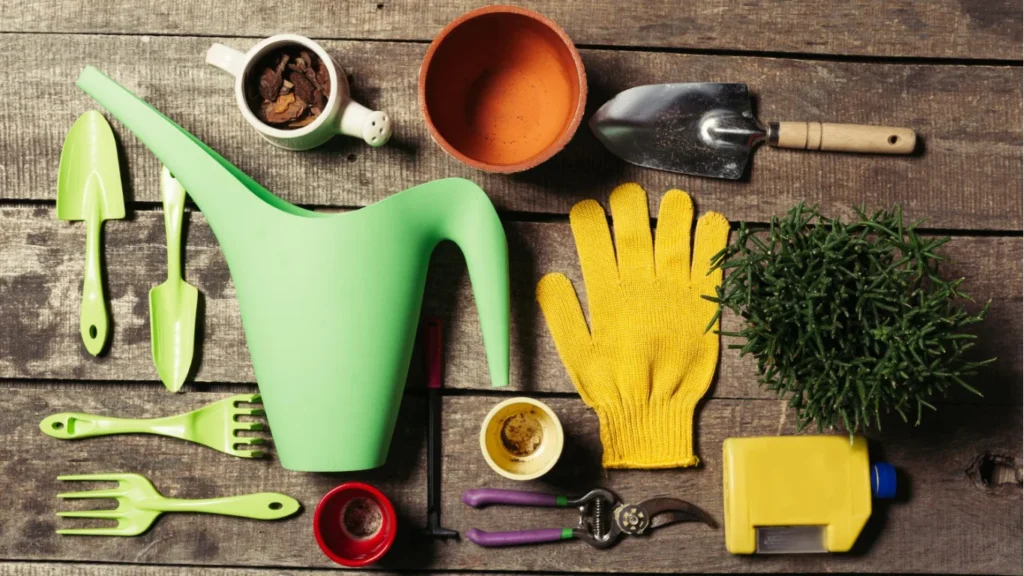
Drain hoses and store them in a dry place to prevent cracking. Empty and clean pots to avoid damage from freezing temperatures. Proper maintenance ensures that everything is in good condition for the next season. A well-organized setup makes gardening easier later.
Unique Tips Most Guides Miss
Improve Soil with Cover Crops
Planting cover crops is an often-overlooked strategy when learning how to winterize garden. These plants protect soil from erosion and improve its structure naturally. They also add nutrients back into the soil, reducing the need for fertilizers. This method prepares your garden for a healthier growing season.
Create Wind Barriers
Strong winter winds can damage plants and dry out soil quickly. Installing simple barriers such as fences or using natural hedges can reduce wind impact. This helps maintain soil moisture and protects delicate plants. Wind protection is especially important in open areas.
Check Drainage Systems
Poor drainage can cause water to freeze and damage plant roots. Ensuring proper drainage prevents water from accumulating in one place. This protects both plants and soil structure. A simple check can prevent major problems later.
Plan for Spring Early
Winter is the perfect time to plan your next planting season. Taking notes on what worked and what didn’t helps improve your garden over time. You can also prepare layouts and choose new plants in advance. Planning ahead gives you a strong start when spring arrives.
Conclusion
Learning how to winterize garden properly can make a significant difference in your garden’s health and productivity. By preparing your plants, soil, and tools, you create a strong foundation for the next growing season. Small steps taken now can prevent major problems later. With the right approach, your garden will not only survive winter but thrive when spring returns.
FAQs
When should I start winterizing my garden?
You should begin winterizing your garden before the first frost. This gives you enough time to prepare plants and soil properly. Starting early helps prevent sudden damage from temperature drops. Timing is important for effective results.
Do all plants need winter protection?
Not all plants require the same level of protection. Hardy plants can survive cold temperatures, while delicate ones need extra care. Understanding your plant types helps you take the right steps. Proper care ensures better survival rates.
Can I use leaves as mulch?
Yes, leaves are an excellent natural mulch option. They help insulate soil and retain moisture effectively. Shredded leaves work best for even coverage. This is a cost-effective and eco-friendly solution.
Should I fertilize before winter?
Fertilizing before winter is generally not recommended for most plants. It can encourage new growth that may not survive cold conditions. Instead, focus on improving soil with compost or mulch. This prepares your garden naturally.
How do I protect potted plants in winter?
Potted plants should be moved indoors or placed in sheltered areas. You can also wrap pots with insulating material for added protection. Keeping them away from extreme cold helps prevent damage. Proper care ensures they remain healthy.