Starting a new landscape project is an exciting way to improve your home and enjoy the outdoors. However, the success of your new garden or patio depends on the work you do before the first stone is laid. In North Texas, the heavy clay soil and unpredictable weather make the preparation phase critical. Taking the right steps now will save time and money during the build. Completing a full yard cleanup before renovations begin gives the construction team a clear, safe space to work.
Getting your yard ready involves more than just mowing the grass. It requires clearing the ground, protecting existing plants, and ensuring the soil is healthy enough for new growth. Proper planning helps avoid common mistakes that lead to drainage problems or dead plants later on.
1. Clear Out Debris and Old Structures
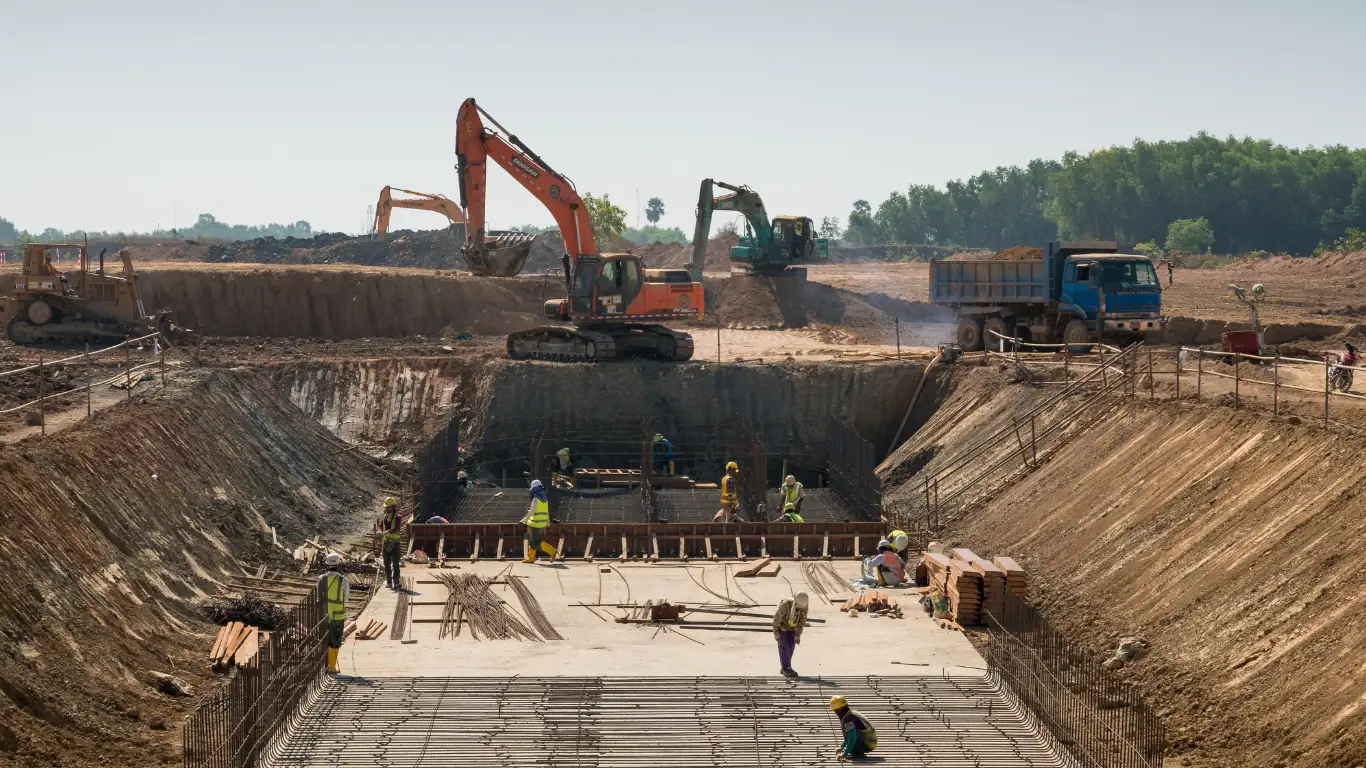
The first step is removing anything that gets in the way of the new design. This includes rotting wooden decks, broken pavers, rusted sheds, or random piles of rock. Construction crews need a flat, open space to maneuver equipment and stage materials safely.
If your yard is currently littered with old patio items, fallen limbs, or broken lawn equipment, calling in a full-service junk removal team clears out the heavy mess in one go so the landscape crew can get right to work. Leaving leftover debris in the work zone hides underground hazards and creates tripping risks for contractors.
2. Identify and Mark Underground Utilities
Before any digging begins, locate all underground utility lines. Across the Dallas-Fort Worth metroplex, many gas, water, and electrical lines sit just a few inches below the surface. Striking one with a shovel or skid steer is dangerous and expensive to repair.
Call 811 to have a technician mark your yard with colored flags (yellow for gas, blue for water, red for electric). Once the lines are marked, review the layout with your landscape team so they can route heavy machinery paths safely around vulnerable areas.
3. Protect Valuable Trees and Plants
While adding new features, you likely have mature trees or established shrubs you want to keep. Heavy construction equipment packs down soil over root systems, which starves trees of oxygen and slowly kills them over several months.
Set up temporary fencing around the drip line—the area directly beneath the outer tips of the tree branches—to keep foot traffic and heavy machinery off the roots. If you have smaller perennials you want to preserve, transplant them into temporary pots until construction wraps up.
4. Address Drainage and Soil Quality
North Texas clay soil holds onto water like a sponge during heavy rain, then bakes into hard, cracked earth during summer heatwaves. Before building patios or planting beds, ensure the grade slopes away from your home’s foundation.
Use the prep phase to smooth out low spots where standing water collects. Installing French drains, catch basins, or dry creek beds during early excavation prevents flooding later. Tilling organic compost into the native clay also breaks up dense soil, giving new sod and plantings a much higher survival rate.
5. Set Up a Staging Area for Materials
Landscape builds require massive amounts of stone, mulch, sand, and sod. Designating a clear staging area keeps your property organized and prevents delivery bottlenecks during the build.
Choose an accessible spot near the street or driveway so haul trucks can unload easily. If materials must sit on your lawn for more than a day or two, lay down heavy-duty tarps to protect the grass beneath. A well-planned staging space keeps the project moving on schedule without turning your entire property into a chaotic construction zone.