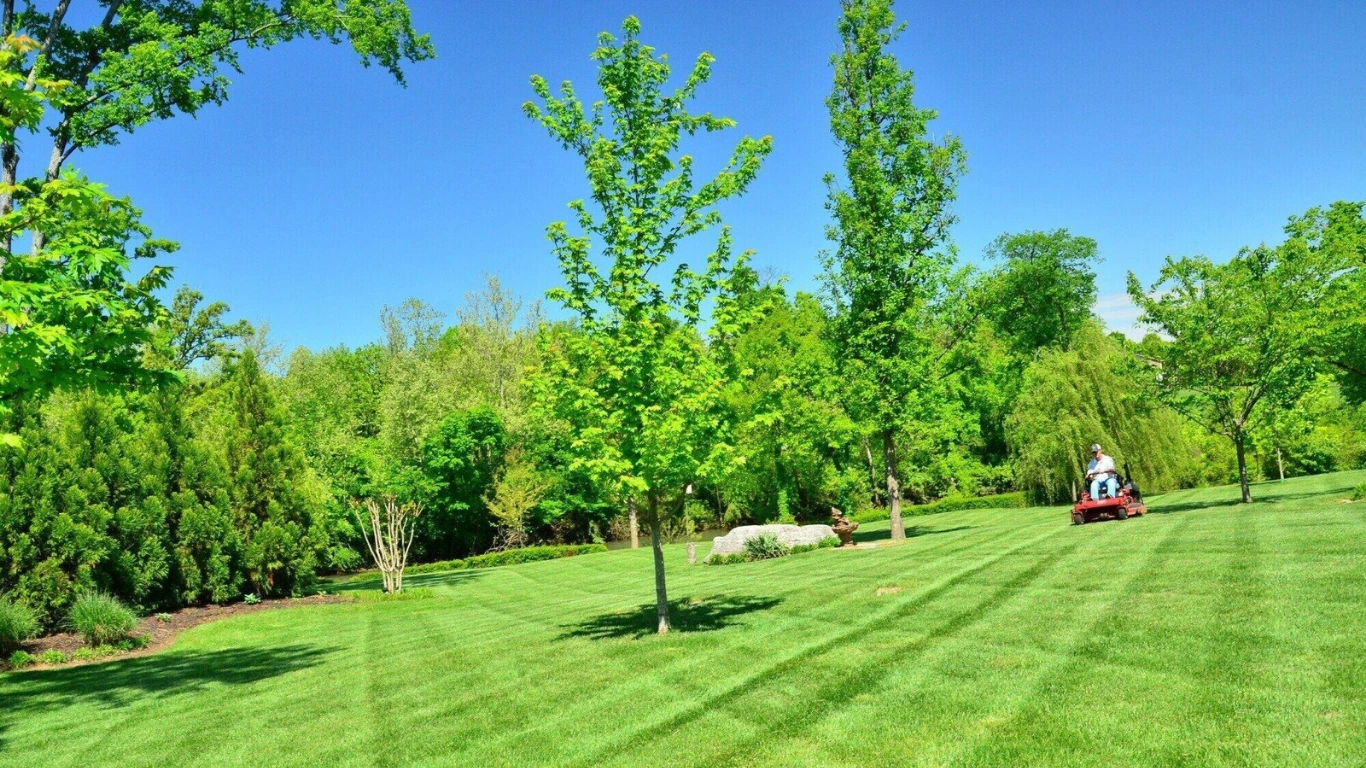
A beautiful green lawn can completely change how your outdoor space looks and feels. It makes your home more welcoming, creates a comfortable area for family activities, and improves the overall appearance of your landscape. However, maintaining healthy grass requires more than occasional watering and mowing.
The good news is that you don’t need professional landscaping experience or expensive equipment to improve your yard. Simple lawn care ideas, such as choosing suitable grass, improving soil quality, and following a consistent watering schedule, can make a noticeable difference over time.
Whether you’re dealing with brown patches, thinning grass, stubborn weeds, or compacted soil, the right approach can help you restore your lawn’s health.
Here are 10 practical lawn care ideas to help you grow thicker, greener grass and create an outdoor space you can enjoy throughout the year.
1. Test and Improve Your Lawn Soil
Healthy grass starts with healthy soil. Before spending money on fertilizer or new grass seed, take time to understand the soil conditions in your yard.
Different soil types affect grass growth in different ways. Clay soil can become compacted, restricting airflow and water movement. Sandy soil drains quickly and may struggle to retain enough moisture and nutrients.
A soil test can reveal your lawn’s pH level and nutrient requirements. Many local agricultural extension services and garden centers offer soil-testing resources.
Once you understand the results, you can make targeted improvements.
Consider these simple soil care practices:
- Add organic matter where appropriate to improve soil structure.
- Use fertilizer based on actual nutrient deficiencies.
- Avoid unnecessary lime applications without testing soil pH.
- Reduce heavy foot traffic on wet or compacted ground.
- Retest periodically to monitor changes.
Improving your soil creates better conditions for root development, moisture retention, and consistent grass growth.
2. Choose the Right Grass for Your Climate
Not every grass variety grows successfully in every location. Selecting grass that matches your regional climate is one of the most important lawn care decisions you can make. Cool-season grasses, including Kentucky bluegrass, perennial ryegrass, and tall fescue, generally grow best in regions with cooler spring and fall temperatures.
Warm-season grasses, such as Bermuda grass, zoysia grass, and St. Augustine grass, typically perform better in areas with hot summers and relatively mild winters. Sunlight, soil conditions, foot traffic, and maintenance requirements should also influence your decision.
When shopping for seeds to grow better grass, compare varieties suited to your growing conditions rather than choosing only by price.
Look for seed labels showing germination rates, purity, and weed-seed content. High-quality seed improves your chances of establishing a healthier lawn, although results still depend on proper planting and maintenance.
Choosing the right grass from the beginning can reduce future problems with drought, disease, and seasonal stress.
3. Water Deeply Instead of Watering Every Day
Watering is essential for healthy grass, but more water doesn’t always produce better results.
Frequent, shallow watering can encourage roots to remain close to the soil surface. In contrast, watering deeply and less frequently generally encourages established grass to develop stronger root systems.
Many established lawns need approximately 1 to 1.5 inches of water per week during active growth, including rainfall. However, the correct amount varies depending on grass species, weather, soil type, and local conditions.
For better watering results:
- Water early in the morning to reduce evaporation.
- Use a rain gauge to measure sprinkler output.
- Allow the soil surface to dry between watering sessions when appropriate.
- Adjust irrigation after rainfall.
- Avoid watering so heavily that puddles or runoff develop.
Newly planted grass seed requires a different approach. Keep the upper soil layer consistently moist during germination, then gradually transition to deeper watering as the grass becomes established.
A thoughtful watering routine helps conserve water while supporting a healthier lawn.
4. Follow Proper Mowing Techniques
Mowing affects more than the appearance of your yard. Cutting grass at the correct height helps maintain healthy leaves, supports root growth, and reduces stress.
One common mistake is cutting grass extremely short to avoid mowing frequently. This practice, often called scalping, removes too much leaf tissue and can weaken the lawn.
A useful guideline is to remove no more than one-third of the grass blade during a single mowing session.
The ideal mowing height depends on the grass variety. For example, many tall fescue lawns benefit from a relatively high cutting height, while some warm-season grasses perform well when maintained shorter.
These regular mowing habits can improve your lawn’s appearance:
- Keep mower blades sharp for cleaner cuts.
- Avoid mowing when grass is wet.
- Change mowing direction occasionally.
- Increase mowing height during stressful summer weather when suitable for your grass type.
- Avoid removing too much growth at once.
Leaving small, healthy grass clippings on the lawn can also return nutrients to the soil naturally.
5. Fertilize According to Your Grass’s Needs
Grass needs nutrients to support healthy growth, maintain its green color, and recover from everyday wear.
However, applying excessive fertilizer can damage grass, increase unnecessary growth, and contribute to nutrient runoff.
A soil test is the best starting point for deciding which nutrients your lawn actually requires.
Nitrogen supports green leaf growth, phosphorus contributes to root development, and potassium helps with various plant functions, including stress tolerance.
The best fertilizer schedule depends on the grass type and growing season.
Cool-season lawns often benefit from feeding during active fall growth, while warm-season varieties are generally fertilized during their spring and summer growing periods.
For effective fertilization, follow product instructions, measure your lawn area, and distribute fertilizer evenly using a suitable spreader.
Avoid fertilizing during severe drought stress or when heavy rainfall could wash nutrients away.
A balanced feeding plan supports long-term grass health without wasting money on unnecessary treatments.
6. Aerate Compacted Soil to Support Root Growth
If your lawn receives frequent foot traffic, the soil may gradually become compacted. Compacted soil reduces the spaces available for air, water, and roots. As a result, grass may grow slowly, develop thin patches, or struggle during dry weather.
Core aeration is an effective way to address significant compaction. A core aerator removes small plugs of soil, creating temporary openings that improve the movement of air and water. Aeration is especially useful for lawns with heavy clay soil or areas regularly used for outdoor activities.
For the best results, aerate while the grass is actively growing and can recover. Early fall is often suitable for cool-season grass, while late spring through early summer generally works better for warm-season varieties.
You don’t necessarily need to aerate every year. Instead, check for signs of compaction and schedule treatment when conditions justify it.
7. Overseed Thin and Patchy Areas
Thin grass makes a lawn look neglected and creates opportunities for weeds to spread.
Overseeding involves spreading new grass seed over an existing lawn to improve density and fill small gaps.
Before overseeding, identify why the grass became thin. Common causes include compacted soil, excessive shade, poor drainage, drought, and heavy foot traffic.
Simply adding more seed without correcting these conditions may produce disappointing results.
Start by mowing the existing grass appropriately and removing loose debris. Prepare bare or thin areas so the new seeds can make contact with the soil.
Choose seed compatible with your existing lawn and regional climate.
After spreading the seed, water lightly and frequently enough to keep the seedbed moist during germination.
Cool-season lawns are commonly overseeded in early fall, while warm-season lawn establishment is generally best during warmer growing conditions.
With proper preparation and consistent moisture, overseeding can gradually create a fuller, more uniform lawn.
8. Control Weeds Before They Spread
Weeds compete with grass for sunlight, water, nutrients, and growing space.
Dandelions, crabgrass, clover, and other unwanted plants can become difficult to manage when lawn conditions favor their growth.
One of the best long-term strategies for controlling weeds is maintaining thick, healthy turf.
Dense grass helps shade the soil and limits the opportunities available for many weed seedlings to establish.
Try these practical weed-control methods:
- Remove isolated weeds before they produce seeds.
- Maintain appropriate mowing heights.
- Repair bare patches promptly.
- Avoid overwatering and excessive fertilization.
- Identify weeds correctly before selecting treatments.
Hand-pulling works well for small infestations, especially when the soil is slightly moist.
For larger problems, targeted weed-control products may be necessary. Always select products labeled for your grass type and the weeds involved, and follow application instructions carefully.
9. Manage Thatch, Pests, and Lawn Diseases
Even a lawn that receives regular watering and mowing can develop problems beneath the surface.
Thatch is a layer of living and dead plant material that accumulates between green grass and the soil.
A thin thatch layer can be beneficial, but excessive buildup may interfere with water movement and create unfavorable growing conditions.
Before dethatching, inspect your lawn to determine whether the layer is actually excessive. Aggressive dethatching without a clear need can damage healthy turf.
Pests and diseases also deserve attention.
Discolored patches, irregular dead areas, thinning grass, or unusual leaf markings may indicate insect activity, fungal disease, or environmental stress.
However, these symptoms can also result from watering problems, fertilizer damage, or pet urine.
Inspect the affected area carefully rather than applying pesticides immediately.
Accurate diagnosis helps you choose a suitable treatment and avoid unnecessary chemicals.
10. Adjust Lawn Care for Every Season
Your lawn’s needs change throughout the year. Following the same routine in every season can waste resources or place unnecessary stress on the grass.
A seasonal maintenance plan makes it easier to prioritize the right tasks at the right time.
Spring Lawn Care
Remove accumulated debris, inspect winter damage, and begin mowing once the grass is actively growing.
Test your soil if needed and address weeds before they become widespread.
Summer Lawn Care
Focus on moisture management and reducing heat stress.
Water according to weather conditions, avoid excessively short mowing, and limit heavy traffic on drought-stressed turf.
Fall Lawn Care
For cool-season grass, fall is often an excellent time to overseed, aerate compacted areas, and apply fertilizer when needed.
Continue removing heavy leaf accumulation so grass receives adequate sunlight.
Winter Lawn Care
Reduce unnecessary foot traffic on frozen or dormant grass.
Clean and maintain your lawn equipment, review problem areas, and plan improvements for the next growing season.
Remember that seasonal timing varies with climate and grass type, so adjust your schedule to local conditions.
Final Thoughts
Creating a healthy, attractive lawn doesn’t require complicated landscaping techniques. The most effective lawn care ideas focus on improving growing conditions and preventing common problems before they become serious.
Start with the basics: understand your soil, choose appropriate grass, water carefully, and mow at the correct height. Then address specific concerns such as weeds, compacted soil, thinning grass, and seasonal stress.
You don’t have to complete every lawn improvement at once. Choose the areas that need the most attention and gradually build a maintenance routine around them.
With patience, consistent care, and a better understanding of what your grass needs, you can turn a struggling lawn into a greener, more inviting outdoor space for your family to enjoy.