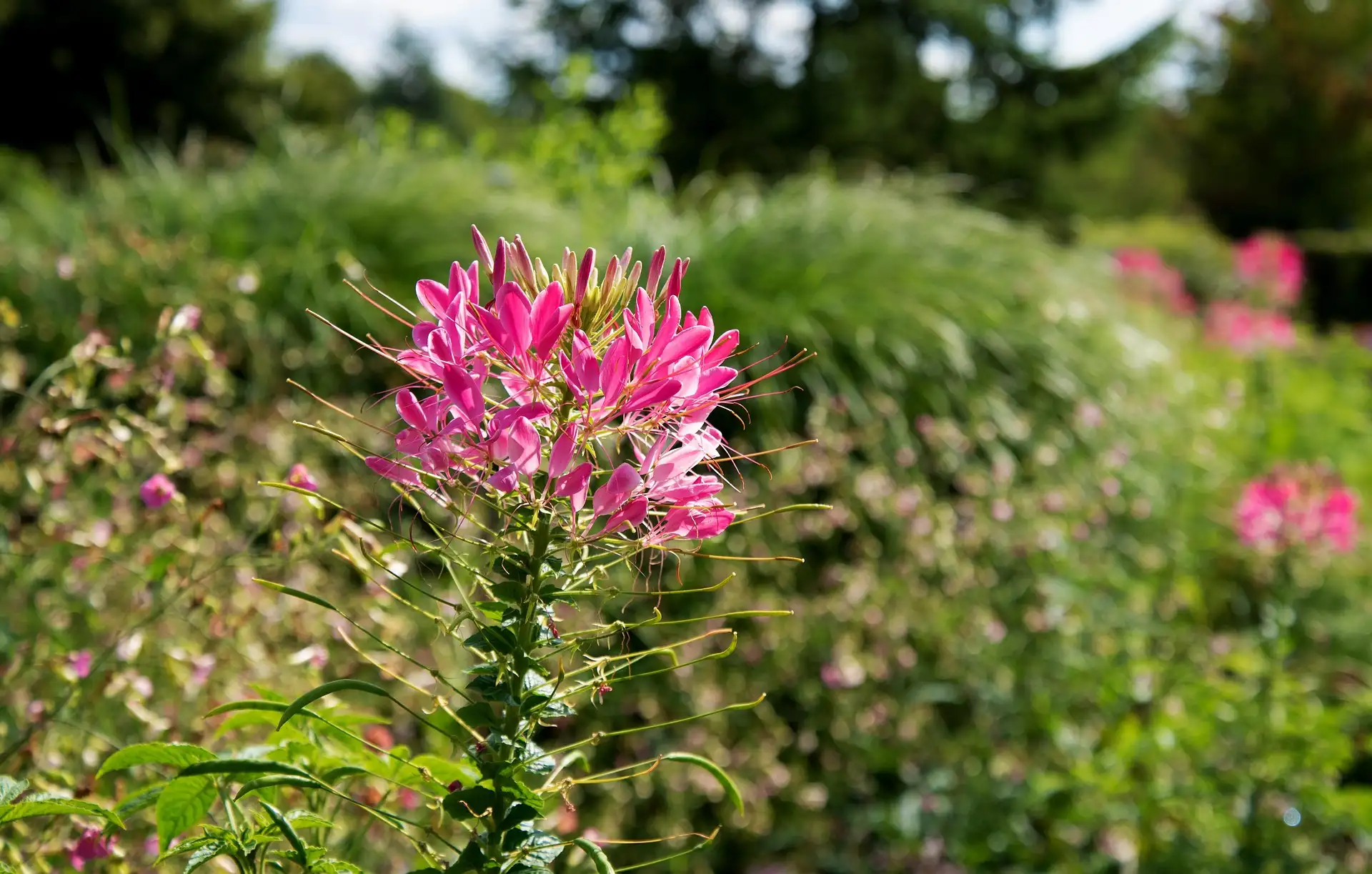
The cleome spider flower (Cleome hassleriana) is one of the most striking, architectural annuals you can add to a sunny border. Known for its airy floral clusters, dramatic height, and long, whiskery stamens that resemble spider legs, this warm-season classic brings an old-fashioned cottage garden charm to modern landscapes.
Because the cleome spider flower thrives in summer heat and requires very little pampering once established, it is a favorite for gardeners looking to attract pollinators without spending hours on high-maintenance care. However, starting these plants successfully requires understanding their specific germination quirks and unique growth traits.
This guide covers everything you need to know about the cleome spider flower, from breaking seed dormancy to managing its vigorous self-sowing habit.
What is the Cleome Spider Flower?
Native to South America, the cleome spider flower belongs to the Cleomaceae family. It is a fast-growing, upright annual that typically reaches 3 to 5 feet (0.9 to 1.5 meters) in height and spreads 1 to 2 feet wide, producing continuous blossoms from midsummer right up until the first hard autumn frost.
Distinct Botanical Characteristics
- The Flowers: Blossoms open in large, rounded terminal heads that feature four petals in shades of rose, purple, pink, or pure white. Extremely long, protruding stamens give the bloom its iconic spider-like silhouette.
- Seed Pods: As lower flowers fade, they develop into slender, elongated seed pods (siliques) that project outward horizontally on delicate stalks while new blooms continue opening above them.
- Foliage and Stems: The leaves are palmately compound, resembling miniature palm fronds. The stems are covered in fine, glandular hairs that produce a slightly sticky sap and a distinct herbal, musky scent. Small, sharp spines or prickles sit at the base of each leaf petiole, requiring careful handling during pruning.
Annual vs. Perennial Habit
In almost all temperate regions, the cleome spider flower functions as an annual. It completes its entire life cycle in a single growing season and is killed by freezing winter temperatures. However, because it produces hundreds of viable seeds per plant, it self-seeds with great reliability, reappearing in the same garden spot year after year.
Ideal Growing Conditions for Cleome Spider Flowers
Replicating the native habitat of the cleome spider flower ensures sturdy, wind-resistant stems and non-stop floral displays.
| Growth Factor | Ideal Range | Garden Considerations |
| Sunlight | Full Sun (6–8+ hours daily) | Tolerates very light afternoon shade; shade causes weak, floppy stems. |
| Soil Type | Well-drained sandy loam | Avoid heavy, waterlogged clay; thrives in moderately fertile soil. |
| Soil pH | 6.0 to 7.2 (Slightly acidic to neutral) | Tolerates a wide soil pH range as long as drainage is rapid. |
| Hardiness | Grown as an annual (Zones 2–11) | Dies with the first frost; seeds overwinter in frozen ground. |
| Water Needs | Moderate to Low | Drought-tolerant once established; avoid overwatering. |
Sunlight Requirements
To develop thick, supportive stems that do not require staking, plant your cleome spider flower in full sun. Plants receiving fewer than six hours of direct sunlight will stretch toward the light, resulting in spindly, floppy growth that can collapse during heavy summer rainstorms.
Soil Drainage and pH Preferences
Cleome is remarkably adaptable to varying soil types, but exceptional drainage is essential. While it appreciates soil enriched with compost, excessively rich or over-fertilized soil stimulates massive foliage growth at the expense of flower count. A light, moderately fertile soil with a neutral pH produces the sturdiest plants.
Step 1: Starting Cleome Spider Flower from Seed
Many gardeners struggle with growing the cleome spider flower from seed because they treat it like a standard vegetable seed. Cleome seeds possess a natural dormancy mechanism that requires specific environmental cues to trigger emergence.
The Germination Secret: Cold Stratification & Temperature Swings
Cleome seeds germinate best when exposed to a period of cold followed by fluctuating day and night temperatures.
- Cold Stratification: Before planting, place your seed packet inside a sealed plastic bag in the refrigerator for 7 to 14 days. This cold period mimics winter conditions and breaks internal seed dormancy.
- Temperature Fluctuation: Unlike many seeds that prefer steady bottom heat, the cleome spider flower responds to temperature variations—ideally 80°F to 85°F (27°C to 29°C) during the day and 65°F to 70°F (18°C to 21°C) at night.
- Light Requirement: Cleome seeds require light to germinate. Press the seeds gently onto the surface of damp seed-starting mix, but do not bury them under soil. Mist the surface with water to settle them in place.
Starting Indoors vs. Direct Sowing
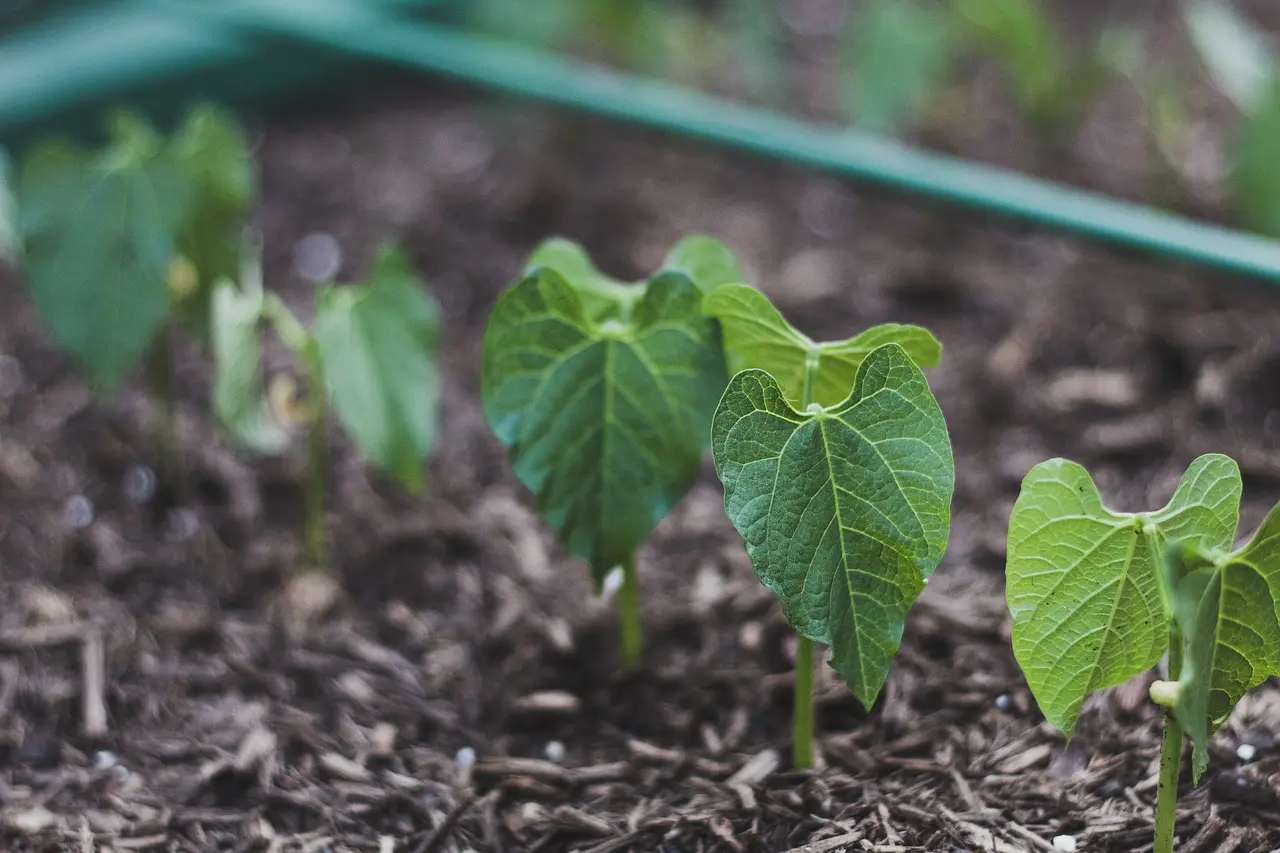
- Starting Indoors: Start seeds 6 to 8 weeks before your average last spring frost date. Use biodegradable seedling cells or soil blocks to minimize root disturbance when transplanting outdoors. Germination typically takes 10 to 20 days.
- Direct Sowing: Sow seeds outdoors in late autumn or early spring. Autumn sowing allows the winter chill to naturally stratify the seeds, leading to spontaneous sprouting once spring soil warms up.
Step 2: Transplanting and Spacing Guidelines
Because mature plants grow broad and bushy, proper spacing is necessary to allow adequate airflow and prevent fungal problems like powdery mildew.
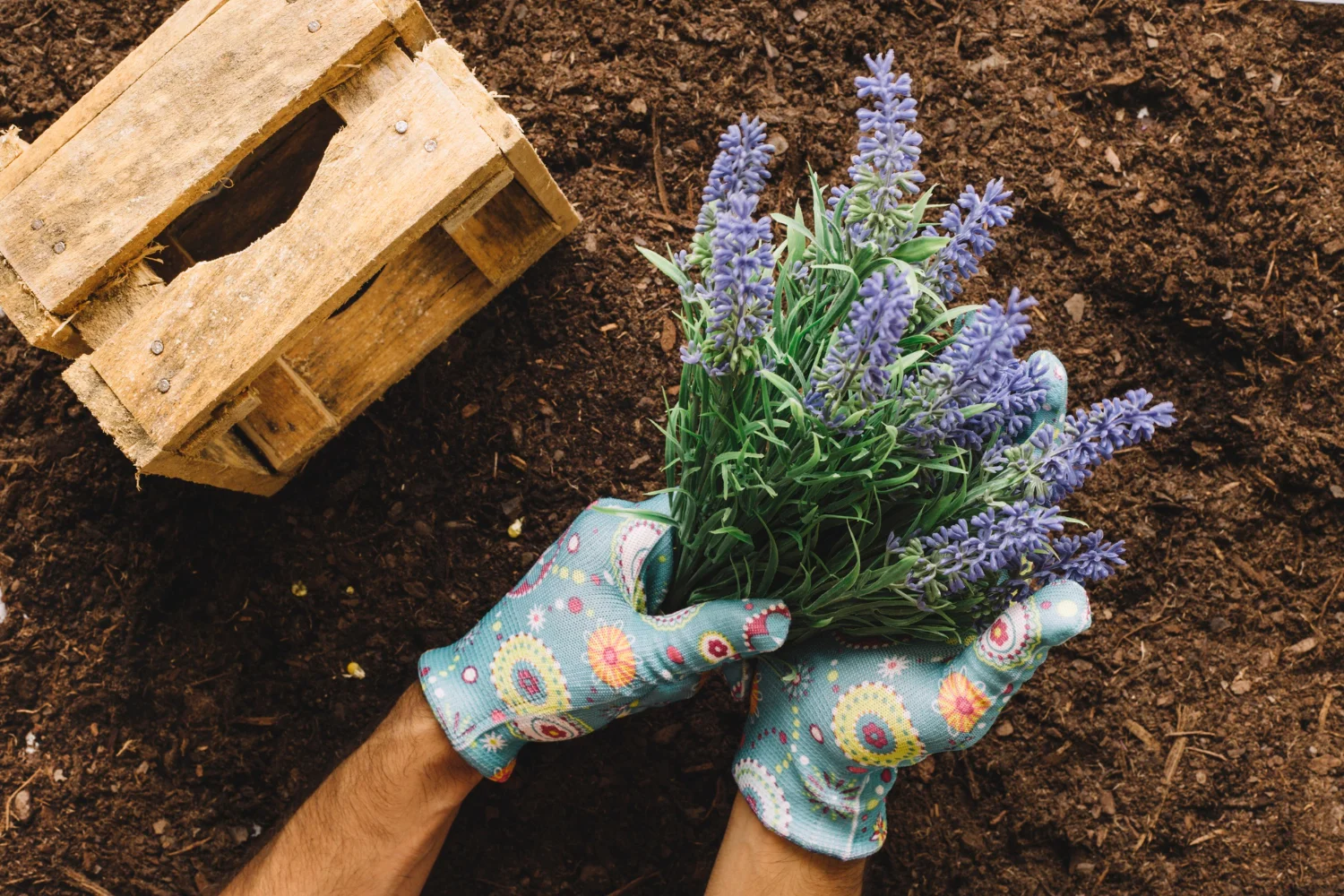
- Timing: Move your cleome spider flower seedlings outside only after all danger of frost has passed and night temperatures consistently stay above 50°F (10°C).
- Hardening Off: Acclimate indoor-grown seedlings to outdoor conditions over a 7-day period by placing them in dappled shade for a few hours each day, gradually increasing their exposure to direct wind and sun.
- Plant Spacing: Space individual plants 14 to 18 inches (35 to 45 cm) apart. When planted too close together, cleome plants compete for root space and shade each other out. Close spacing also traps humidity around the leaves.
Step 3: Ongoing Care and Maintenance
Once established in the garden, the cleome spider flower is one of the lowest-maintenance flowering annuals available.
Watering Needs
Young transplants need regular watering for the first three to four weeks until their root systems penetrate deep into the garden bed. Once established, the cleome spider flower develops good drought tolerance thanks to its deep taproot. Water deeply only during extended dry spells when the top two inches of soil dry out completely. Always water at the base of the plant to keep the foliage dry.
Fertilizer Recommendations
Cleome does not need heavy fertilization. A single application of balanced, slow-release organic fertilizer at planting time provides plenty of nutrition for the entire season. Avoid using high-nitrogen chemical fertilizers; excessive nitrogen produces tall, weak green stems that blow over easily in wind, while drastically delaying bloom formation.
Step 4: Managing Seed Pods and Self-Seeding
One defining characteristic of the cleome spider flower is its prolific self-seeding habit. As the summer progresses, the plant produces long, needle-like pods packed with dozens of dark seeds.
- Deadheading for Longer Blooms: Snipping off spent flower heads and early seed pods directs the plant’s energy back into creating fresh floral buds. While deadheading isn’t mandatory for the plant to keep blooming, it helps maintain a tidy appearance.
- Preventing Invasive Spread: If you do not want volunteer cleome seedlings carpetting your garden bed next spring, cut back the plants in late summer or early fall before the seed pods turn brown, dry out, and split open.
- Controlled Saving: To save seed for next season, allow several mature pods to turn tan and dry on the vine. Clip the pods, split them open over a paper bag, and store the seeds in a cool, dry place.
Best Companion Plants for the Cleome Spider Flower
Because of its significant height and airy floral architecture, the cleome spider flower works exceptionally well at the back of garden borders, along fence lines, or in mixed pollinator plantings.
- Zinnias (Zinnia elegans): Bright, bold zinnia blooms sit nicely beneath the taller, delicate canopy of cleome.
- Cosmos (Cosmos bipinnatus): Feathery cosmos foliage and daisy-like petals complement the tropical look of spider flowers.
- Salvia and Russian Sage: The deep blues and purples of perennial salvias contrast beautifully with pink and white cleome varieties.
- Ornamental Grasses: Feather reed grass or purple fountain grass provides an attractive, textured backdrop that highlights cleome’s unique silhouette.
- Pollinator Support: Cleome flowers produce abundant nectar and pollen, making them magnets for bumblebees, hummingbirds, and nocturnal hawkmoths (sphinx moths) that visit the blooms at dusk.
Troubleshooting Common Pests and Growing Problems
| Problem | Likely Cause | Solution |
| Seeds fail to sprout indoors | Lack of light or constant high heat | Surface-sow without burying; provide a chill period and alternate day/night temperatures. |
| Tall stems bending or falling over | Inadequate sunlight or high nitrogen | Plant in full sun (minimum 6 hours). Avoid high-nitrogen fertilizers. Staking can support leaning plants. |
| White powdery coating on foliage | Powdery mildew caused by poor airflow | Space plants 14–18 inches apart. Water exclusively at the base, never over foliage. |
| Tiny holes in young leaves | Flea beetles | Apply floating row covers over young seedlings or dust with diatomaceous earth. |
| Leaves turning yellow and dropping | Soil is waterlogged or compacted | Improve soil drainage with grit or compost. Reduce watering frequency. |
Frequently Asked Questions
Is the cleome spider flower toxic to dogs or cats?
The cleome spider flower is non-toxic to dogs, cats, and horses according to veterinary reference guidelines. However, the stems carry small prickles and sticky sap that can cause mild mouth or skin irritation if pets chew on the branches.
Does the cleome spider flower come back every year?
Individual plants do not survive winter freezing temperatures because cleome is a tender annual. However, the cleome spider flower drops large volumes of seed that overwinter in the soil and sprout spontaneously each spring, giving the appearance of a reliable perennial.
Why does my cleome spider flower have a strong smell?
The leaves, stems, and seed pods of the cleome spider flower have tiny glandular hairs that secrete a musky, herbal scent. Some gardeners find the scent reminiscent of mint or catnip, while others find it slightly skunky. This fragrance acts as a natural deterrent against deer and rabbits, which rarely browse cleome foliage.
Can you grow the cleome spider flower in containers?
Yes, but you will need a large, heavy container with a minimum diameter of 14 to 18 inches (35 to 45 cm) and excellent drainage holes. Choose dwarf cultivars such as the ‘Sparkler’ series, which top out around 2 to 3 feet tall, making them far more manageable in pots than heirloom 5-foot varieties.