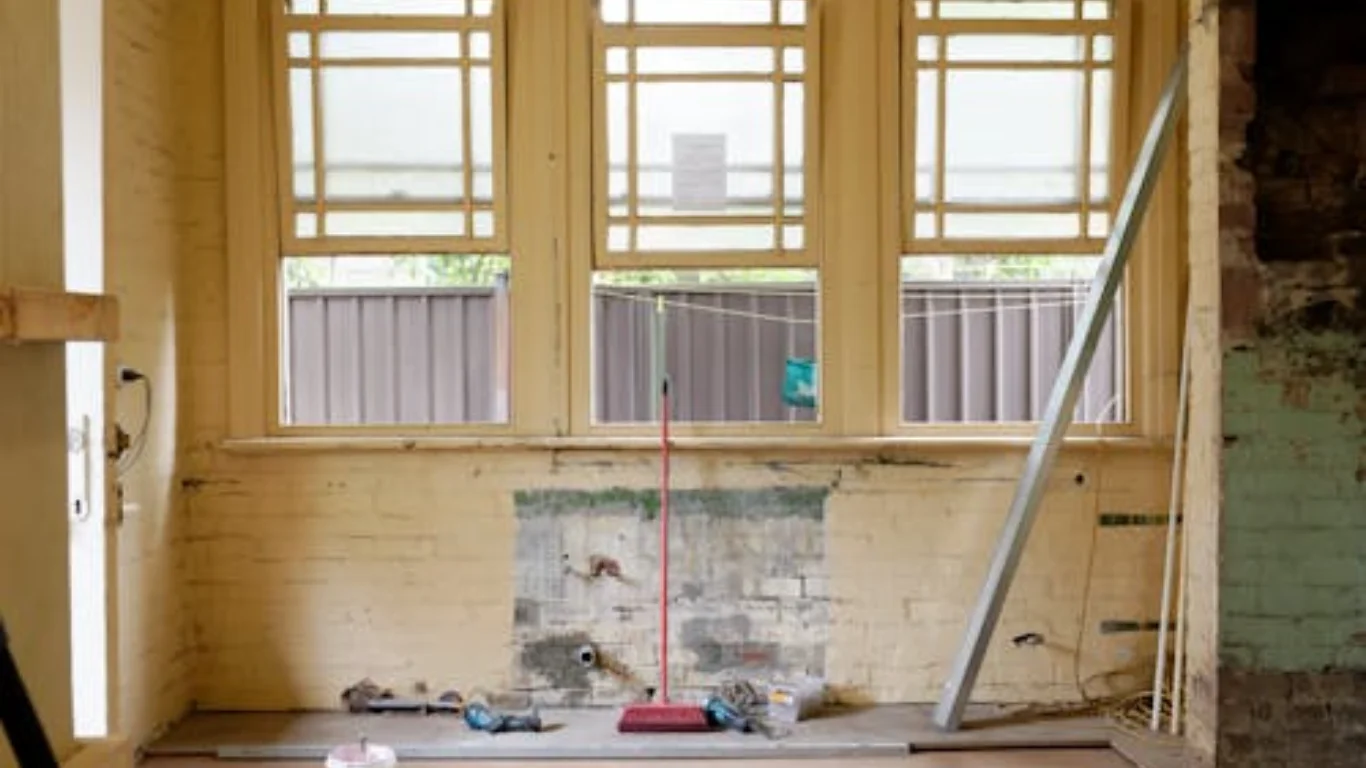
What’s the fastest way to test a marriage, a budget, and your sanity? Start a home renovation. From hidden water damage to permit nightmares, renovations are the perfect storm of ambition meeting reality. While it’s easy to dream about marble countertops and sleek new cabinets, the path to that dreamy upgrade—especially in growing cities like Waco—often comes with surprising property challenges that go far beyond color swatches and tile samples.
Here’s what every homeowner should know before tearing down a wall.
Property Lines: The Invisible Fence Wars
The grass may be greener on your neighbor’s side, but during a renovation, the real question becomes: is that grass even on your land? One of the most common – and costly – issues homeowners face is confusion over property lines. Whether you’re expanding a deck or adding a fence, assumptions can quickly turn into legal disputes if your construction strays onto someone else’s turf.
Surveys are your best defense. Not the vague, old one buried in a folder from your home’s closing, but an updated, precise one from licensed professionals. In growing cities like Waco, where suburban expansion often creates murky borderlines, hiring local experts helps clarify boundaries and prevent disputes. To know more, visit https://eaglesurveying.com/waco-surveyors/. As housing developments pop up overnight, knowing exactly what land you own isn’t just helpful—it’s necessary. Nothing sours the excitement of a new porch like being told half of it belongs to your neighbor.
Zoning Laws That Suddenly Matter
You may not have cared about your town’s zoning regulations—until the moment they blocked your dream renovation. Zoning laws control how land can be used and what can be built where. What feels like your private castle is actually a property governed by layers of municipal rules. Want to turn your garage into a tiny home for guests or rent it on Airbnb? Check your zoning.
Cities across the country are currently reworking zoning codes to address housing shortages, sustainability goals, and even climate resilience. That means what was once permitted could now be restricted—or vice versa. Don’t rely on outdated blogs or a neighbor’s guess. Visit your local planning department or hire a contractor who speaks fluent “bureaucrat” to avoid delays and fines.
Permits: The Paperwork You Can’t Skip
You’d be surprised how many homeowners skip permits thinking, “No one will notice.” Spoiler alert: they do. Especially if a nosy neighbor or a city inspector happens to pass by. Permits are required for major structural changes, plumbing, electrical work, and anything that might affect the safety or value of your home.
Skipping them can result in fines, stop-work orders, or even having to undo completed work. Beyond legality, permits protect you. They ensure work meets current safety standards and can also help with insurance claims down the road. In an era of DIY renovations glamorized on social media, getting proper permits may not be trendy—but it is smart.
Shared Spaces, Shared Problems
If you live in a townhouse, duplex, or any property with shared walls or driveways, you’ve got company—and responsibilities. Renovating shared spaces can get complicated quickly. You may need consent from your neighbor or condo association for changes that affect communal elements.
Think about noise, access to utilities, or even how construction debris gets handled. One homeowner’s kitchen upgrade shouldn’t block another’s parking space for a week. With more people embracing multi-family living arrangements to cut costs, managing renovations with diplomacy becomes just as important as managing the budget.
Easements: The Fine Print No One Reads
You might technically own your land, but that doesn’t mean you can build anywhere you like. Utility companies, municipalities, or even your neighbors may have easements—legal rights to access parts of your property. That space at the side of your house? It could be a sewer easement. The alley behind your backyard? That might be shared access for trash collection or deliveries.
Before you build a shed or fence, find out if you’re encroaching on one of these invisible zones. Easements don’t disappear just because you didn’t know about them. And yes, ignoring them can result in being forced to tear down what you just spent thousands building.
Old Homes, New Surprises
Renovating a home built before smartphones—or before electricity—comes with its own version of Russian roulette. You never know what you’ll find behind the walls. Mold, asbestos, outdated wiring, or support beams that somehow defy logic (and gravity) are all common discoveries.
Historic homes may also come with preservation restrictions that limit the changes you can make, right down to the color of your front door. As charming as these properties are, renovating them takes patience, a flexible budget, and professionals who know how to work with older structures without creating bigger issues.
Flood Zones and Water Woes
In 2023 alone, the U.S. saw billions in flood damages as extreme weather became more common. Renovations often reveal outdated or missing flood protections—especially in older homes or areas where zoning never imagined climate change. Adding a basement or expanding ground-level space without considering flood risks can turn into an expensive mistake.
Check FEMA flood maps and ask your city if your area has been reclassified. Many homeowners have found themselves suddenly in high-risk zones without ever moving. Elevating appliances, sealing foundations, or improving drainage might not be glamorous upgrades, but they can save you from waterlogged regrets.
Tree Trouble and Landscape Disputes
Nothing makes a backyard feel more serene than a towering old tree—until it becomes the subject of a heated neighbor dispute. Renovations often involve landscaping, and tree removal or pruning can stir up strong feelings, especially when roots or branches cross property lines.
Some cities have laws protecting heritage trees, meaning you can’t remove them without special permits, regardless of who planted them. And if a neighbor’s tree causes damage during your renovation (say, a branch falls onto your scaffolding), figuring out liability isn’t always straightforward. It’s another reminder to check local ordinances before assuming a chainsaw is the solution.
While the thrill of a fresh new space is real, the path to a successful renovation is paved with planning, communication, and a healthy dose of reality. Property issues may not be as exciting as picking out paint swatches, but they shape what’s possible—and how peacefully you’ll sleep once the dust settles.