Maintaining a home and garden in New South Wales takes more than weekend enthusiasm and a few tools. A structured maintenance plan saves time, prevents costly repairs, and keeps you aligned with local safety and environmental regulations. This guide outlines a practical system tailored to NSW conditions, from water restrictions to bushfire preparation.
Plan to invest three to four hours each month on core tasks, plus seasonal deep dives before summer bushfire season, autumn storms, and spring growth surges. Each recommendation notes when to tackle work yourself and when to call licensed professionals so you avoid penalties and expensive damage.
Safety and Compliance Must Come Before Any Tools
Before you touch a ladder or pruning shears, you need safety basics that protect your household and keep you on the right side of the law. NSW regulations cover everything from smoke alarms to chemical use, and ignorance can create serious liability.
Smoke Alarms and Testing Requirements
NSW law requires working smoke alarms on every storey of your home, compliant with Australian Standard AS 3786. Test each alarm monthly by pressing the button until you hear the siren. Replace batteries as needed and swap entire units ten years after the manufacture date, which you will find printed on the device.
If you are a landlord, respond to tenant smoke alarm repair requests within two business days. Document all maintenance actions with photos and dates so you can demonstrate compliance if issues arise.
Ladder Safety Basics
SafeWork NSW guidelines specify a 4:1 angle for straight ladders. Secure both top and bottom, maintain three points of contact, and never stand on the top two rungs.
Use stabilisers on uneven ground, avoid ladder work during high winds, and move the ladder rather than overreaching. For extended tasks such as gutter cleaning, consider a work platform rather than relying on a single ladder position.
Chemical and Pesticide Rules
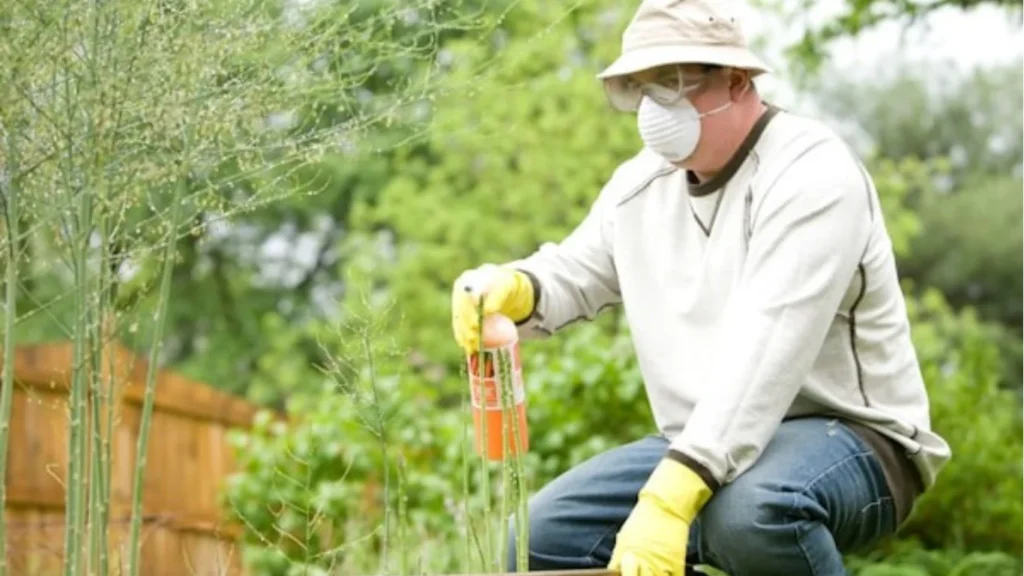
Only use Australian Pesticides and Veterinary Medicines Authority (APVMA) registered pesticides in Australia. Following product label directions is a legal requirement in NSW, not a suggestion.
Misuse can harm people, pets, and beneficial insects. Store chemicals in original containers with labels intact, and prefer targeted baits over broadcast spraying indoors.
Gas Safety and Carbon Monoxide
NSW Health warns you must never use barbecues or outdoor heaters indoors. Carbon monoxide has no smell, builds up quickly, and can be fatal within minutes.
Service indoor gas heaters before winter each year and maintain manufacturer-specified clearances from furniture and curtains. Consider installing carbon monoxide alarms near sleeping areas for an extra layer of protection.
Seasonal Planning Keeps Maintenance Manageable
Aligning tasks with Australian seasons prevents overwhelm and addresses problems before they escalate. Use Bureau of Meteorology guidance to tune your schedule to local climate conditions.

Summer Tasks: December Through February
Top up mulch to five to seven centimetres for coarse varieties, leaving a four-centimetre gap from plant stems. According to NSW government guidance, mulch can reduce evaporation by up to seventy percent. Water before 10am or after 4pm under Sydney Water’s Water Wise Guidelines, using trigger nozzles on all hoses.
Inspect irrigation systems for leaks and adjust run times so plants cope with heat. Mow lawns higher to shade roots and reduce stress during hot periods.
Autumn Tasks: March Through May
Clean gutters and downpipes before heavy rain arrives. Check roof tiles and flashing for cracks, loose sections, or other damage.
Prune trees for clearance from rooflines and remove ladder-height deadwood yourself, but book qualified arborists for any work near power lines.
Winter Tasks: June Through August
Focus on moisture and mould control. Ventilate bathrooms, laundries, and kitchens by running exhaust fans during and after use.
Wipe condensation from windows and fix leaks promptly. Service gas heaters before the cold sets in and check for rodent entry points as animals seek warmth.
Spring Tasks: September Through November
Prune hedges and manage rapid new growth so plants retain shape and access to light. Review irrigation efficiency, clean filters, and update timers for longer, warmer days.
Book your annual professional termite inspection, or schedule six-monthly checks if you are in a high-risk area. Review bushfire readiness by cleaning roof gutters and confirming hoses reach around your entire home.
Water-Wise Irrigation Saves Money and Stays Legal
Sydney Water’s Water Wise Guidelines permit garden watering only before 10am and after 4pm. Hoses must have trigger nozzles, and hosing hard surfaces is prohibited except for safety or health emergencies. These rules apply year-round.

Deep Watering Techniques
Check soil moisture five to ten centimetres deep before watering. Group plants by water needs in zones and adjust schedules as conditions change.
Soil moisture sensors paired with irrigation controllers prevent unnecessary watering cycles, which protects plants from stress and reduces your bills.
Rainwater Tank Maintenance
Clean first-flush diverters and tank inlet screens regularly to prevent blockages. Service tank pumps annually and test system pressure at the start of summer.
Direct overflow to legal stormwater connection points rather than across property boundaries. If water quality drops, organise professional cleaning before reconnecting the tank to household plumbing.
Pest Prevention Protects Your Property
Integrated Pest Management focuses on prevention through exclusion and sanitation, with treatments as a last resort. This approach protects beneficial insects while targeting actual problems.
Termite Risk Reduction
Maintain approximately seventy-five millimetres of clear inspection zone at slab edges and weep holes. Keep mulch and garden beds away from footings so soil remains visible.
Fix leaks under bathrooms, kitchens, and around downpipes because termites seek consistent moisture. Industry guidance referencing Australian Standard AS 3660.2 recommends annual professional inspections, moving to six-monthly in high-risk areas.
Rodent and Cockroach Control
Store pantry goods in sealed containers and remove pet food overnight. Seal external gaps larger than six millimetres for mice and twelve millimetres for rats.
Use APVMA-registered baits strictly in line with label directions, placing them out of reach of children and pets. Dispose of dead rodents promptly using sealed bags to avoid secondary poisoning risks for wildlife.
Pest Control Blacktown Is Essential When Prevention Falls Short
Sometimes prevention is not enough, and persistent infestations require professional intervention. Escalate immediately if you see termite mud tubes, hollow-sounding skirting boards, live cockroach activity in multiple rooms, or persistent rodent droppings despite thorough sanitation efforts.
If pests continue after your prevention work, book a licensed local provider in Western Sydney. E1 Pest Solutions services Blacktown and surrounding suburbs, ensuring treatments use APVMA-registered products applied strictly according to label requirements. Engaging a trusted local team that understands Western Sydney conditions and council expectations makes professional support, such as pest control Blacktown, far more effective than repeated DIY spraying.
What Professional Treatment Includes
For termites, expect Australian Standard AS 3660 aligned management using monitoring, baiting, or soil treatments with scheduled follow-up inspections. Cockroach treatment uses targeted gels and crack-and-crevice applications rather than broad surface spraying.
Rodent management relies on strategic baiting with tamper-resistant stations plus detailed proofing recommendations. Ask providers for written inspection reports mapping conducive conditions and treatment plans listing product names with APVMA registration numbers.
Confirm technicians are licensed and insured, and ask how they protect pets and children during treatments. Clarify warranty terms for termite work, including what triggers free follow-up visits.
Indoor Maintenance Controls Moisture and Mould
Moisture problems cause structural damage and noticeable health issues for people with asthma, allergies, or compromised immunity. Prevention costs far less than mould remediation or timber replacement.
Mould Prevention Strategies
Run exhaust fans during and after showers. Open windows when conditions permit and use dehumidifiers in persistently damp rooms.
Clean small mould patches with diluted vinegar or detergent, then dry surfaces thoroughly. Discard porous items with embedded mould rather than attempting to clean them.
Leak Detection
Check under sinks, around showers, and behind washing machines monthly. Look for swollen timbers, stains, and musty odours.
Repair failed silicone in wet areas promptly and document leaks with photos for warranty or insurance claims. If you cannot trace the source, engage a licensed plumber before damage spreads.
Waste Disposal And Hazardous Materials Need Careful Handling
Correct waste sorting prevents contamination fines and reduces environmental harm from recyclable and organic streams.
FOGO Guidelines
Food Organics Garden Organics bins accept only food scraps, garden organics, and certified AS 4736 liners. Exclude pet waste, greasy pizza boxes, and most packaging labelled biodegradable unless your council explicitly accepts them.
Hazardous Waste Disposal
NSW Household Chemical CleanOut events accept paints, batteries, smoke detectors, and gas bottles in household quantities up to twenty litres or twenty kilograms free of charge. Transport chemicals upright in original containers and never mix products.
Asbestos Requirements
Treat unknown cement sheeting or old floor tiles as asbestos-suspect until tested. Disposal must occur at licensed facilities that hold asbestos approvals.
Quantities exceeding one hundred kilograms or ten square metres require NSW Environment Protection Authority (EPA) notification, and NSW strongly recommends licensed removalists for any asbestos work.
Monthly Maintenance Keeps Problems Small
A simple monthly cadence prevents expensive failures and spreads workload throughout the year. Each focused task takes around twenty to thirty minutes.
January focuses on irrigation leak checks. February involves termite mud tube inspection. March means gutter cleaning.
April requires smoke alarm testing. May is for booking gas heater servicing. June covers mould inspection in wardrobes.
July addresses safety pruning. August refreshes your storm kit. September tops up mulch where coverage has thinned.
October handles pressure washing of paths and hard surfaces. November reviews bushfire clearances. December seals newly discovered pest entry points.
Building Your Maintenance Kit Saves Time And Improves Safety
A compact kit reduces wasted trips and enables safe work across seasons. Core items include durable hand protection, P2 respirator masks rated for fine particles, safety glasses, secateurs, loppers, a pruning saw, and ladder stabilisers.
Add a hose with trigger nozzle, leaf scoop, gutter bucket, drill, silicone sealants, an inspection torch, and a soil moisture meter. Store tools together in a clearly labelled tub or cabinet so household members know where to return them.
Keep consumables stocked, including mulch, wet-area silicone, weatherstripping, drain sieves, APVMA-registered gel baits, and AS 4736 certified kitchen caddy liners for FOGO systems.
Skip Bins Hire in Sydney Makes Large Waste Volumes Manageable
Council hard-waste services have volume limits and usually exclude renovation debris. For large garden clean-ups or renovation waste that exceeds council hard-waste limits, arrange a correctly sized container through a Sydney-based skip bin provider and confirm with your council whether a verge or road permit is required. Booking a reputable local operator, such as Skip bins hire in Sydney, helps you match bin sizes and rules to your project.
Selecting and Loading Bins
Estimate waste volume by room or garden area and discuss heavy materials such as concrete or soil with your provider because of weight limits. Load evenly below the rim so the bin can be transported safely.
Never place liquids, chemicals, batteries, or asbestos in skip bins. Use council or state drop-off programs for these materials instead.
Placement Rules and Permits
Place bins on private property where possible to avoid permit fees and neighbour complaints. Many councils, including The Hills Shire, require approval for verge placement or prohibit roadway placement entirely.
Check your local government area’s specific rules before booking delivery. Maintain sightlines, driveway access, and safe pedestrian movement if bins must go on shared or public land.
Conclusion: Consistent Action Prevents Costly Surprises
A structured approach to home and garden maintenance reduces water use, prevents avoidable damage, and keeps you aligned with NSW regulations. Use the monthly tasks and seasonal checklists to make upkeep predictable rather than reactive.
Log photos and actions for warranties and insurance claims. Store reports from trades, pest inspectors, and councils alongside your maintenance schedule so you can track patterns over time.
This week, set up your maintenance log and schedule your next monthly task. Audit smoke alarms, ladders, and personal protective equipment, ordering any missing items.
Check your council’s FOGO and Chemical CleanOut dates. Escalate high-risk work to licensed professionals to protect your health, property, and long-term investment.