Home renovation projects often change the way a homeowner sees familiar spaces, especially in a close-knit rural community like Hampton, NJ, where many properties carry decades of history inside their walls. Older homes in this region often hold systems that worked for years but now struggle under modern demands. Renovation crews open walls, remove fixtures, and shift layouts, and those steps uncover hidden plumbing issues that homeowners never expect. These discoveries create stress, but they also give homeowners a chance to correct long-standing problems before they cause bigger disruptions.
Why Renovations Reveal More Than Surface-Level Issues
Homeowners usually start renovation plans with a focus on style, layout, and comfort, but plumbing problems often sit quietly until construction crews make changes. Once workers remove paneling or flooring, they expose piping that shows corrosion, leaks, or outdated materials. These conditions develop slowly, so homeowners rarely notice the warning signs early. Renovation projects interrupt the routine flow of water through the system, and that shift often reveals weak points. Solid planning helps homeowners stay ready for unexpected discoveries and keeps projects moving in a predictable direction.
How Local Conditions Shape Plumbing Surprises During Renovation
Homes in Hampton often rely on older supply lines, well systems, and long-running drainage paths shaped by the area’s soil and weather patterns. Renovation teams open walls or dig near foundations, and those actions uncover joints that weakened from mineral buildup or shifting ground. Many homeowners feel surprised when crews find these issues, but the region’s aging housing stock makes these discoveries common. A skilled professional plumber in Hampton, NJ, can guide homeowners through every step and provide reliable insight that fits the area’s unique demands. That local understanding helps renovation decisions feel manageable.
Water Pressure Changes That Reveal Failing Components
Construction work disrupts water flow, and that disruption often exposes vulnerabilities inside older pipes. When workers shut off water or reroute temporary lines, those shifts send sudden pressure changes through the system. Weak fittings loosen, small cracks widen, and worn valves stop working as intended. Homeowners may notice fluctuating pressure, sputtering faucets, or water discoloration during early renovation stages. Contractors address these issues quickly because they want the new layout to support consistent performance. A renovation project creates a perfect moment to replace old valves, strengthen joints, and ensure long-term system stability.
Aging Pipes That No Longer Support Modern Fixtures
Renovation plans often introduce updated appliances, larger sinks, or high-efficiency fixtures that require stronger and more reliable plumbing. Older pipes sometimes cannot support these demands, and construction crews find brittle materials or outdated setups once they remove old cabinetry or tile. This step gives homeowners a clear picture of what works and what no longer meets current standards. When homeowners upgrade their fixtures, they also upgrade the hidden systems that feed them. This approach prevents water restrictions, uneven flow, and long-term performance problems that would otherwise disrupt daily routines.
Drainage Issues That Surface After Layout Changes
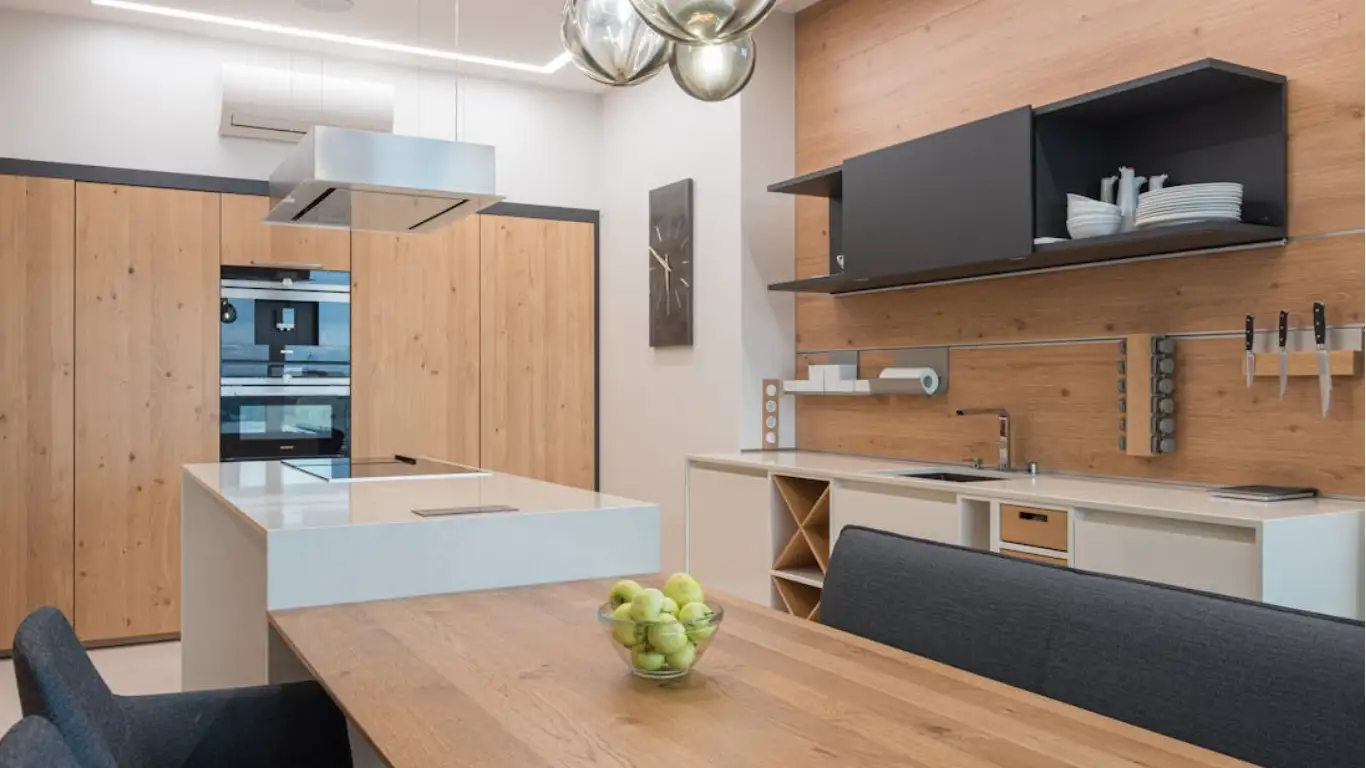
Bathroom or kitchen remodels often shift fixture locations, and those changes highlight weaknesses in the existing drainage layout. Old drains sometimes slope incorrectly or rely on pipes that no longer meet local code requirements. When workers adjust floor plans or move appliances, they uncover slow-draining lines or buildup that restricts flow. Addressing these problems during renovation gives homeowners a system that works efficiently for years. Proper drainage ensures cleaner water movement, prevents backups, and reduces odor issues. Renovation teams treat drainage corrections as a key part of a functional and comfortable new design.
Hidden Leaks That Create Structural Damage
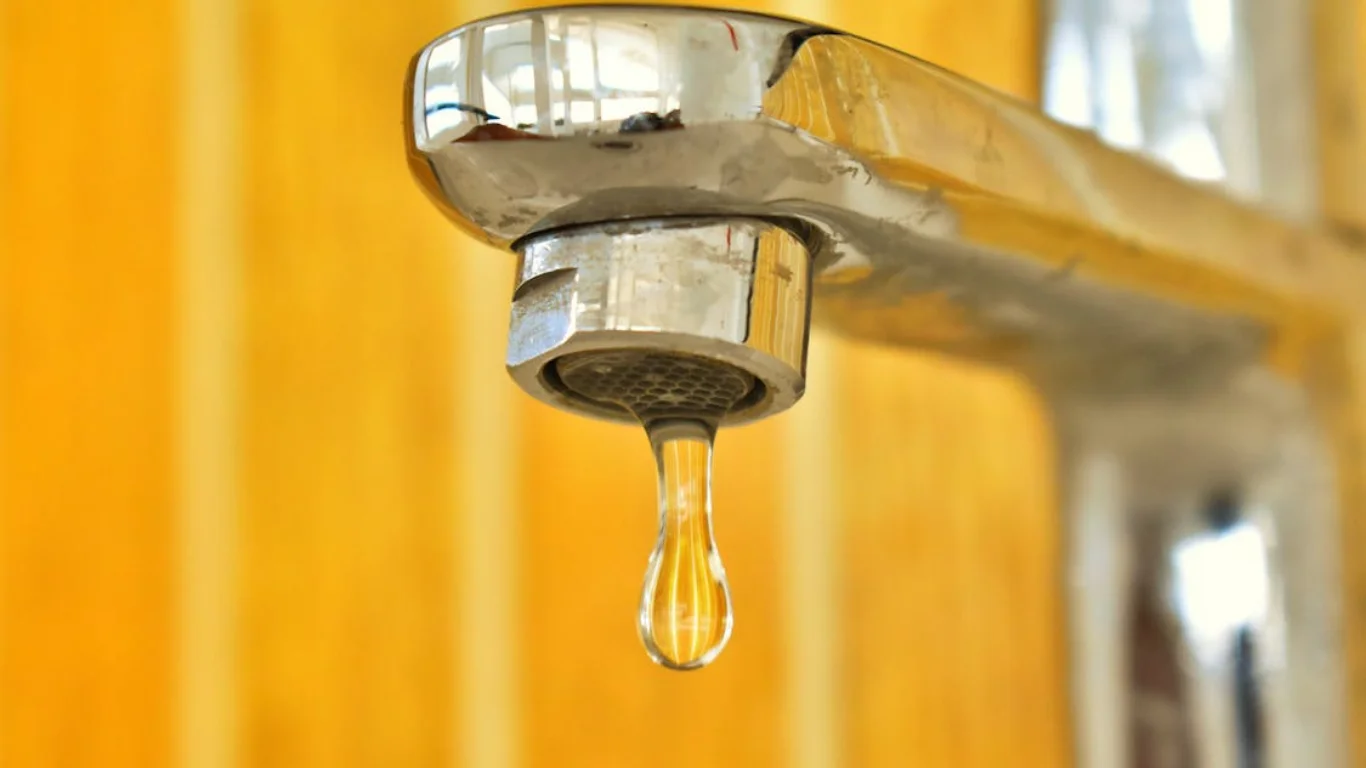
Small leaks often remain unnoticed for years, especially when they hide under flooring, behind insulation, or inside cabinetry. Renovation work finally exposes those trouble spots. Once crews remove compromised materials, they see stains, damp wood, or mold growth that signals long-running water intrusion. Immediate repair work prevents further structural issues, and teams rebuild affected areas with durable materials. Renovation becomes a chance to restore both appearance and integrity throughout the home.
Code Compliance Issues Discovered During Demolition
Older homes often contain plumbing systems that no longer match current building codes. Demolition work uncovers these outdated installations and highlights potential safety or performance issues. Out-of-date piping, insufficient venting, or improper connections require correction before crews continue construction. Renovation teams explain why these upgrades matter and how they improve long-term home value. Code-compliant systems support efficiency, safety, and proper drainage and reduce the risk of future emergencies. When homeowners approach these updates with clarity, they see how compliance upgrades strengthen the entire renovation.
Water Quality Problems That Become Noticeable
Renovation projects often change how water moves through pipes, and those shifts reveal sediment, rust flakes, or mineral deposits that collected for years. Homeowners notice cloudy water, metallic odors, or unusual tastes when construction crews first disrupt the system. These signs indicate buildup or decaying pipe interiors. Renovation teams help homeowners choose materials and filtration options that improve water quality. This stage offers the perfect moment to upgrade supply lines, install filters, or replace outdated components. Clean, reliable water flow supports every feature of a modernized home and improves daily comfort.
Unexpected Costs and How Homeowners Manage Them
Hidden plumbing problems often raise renovation costs, but clear communication helps homeowners handle the financial impact. Contractors review findings, explain the urgency of each issue, and outline repair options that align with the renovation plan. Homeowners benefit from prioritizing what protects the property’s structure and what enhances future convenience. Planning for contingencies prevents frustration and keeps projects moving smoothly. Many homeowners feel relieved once teams address underlying problems because they know the finished space rests on a strong foundation. Transparency builds confidence throughout the renovation experience.
Home improvement projects transform the way homeowners live, and those projects often expose the parts of a property that need the most attention. Hidden plumbing problems can feel overwhelming when crews uncover them, but those discoveries create valuable opportunities. Renovation teams guide homeowners through decisions that strengthen the property, improve safety, and support future comfort. When homeowners address issues immediately, they protect their investment and avoid disruptive emergencies later. Renovation then becomes more than a cosmetic upgrade. It becomes a complete renewal of both structure and function, resulting in a home that works reliably for years.