Growing a garden is one of the most rewarding and grounding things a person can do — whether you have a sprawling backyard, a compact patio, or nothing more than a sunny windowsill to work with. At its core, to grow a garden means taking deliberate control over a patch of living earth and coaxing food, beauty, and life out of it through patience, knowledge, and consistent care. It is a practice as old as human civilization itself, and yet it remains as relevant and satisfying today as it ever was — perhaps more so, given how disconnected modern life has become from the natural rhythms of growing and harvesting.
The scope of what a garden can produce is genuinely extraordinary. From a modest raised bed planted with tomatoes, basil, and cucumbers to a full productive kitchen garden that supplies a household with vegetables through an entire growing season, the possibilities scale with your available space, time, and ambition. Fruit trees, berry bushes, root vegetables, leafy greens, climbing beans, sprawling squash — all of these can be part of a home garden, and all of them deliver a satisfaction that store-bought produce simply cannot replicate. This guide covers everything you need to begin — from understanding your soil and choosing what to plant, to caring for your crops through the season and harvesting at peak.
Why Grow a Garden? The Real Benefits Beyond Fresh Produce
Health and Nutritional Benefits
The most immediate and tangible benefit of growing a garden is access to fresh, nutrient-dense food harvested at the peak of its nutritional value. Vegetables and fruits lose nutritional content from the moment they are picked — commercially grown produce often travels hundreds or thousands of miles before reaching a supermarket shelf, meaning days or weeks have passed between harvest and consumption. When you grow a garden yourself, a tomato picked at noon can be on your dinner table by evening, delivering vitamins and minerals at their highest concentration. Studies have consistently shown that home gardeners consume more vegetables and fruits than non-gardeners — largely because the harvest is right there, fresh and abundant, waiting to be eaten.
Beyond nutrition, gardening itself is a physical activity that delivers genuine health benefits. Digging, planting, weeding, watering, and harvesting all contribute to physical fitness in a way that feels productive rather than exercise for its own sake. Research published in health and environmental psychology journals has found that time spent gardening reduces cortisol — the body’s primary stress hormone — more effectively than many other leisure activities. The combination of physical movement, time outdoors, exposure to sunlight, and the meditative focus of working with plants creates a wellbeing profile that is difficult to replicate through any other single activity.
Financial and Practical Benefits
Growing a garden makes genuine financial sense, particularly for high-value crops that are expensive at retail. Herbs like basil, cilantro, and parsley — which cost $2–$4 per small bunch at the grocery store and wilt within days — can be grown in a container for the cost of a single seed packet and harvested fresh for an entire season. Salad greens, cherry tomatoes, cucumbers, peppers, zucchini, and beans are all among the most productive and cost-effective crops for a home garden — they produce abundantly across a long season and represent significant savings relative to their retail cost.
A well-planned kitchen garden of modest size — say, four to six raised beds of 4×8 feet each — can realistically supply a family of four with the majority of their vegetable needs through the growing season and well into autumn when preserved or stored correctly. The initial investment in beds, soil, and seeds is recovered within a single growing season for most gardeners, making this one of the most financially sound home improvement projects available to any homeowner with outdoor space.
Understanding Your Growing Space Before You Plant
Assessing Sunlight and Shade Patterns
Before you grow a garden, the single most important assessment you can make is understanding how sunlight moves across your available space throughout the day. Most food crops — vegetables, fruits, and herbs — require a minimum of six hours of direct sunlight per day to produce well, with eight hours being the standard recommendation for maximum productivity. Crops like tomatoes, peppers, cucumbers, squash, and melons are particularly sun-hungry and will underperform dramatically in anything less than full-sun conditions.
Spend a day observing your garden space before committing to a layout. Note which areas receive direct sun at 8 AM, noon, and 4 PM — the three key reference points for assessing sunlight availability. Areas that are shaded by the house, a fence, or mature trees for more than half the day should be reserved for shade-tolerant crops like lettuce, spinach, kale, parsley, and mint, which perform acceptably in partial shade conditions. Matching crops to your actual light conditions — rather than planting what you want to eat regardless of light — is the most important factor in a productive first season.
Soil Quality and Preparation
Healthy soil is the foundation of every successful garden. Understanding what type of soil you are working with — and how to improve it — is a foundational skill for anyone who wants to grow a garden productively. The ideal garden soil is loose, well-draining, and rich in organic matter — it should hold moisture without becoming waterlogged, and it should crumble easily in your hand rather than clumping into dense, compacted masses. Sandy soil drains too quickly and holds few nutrients; clay soil holds too much water and compacts easily; the ideal is a loamy, organic-rich blend that sits between these two extremes.
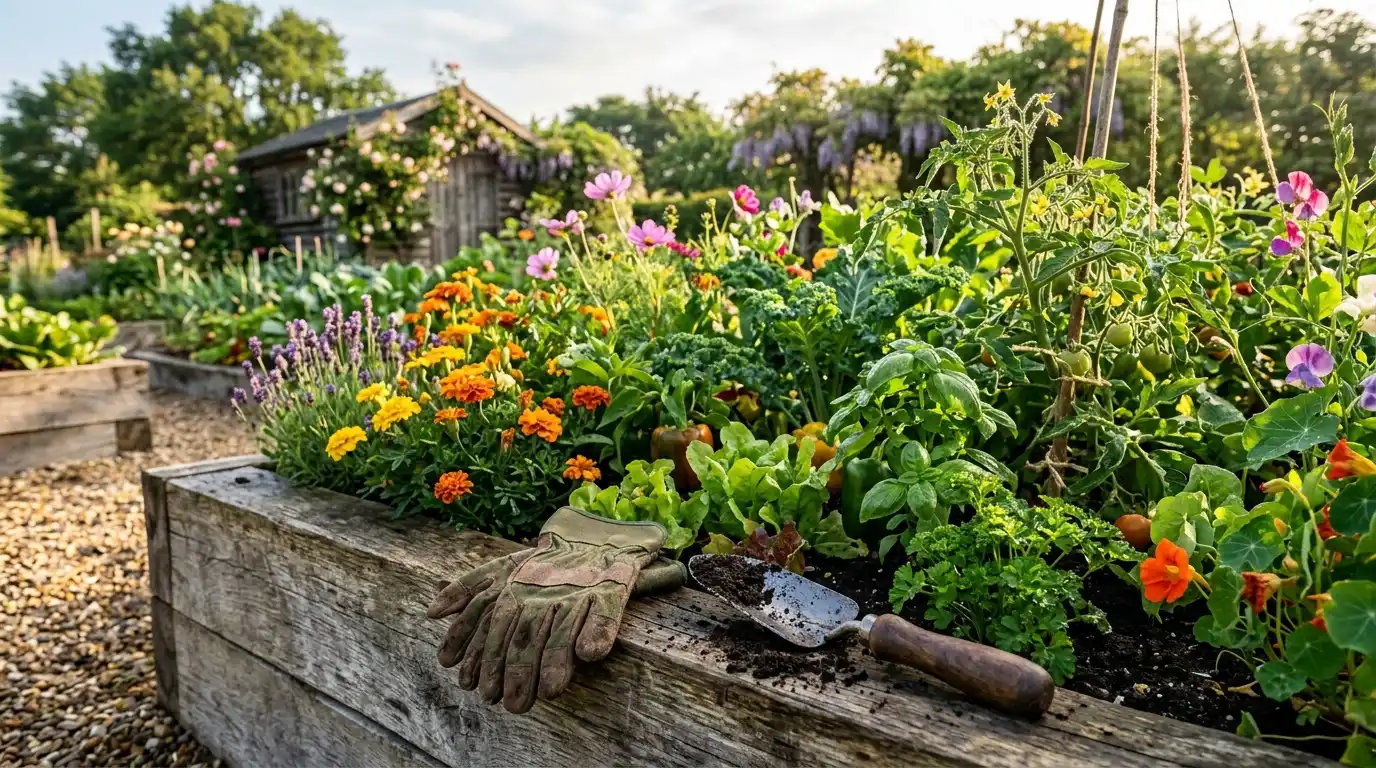
A simple and highly effective solution for most gardeners — particularly beginners — is to bypass the uncertainty of in-ground soil quality by building raised beds filled with a purpose-made growing mix. A standard raised bed mix of one-third compost, one-third topsoil, and one-third coarse material like perlite or aged wood chips delivers an excellent growing medium that most crops will thrive in immediately. For in-ground planting, incorporating generous quantities of compost — working it into the top 12 inches of soil before planting — dramatically improves soil structure, drainage, and nutrient availability across all soil types.
Deciding Between In-Ground, Raised Beds, and Containers
The choice of growing method significantly affects what you can grow, how much work is involved, and what results you can realistically expect. Each approach has genuine advantages that suit different situations, and many gardeners use a combination of all three across their growing space.
In-ground planting is the most traditional approach and is well-suited to large spaces where the native soil is reasonably good. It is the most labor-intensive to establish — requiring significant soil preparation — but once a productive in-ground garden is established, it is self-sustaining in a way that raised beds and containers are not. Raised beds are the most popular choice for beginner and intermediate gardeners because they offer complete control over soil quality, drain well, warm up faster in spring, and create a physically defined growing space that is easy to manage. Container gardening is the most accessible approach for those with limited outdoor space — patios, balconies, rooftops, and even indoors near bright windows can all support productive container gardens for herbs, salad greens, tomatoes, and peppers.
What to Grow: Choosing Crops, Vegetables, and Fruits for Your Garden
Best Vegetables for Beginner Gardens
The best first vegetables to grow are those that are productive, relatively forgiving of beginner mistakes, and rewarding in terms of harvest volume relative to the space they occupy. Cherry tomatoes are the single most commonly recommended beginner vegetable — they are enormously productive, tolerant of imperfect conditions, and deliver the singular satisfaction of eating a sun-warmed tomato straight from the vine. Zucchini is another beginner favorite for its almost comic productivity — a single well-grown zucchini plant can supply more than most households need through summer. Bush beans, cucumbers, and salad greens round out a classic beginner vegetable garden that will produce well with basic care.
Root vegetables — carrots, radishes, beets, and turnips — are excellent additions to any kitchen garden once the basics are established. They require little space, can be sown in succession for continuous harvests, and fill the garden with productive crops between the larger, more space-hungry vegetables. Brassicas — including broccoli, cabbage, kale, and Brussels sprouts — are cool-season crops that extend the productive garden season into late autumn and early spring when warm-season vegetables have finished. Building a diverse vegetable garden that includes both warm- and cool-season crops maximizes your harvesting window significantly.
Growing Fruits in Your Garden
Fruit growing at home occupies a different timescale from vegetable gardening — most fruit plants require a season or two to establish before producing meaningful harvests — but the long-term rewards are substantial. Strawberries are the most accessible fruit for beginner gardeners: they establish quickly, produce within their first season in most cases, spread naturally to fill their allotted space, and deliver a harvest that tastes categorically different from commercially grown alternatives. A strawberry bed established in spring will be productive for three to five years with minimal ongoing investment.
Raspberries and blackberries are similarly excellent choices for a beginner fruit garden — they are vigorous, productive, and surprisingly low-maintenance once established, requiring primarily a support structure and annual pruning to perform at their best. Blueberries are more demanding in their soil requirements — they need acidic conditions that many gardens do not naturally provide — but for gardeners willing to prepare a dedicated acidic growing area, they deliver harvests of extraordinary quality across decades of productive life. Dwarf fruit trees — apples, pears, plums, and cherries in compact varieties — are achievable even in modestly sized gardens when grown on dwarfing rootstocks that control their ultimate size.
Herbs: The Most Rewarding Crops Per Square Foot
No category of garden crop delivers more value per square foot than culinary herbs, and they deserve a dedicated space in every productive kitchen garden. Basil, grown from seed in a warm, sunny position, produces abundant harvests throughout summer and is the foundation of pesto, caprese, and countless other dishes. Rosemary, thyme, sage, and oregano are perennial herbs in most temperate climates — meaning they are planted once and return reliably each year, requiring only occasional pruning to remain productive and tidy. Mint is extraordinarily vigorous — to the point where it is best grown in a container to prevent it from spreading invasively through the garden — but delivers generous harvests of fresh leaves throughout the growing season.
Chives, parsley, cilantro, and dill complete a well-rounded herb garden that supplies a household kitchen with fresh flavoring herbs across the entire growing season. The cost savings compared to buying fresh herbs at retail are significant — a single established herb garden realistically replaces dozens of purchased herb bunches per season. The difference in flavor between a sprig of rosemary cut fresh from the garden moments before use and a packaged supermarket equivalent is also genuinely dramatic, which is something every first-time herb grower discovers with considerable satisfaction.
How to Grow a Garden: Planting, Caring, and Harvesting
Starting from Seeds vs. Transplants
One of the first practical decisions in any garden project is whether to start crops from seed or to purchase transplants — young plants already started by a nursery. Both approaches are valid, and the right choice depends on your available time, budget, and the specific crops you want to grow. Starting from seed is significantly more economical — a packet of tomato seeds costing $3–$5 will produce thirty or more plants, compared to $4–$6 per individual transplant at a garden center. It also gives access to a far wider range of varieties than nurseries typically stock, which is particularly appealing for gardeners interested in heirloom or specialty crops.
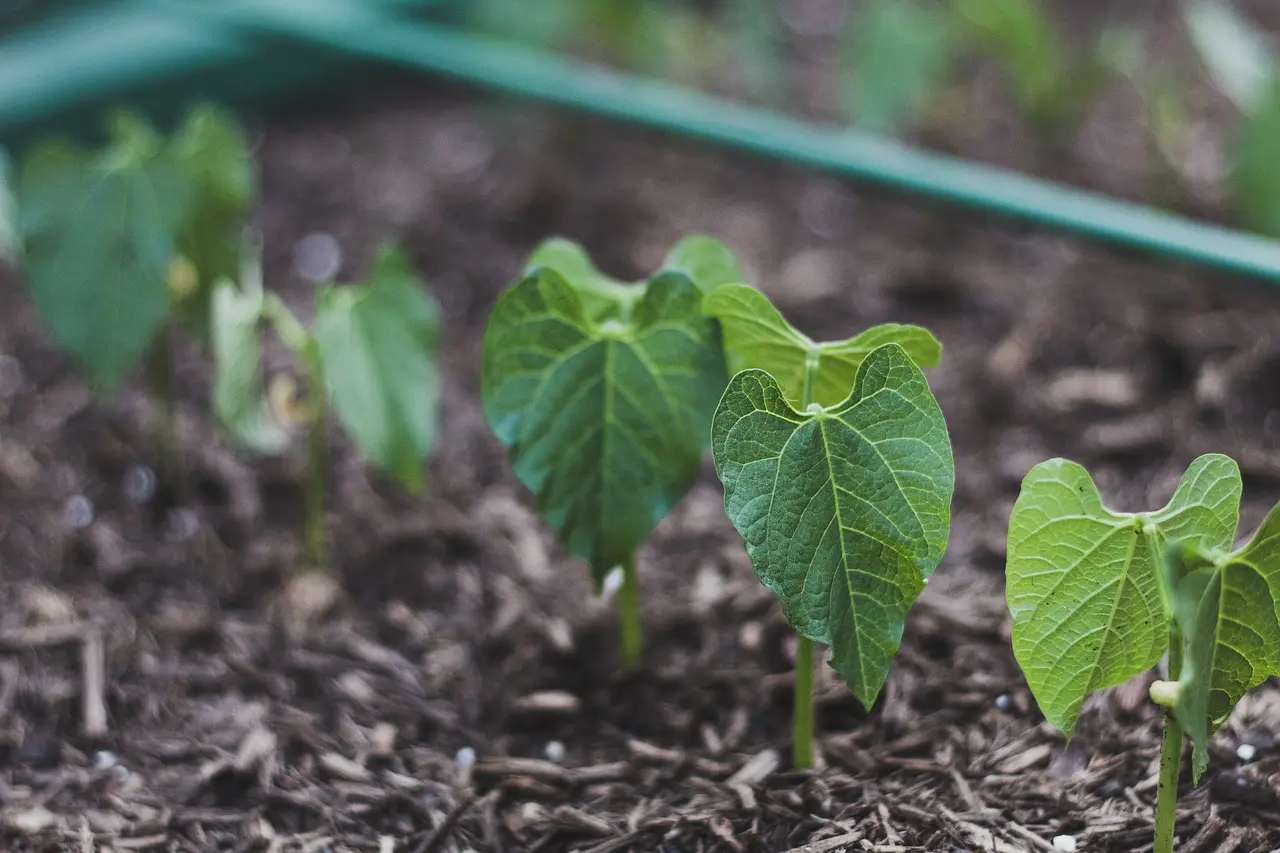
However, seed starting requires time, space, and attention during the critical early weeks — seeds need warmth to germinate, consistent moisture, and adequate light to develop into robust transplants ready for the garden. For first-time gardeners, beginning with nursery transplants for the most demanding crops — tomatoes, peppers, eggplant, and brassicas — while direct-sowing faster-growing crops like beans, squash, salad greens, and root vegetables into the garden is a practical hybrid approach that balances simplicity with economy and variety.
Watering: The Most Critical Ongoing Task
Consistent, appropriate watering is the most important ongoing task in any productive garden. Most vegetables need approximately one inch of water per week — either from rainfall or supplemental irrigation — to grow well. The key principle is to water deeply and infrequently rather than shallowly and frequently. Deep watering encourages plant roots to grow downward into the soil in search of moisture, developing the robust root systems that support healthy, productive plants. Shallow daily watering keeps moisture near the surface and encourages shallow root development that leaves plants vulnerable to heat and drought stress.
Morning is the optimal time to water — it allows foliage to dry through the course of the day, reducing the risk of fungal diseases that thrive in persistent moisture. Watering at the base of plants rather than overhead also reduces foliar disease pressure significantly. Drip irrigation and soaker hose systems are worth the modest investment for any serious kitchen garden — they deliver water directly to the root zone with high efficiency, dramatically reduce water use compared to overhead irrigation, and can be automated with a simple timer that removes the daily watering obligation entirely.
Feeding Your Garden Crops
Plants are hungry, particularly in the intensive conditions of a productive vegetable garden where the goal is maximum yield from a limited space. A vegetable garden needs regular feeding to sustain the growth and production rates that gardeners expect from it. Compost is the single most beneficial soil amendment and plant food available — worked into the soil before planting and applied as a mulch through the growing season, it provides a broad spectrum of nutrients in a slow-release form that supports steady, healthy growth without the risk of over-feeding.
Balanced granular fertilizers applied at planting and again at mid-season supplement compost feeding for heavy-feeding crops like tomatoes, corn, and brassicas. Liquid fertilizers — fish emulsion, seaweed extract, and compost tea are all excellent options — can be applied directly to the root zone or as foliar feeds during active growth periods for an immediate nutrient boost. For fruit crops, a fertilizer with a higher potassium content supports flowering and fruit development more effectively than a nitrogen-heavy general-purpose feed.
Managing Pests and Diseases
Every garden encounters pests and diseases — it is an inevitable part of growing food in a living ecosystem. The most effective approach is an integrated one that relies primarily on prevention and cultural practices rather than chemical intervention. Healthy plants grown in fertile soil with appropriate sunlight, water, and spacing are dramatically more resistant to both pests and diseases than stressed plants grown in poor conditions. This fundamental truth means that investing in soil quality, appropriate variety selection, and correct spacing delivers better pest and disease resistance than any spray program.
Physical barriers — row covers of fine mesh fabric that exclude flying insects, copper tape that deters slugs, and netting that protects fruit from birds — are highly effective and entirely chemical-free. Hand-picking of caterpillars, slugs, and other visible pests is time-consuming but satisfying and appropriate for small garden areas. Where intervention is needed beyond physical methods, organic options including insecticidal soap, neem oil, and diatomaceous earth address most common garden pest problems without the residue concerns of synthetic pesticides.
Seasonal Gardening Guide: What to Plant and When
Spring Planting Guide
Spring is the most exciting and productive period in the gardening calendar — the moment when the potential of the season ahead begins to be realized in soil. Cool-season crops — peas, spinach, lettuce, kale, broccoli, radishes, and carrots — can be planted outdoors several weeks before the last frost date in your area, as they tolerate light frost and actually prefer the cooler temperatures of early spring. These crops will bolt — go to seed prematurely — in the heat of summer, making spring their optimal growing window.
Warm-season crops — tomatoes, peppers, cucumbers, squash, beans, and corn — must wait until after the last frost date before going into the garden. In most temperate climates, this falls between late April and late May depending on location. Starting these crops indoors six to eight weeks before the expected transplanting date allows gardeners to get a significant head start on the season, producing larger, more productive plants than those direct-sown into the garden at the last frost date.
Summer Maintenance and Succession Planting
Summer is the season of maximum garden productivity and maximum garden labor. Established crops need consistent watering, regular feeding, vigilant pest monitoring, and timely harvesting to perform at their best. Tomatoes need staking or caging as they grow — unpruned indeterminate varieties can reach six feet or more and require substantial support. Regular harvesting of beans, cucumbers, and zucchini is essential because these crops stop producing if fruits are left to mature on the plant — the more you harvest, the more the plant produces.
Succession planting — sowing small quantities of fast-maturing crops like salad greens, radishes, and beans every two to three weeks — ensures a continuous harvest rather than a single glut followed by a gap. As early spring crops like peas and spinach finish, the space they occupied can be cleared and replanted with summer and autumn crops — a practice called double cropping that maximizes the productive use of available garden space across the season.
Autumn and Winter Growing
The garden does not need to stop producing when summer ends — with the right crops and a modest amount of protection, many gardens can supply fresh vegetables well into winter and even through it entirely in mild climates. Kale, chard, spinach, and many Asian greens are extremely cold-hardy and continue producing through autumn and into winter with no protection required in most temperate climates. Root vegetables left in the ground — carrots, parsnips, beets, and celeriac — actually improve in flavor after the first frosts, as the cold converts their starches to sugars.
Cold frames — simple box structures with a transparent lid that trap solar heat and protect plants from frost — extend the growing season by four to six weeks in either direction. An unheated greenhouse extends it further still, making year-round salad and herb production achievable in most climates. Covering beds with a thick layer of compost or mulch after the final harvest protects soil structure through winter and sets up the next season’s planting with an ideal growing medium ready to go in spring.
Grow a Garden Online: The Fun Way to Learn Gardening Basics
Beyond the physical garden, there is now a genuinely engaging digital way to explore the principles of growing crops, vegetables, and fruits before — or alongside — doing it in real life. The grow a garden tool brings the experience of planting, tending, and harvesting a virtual garden to anyone with an internet connection, making the fundamental rhythms of crop growth accessible and enjoyable in an interactive format.
This kind of gardening tool or game is more valuable than it might initially appear. Understanding which crops to plant in which season, how long different vegetables take to mature, the relationship between watering and growth rates, and the satisfaction of harvesting a crop you have tended from seed — all of these concepts translate directly from the digital garden to the physical one. Many experienced gardeners use planning tools to work out crop rotations, spacing, and succession planting schedules before committing to them in the soil — a digital garden is a no-stakes environment to experiment with ideas and develop intuition for how plants grow and respond to care. Whether you use it as a starting point for learning, a planning companion, or simply an enjoyable way to engage with the world of growing, grow a garden offers a genuinely useful and fun entry point into one of the most rewarding pursuits available.
Common Beginner Gardening Mistakes and How to Avoid Them
Every new gardener makes mistakes — it is an inevitable and actually valuable part of the learning process. Understanding the most common ones in advance, however, saves a season of disappointing results and allows a first-time grower to begin with realistic expectations and well-prepared beds.
Planting too much too soon is the classic beginner mistake — the excitement of a seed catalog or a nursery visit leads to an overcrowded, overwhelming garden that is impossible to manage well. Starting with a small, well-managed garden and expanding once the basics are understood is always more productive than planting an ambitious area poorly. Planting at the wrong time — putting warm-season crops out before the last frost date, or missing the optimal window for cool-season sowing — is the second most common source of first-season disappointment. Ignoring spacing recommendations on seed packets and plant labels creates overcrowded conditions where plants compete for light, water, and nutrients and where diseases spread easily between touching foliage.
Underwatering during establishment — the critical first two weeks after transplanting — is responsible for a significant proportion of plant failures in new gardens. New transplants have limited root systems and cannot access moisture from a wide soil volume, making them vulnerable to moisture stress during hot weather even in soils that feel adequately moist at depth. Daily watering of newly transplanted seedlings until they show signs of vigorous new growth — typically ten to fourteen days — is non-negotiable for successful establishment.
Quick-Answer Section
What is the easiest thing to grow in a garden?
Zucchini, cherry tomatoes, lettuce, radishes, and bush beans are consistently the most productive and forgiving crops for beginner gardeners. They germinate reliably, grow quickly, and produce generous harvests with basic care.
How do I start a garden from scratch?
Choose a sunny location with at least six hours of direct sunlight, prepare or build your growing area with quality soil or a raised bed mix, start with a small selection of easy crops, and water consistently. Begin in spring after the last frost date for warm-season vegetables.
What vegetables grow fastest in a garden?
Radishes mature in as little as 25 days from sowing. Salad leaves, spinach, and arugula are harvestable within 30–45 days. Bush beans, zucchini, and cucumbers produce their first harvest within 50–60 days of planting.
How much sun does a vegetable garden need?
Most food crops need a minimum of six hours of direct sunlight per day. Tomatoes, peppers, cucumbers, and squash perform best with eight or more hours. Leafy greens and herbs tolerate four to six hours of partial shade.
Can I grow fruits and vegetables in containers?
Yes — tomatoes, peppers, strawberries, lettuce, herbs, and many other crops grow productively in containers with adequate drainage, quality potting mix, regular watering, and consistent feeding. Dwarf fruit tree varieties are specifically bred for container culture.
Conclusion
Growing a garden connects you to something fundamental — the cycle of planting, tending, and harvesting that has sustained human life across every culture and era. Whether you begin with a single raised bed of salad greens and herbs or dive into a full kitchen garden of vegetables and fruits, the rewards are immediate and lasting. Fresh food, physical wellbeing, financial savings, and the quiet satisfaction of eating something you grew yourself — these are pleasures that no supermarket visit can replicate. Start small, learn steadily, and let the garden grow with you.
Frequently Asked Questions
When is the best time to start a garden?
Spring is the primary planting season for most food crops. Cool-season vegetables can go in several weeks before the last frost date; warm-season crops follow after it. In mild climates, autumn planting extends the season significantly.
How much space do I need to grow a garden?
Even a single 4×8 foot raised bed can produce a meaningful quantity of vegetables across a season. A productive kitchen garden for a family of four typically requires 200–400 square feet of growing space, though container gardens on a patio or balcony can supply herbs and salad greens with no ground space at all.
Do I need special tools to grow a garden?
A trowel, a hand fork, a watering can or hose, and a garden fork or spade for soil preparation cover the basic toolkit for most beginner gardens. Specialized tools add convenience but are not necessary for productive results in a small to medium home garden.
What is crop rotation and why does it matter?
Crop rotation means moving plant families to different bed locations each growing season to prevent the buildup of soil-borne diseases and pests specific to each plant family. It is one of the most effective and cost-free disease management strategies available to home gardeners.
How do I know when vegetables are ready to harvest?
Harvest indicators vary by crop — tomatoes should be fully colored and give slightly to gentle pressure; zucchini is best at 6–8 inches; beans snap cleanly and show no visible seeds through the pod. Seed packets and plant labels typically include days-to-maturity figures that provide a useful harvest timing guide.
Is gardening suitable for children?
Absolutely — gardening is one of the most educational and engaging outdoor activities available to children of all ages. Fast-maturing crops like radishes, sunflowers, and cherry tomatoes are particularly well-suited to young gardeners because they deliver visible results quickly enough to maintain a child’s interest and enthusiasm.