If you’re wondering how to remove wallpaper without chemicals, start by peeling away loose sections, soaking stubborn backing with warm water, and gently scraping off the softened paper. You can also use diluted vinegar, mild dish soap, or a wallpaper steamer when water alone isn’t enough.
I prefer starting with the simplest method because aggressive scraping and unnecessary cleaning products can damage otherwise healthy walls. The trick is identifying what kind of wallpaper you’re dealing with and letting moisture loosen the adhesive before you start pulling.
How to Remove Wallpaper Without Chemicals: Step by Step
You don’t need expensive wallpaper removers for every project. A few basic supplies and some patience can make a surprising difference.
Prepare the Room and Test a Small Area
Before removing anything, I recommend covering floors with plastic sheeting or old towels. Move furniture away from the walls, protect baseboards, and switch off electricity to nearby outlets before working around them.
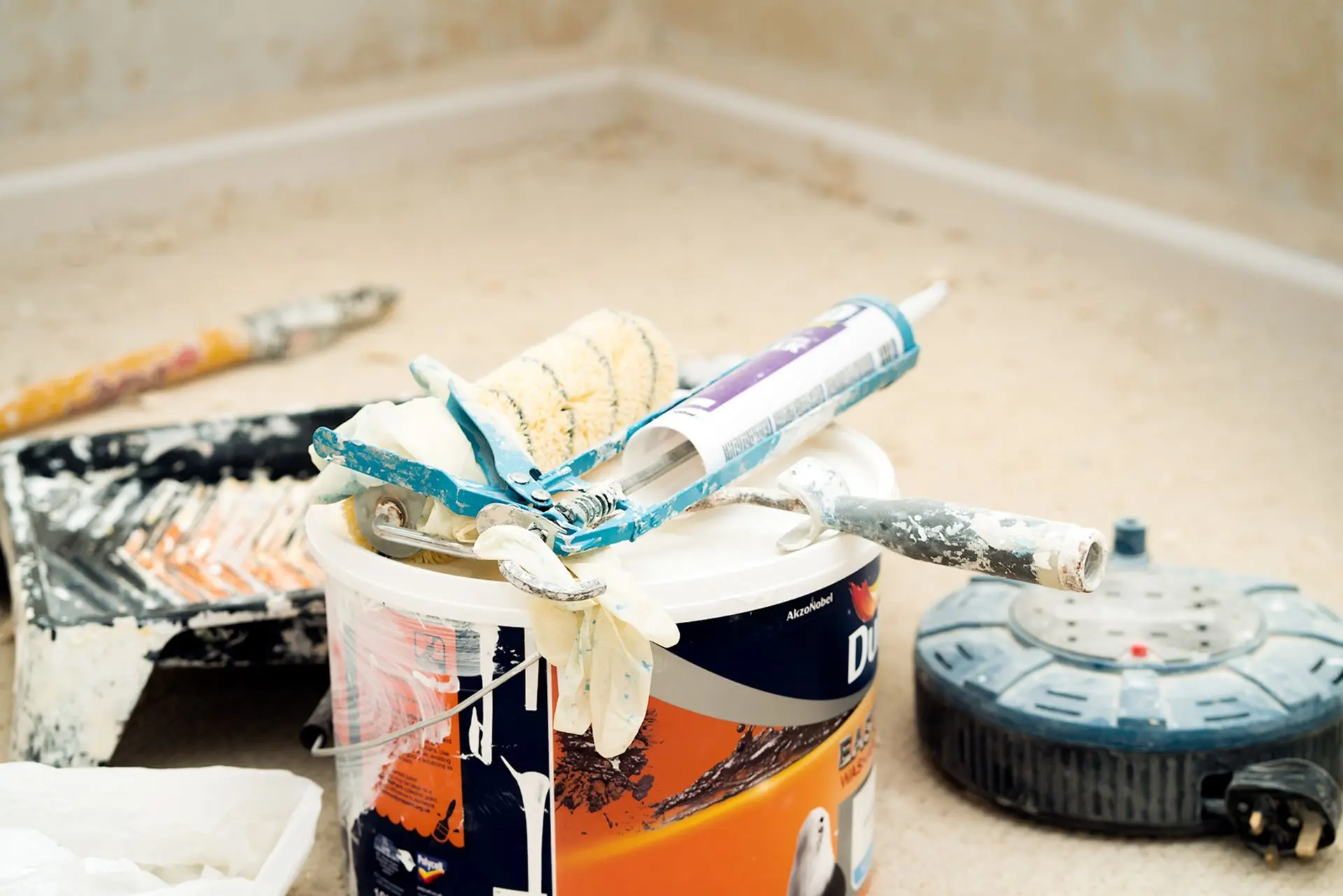
Gather a plastic scraper, sponge, spray bottle, warm water, and a bucket. Test a small, inconspicuous corner first to see whether the wallpaper peels easily or needs moisture.
Peel Away the Loose Wallpaper First
I always try dry peeling before reaching for water. Some modern wallpapers release almost effortlessly, while older coverings may leave their backing firmly attached.
Start with these simple steps:
- Lift a loose corner using your fingernail or a plastic scraper.
- Pull the wallpaper slowly at a shallow angle.
- Keep steady pressure rather than jerking it away.
- Stop if the drywall facing starts lifting with the paper.
Removing the decorative layer first can expose the absorbent backing, making the next step much easier.
Soften Stubborn Wallpaper With Warm Water
Fill a spray bottle with comfortably warm water and lightly wet a manageable section of wallpaper backing. I usually suggest allowing about five to ten minutes for the moisture to soften the paste, adjusting according to how quickly the wall absorbs it.
Use a damp sponge if you need more controlled application. Don’t soak drywall until water runs down the surface, and never spray electrical fittings.
Gently Scrape Off the Paper Backing
Once the backing softens, slide a plastic scraper underneath it at a shallow angle. The wallpaper should begin releasing without requiring much force.
For cleaner removal:
- Work on small sections rather than wetting the entire room.
- Keep the scraper nearly flat against the wall.
- Reapply moisture when the backing becomes dry.
- Collect removed paper immediately to limit mess.
If you have to force the scraper, I’d soften the paper again instead of risking a gouge.
Which Chemical-Free Wallpaper Removal Method Works Best?
Different wallpapers respond differently to moisture. I recommend starting with plain water and moving to another method only when the adhesive refuses to loosen.
| Method | Best for | Main drawback |
|---|---|---|
| Warm water | Paper backing and ordinary paste | May require several applications |
| Vinegar and water | Some stubborn adhesive residue | Strong smell; may affect sensitive finishes |
| Mild dish soap | Sticky backing and washable surfaces | Requires thorough rinsing |
| Wallpaper steamer | Older or multiple wallpaper layers | Heat and moisture can damage walls |
Plain Warm Water for Easy-to-Remove Wallpaper
Warm water is my first choice because it’s inexpensive and leaves no added cleaning-product residue. It works particularly well after the outer wallpaper layer has been removed.
Use enough moisture to soften the adhesive without saturating the wall. I’d rather repeat a gentle application than create unnecessary water damage.
Vinegar and Water for Stubborn Adhesive
White vinegar can help loosen some wallpaper adhesives, especially when water alone hasn’t worked. A commonly suggested starting mixture is equal parts white vinegar and warm water.
Here’s how I’d approach it:
- Test the diluted solution on a hidden area.
- Apply it lightly to the remaining backing or adhesive.
- Allow several minutes for the paste to soften.
- Scrape gently and rinse with clean water.
Vinegar isn’t suitable for every surface, particularly certain delicate finishes or natural stone nearby. Skip it if your wall or surrounding materials react poorly.
Mild Dish Soap and Water for Sticky Backing
A small amount of mild dish soap mixed into warm water can help wet stubborn paper and lift some residue. You don’t need a heavily concentrated solution.
I prefer applying it with a sponge and then wiping the wall with clean water afterward. Excess soap can leave a film that interferes with future paint or primer.
A Wallpaper Steamer for Old or Multiple Layers
When wallpaper has been attached for decades or several layers have accumulated, a steamer may save considerable scraping effort. Hot steam penetrates suitable paper layers and softens the underlying paste.
Hold the steaming plate against one section for the manufacturer’s recommended duration, then peel or scrape while the adhesive remains softened. Keep the plate moving as directed, wear heat-resistant gloves, and avoid prolonged steaming on vulnerable drywall or loose plaster.
How Do You Remove Different Types of Wallpaper?
Wallpaper construction matters more than many people realize. Before choosing a removal method, I’d check whether the covering is peelable, vinyl-coated, or made from traditional paper.
| Wallpaper type | Starting method | Difficulty |
|---|---|---|
| Peel-and-stick | Slow dry peeling | Usually easy |
| Strippable | Lift and pull the top layer | Easy to moderate |
| Vinyl-coated | Remove outer layer, wet backing | Moderate |
| Traditional paper | Warm water and gentle scraping | Moderate |
| Painted-over or layered | Test peeling, then controlled moisture | Often difficult |
Peel-and-Stick and Strippable Wallpaper
Many peel-and-stick coverings can be removed without water. Lift an edge and pull slowly according to the manufacturer’s instructions, keeping the angle low to reduce wall damage.
Strippable wallpaper may release its face layer while leaving a paper backing. If that happens, warm water usually becomes the next step.
Vinyl-Coated, Washable, and Foil Wallpaper
These coverings resist moisture, which means spraying their outer surface may accomplish very little. I recommend trying to separate the impermeable face layer before wetting what’s underneath.
If that doesn’t work:
- Test whether the surface can be lightly scored.
- Use minimal pressure to avoid puncturing drywall.
- Apply warm water to the exposed backing.
- Remove softened sections with a plastic scraper.
Scoring isn’t automatically necessary. I’d skip it whenever peeling already exposes the backing.
Old Wallpaper, Multiple Layers, and Painted-Over Paper
Older wallpaper often requires additional patience because adhesives can harden over time. Paint covering the wallpaper may also prevent water from reaching the paste.
Test a small area to determine how the layers separate. If moisture and careful scraping aren’t working, a steamer may help, although forcing removal can cause more damage than the wallpaper itself.
How to Remove Wallpaper Without Damaging Drywall or Plaster
The biggest mistake I see in wallpaper-removal advice is treating drywall and plaster as identical. Both need careful handling, but they react differently to moisture and scraping.
Removing Wallpaper From Drywall
Drywall has a paper-facing layer that can tear when wallpaper adhesive holds tightly. Once that facing becomes wet, aggressive scraping can easily pull it away.
I’d use a plastic scraper, apply moisture sparingly, and stop immediately if the wall’s brown paper begins showing. Damaged drywall facing usually needs a suitable sealer and repair before painting.
Removing Wallpaper From Plaster Walls
Plaster often tolerates careful scraping better than drywall, but older plaster may already be fragile or separating from its base. That’s why I recommend testing a small section before applying steam or water widely.
If the plaster crumbles, sounds hollow, or releases with the wallpaper, stop pulling. Repairing unstable plaster requires a different approach from ordinary wallpaper removal.
Scoring, Steam, and Electrical Safety
Moisture, heat, and sharp tools create risks that are easy to overlook during a DIY project.
My main precautions are:
- Turn off power to affected circuits before working near outlets and switches.
- Never direct steam or spray into electrical fittings.
- Avoid pressing scoring tools deeply into the wall.
- Protect your hands from steam and hot water.
- Stop if the wall becomes soft, blistered, or unstable.
Homes built before 1978 may contain lead-based paint. If removal will disturb old painted surfaces, follow EPA lead-safe guidance rather than dry-sanding or aggressively scraping them.
How to Remove Wallpaper Glue Without Chemical Strippers
Removing the paper doesn’t always mean the job is finished. Leftover paste can feel sticky, create bumps, and interfere with paint adhesion.
Wash Away Wallpaper Glue With Warm Water
I start by wiping the wall with a clean sponge dipped in warm water. Let the moisture soften residual adhesive, then remove it using gentle pressure.
Rinse your sponge frequently and replace cloudy water. Otherwise, you’re spreading dissolved glue across the surface instead of removing it.
Deal With Stubborn Sticky Residue
Some adhesive remains slippery or tacky after several passes. In that situation, I’d repeat the water treatment before considering diluted vinegar.
Try this approach:
- Dampen the sticky area without flooding it.
- Allow the paste a few minutes to soften.
- Lift thick residue using a plastic scraper.
- Wipe away loosened glue with a clean sponge.
- Rinse again and inspect after drying.
Avoid sanding wet glue. It can clog sandpaper, spread residue, and damage the underlying finish.
Check That the Walls Are Clean Before Painting
Run a clean, slightly damp hand or sponge across a test area after the wall has dried. Persistent tackiness or visible paste indicates additional cleaning may be needed.
I’d also check seams, corners, and areas near the ceiling, where adhesive is easily overlooked. Paint applied over remaining water-soluble paste can develop adhesion problems.
Why Won’t My Wallpaper Come Off? Common Problems and Fixes
Sometimes the paper barely moves, regardless of how carefully you work. Usually, the issue is the wallpaper’s outer coating, hardened adhesive, or insufficient moisture reaching the backing.
Wallpaper Keeps Tearing Into Small Pieces
Brittle wallpaper may break into small fragments instead of releasing in sheets. This happens frequently with older paper or sections where the adhesive hasn’t softened evenly.
I recommend working from an intact seam, wetting smaller areas, and giving the water enough time to penetrate. Constantly pulling tiny dry pieces usually makes the job more frustrating.
The Backing Is Still Stuck to the Wall
If the decorative layer comes off but the paper backing remains, that’s a normal removal problem.
Here’s what I’d do:
- Spray the exposed backing lightly with warm water.
- Wait until it feels softened.
- Lift a corner using a plastic scraper.
- Repeat the application on stubborn sections.
For large areas that resist repeated soaking, a carefully used steamer may be more efficient.
The Wall Surface Starts Peeling or Crumbling
If drywall paper starts tearing or plaster breaks away, I’d stop immediately. Continuing to scrape often turns a small repair into a much larger one.
Allow the surface to dry and assess the damage. Minor drywall tears can sometimes be sealed and patched, while loose or deteriorating plaster may need professional repair.
How to Prepare Walls After Removing Wallpaper
A freshly stripped wall isn’t automatically ready for paint. Even when the wallpaper is completely gone, the surface may contain moisture, adhesive, or small imperfections.
Let the Walls Dry and Inspect for Damage
I recommend giving the walls sufficient time to dry before making repairs or applying primer. Depending on humidity and how much water was used, drying may take a day or longer.
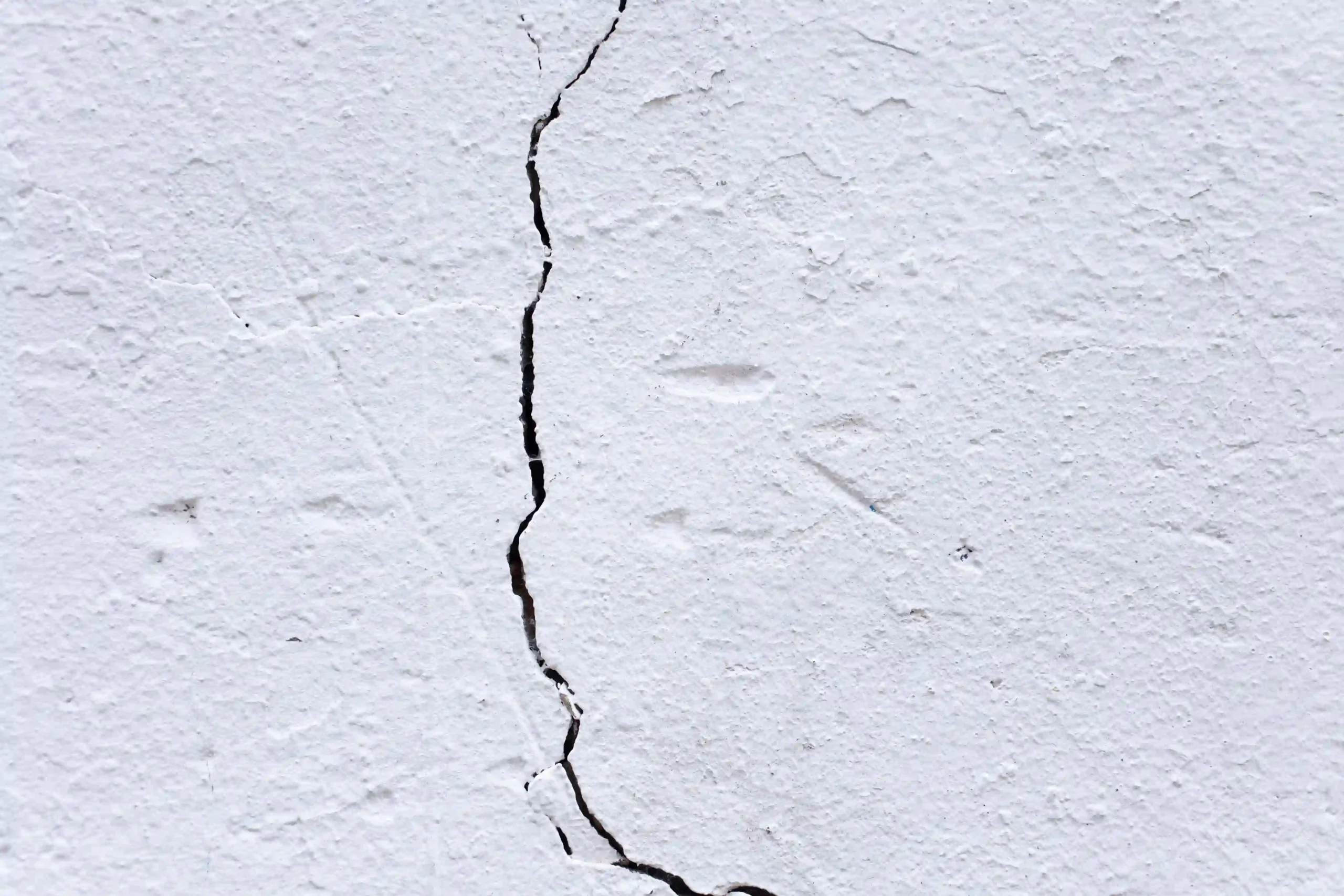
Inspect the surface under good lighting. Look for lifted drywall facing, uneven areas, glue patches, and cracks that were hidden behind the wallpaper.
Patch Holes and Smooth Rough Areas
Minor scrapes and dents can usually be repaired with an appropriate patching compound once the surface is stable and dry.
For a smoother finish:
- Seal exposed drywall paper before applying repair compound.
- Fill small holes or damaged areas.
- Apply a skim coat if the surface is broadly uneven.
- Sand cured repairs gently, using appropriate dust protection.
I wouldn’t sand old painted material in a potentially lead-containing home without the required precautions.
Prime the Walls Before Painting or Re-Wallpapering
Primer helps create a more consistent surface after wallpaper removal. It also reduces problems caused by differences between repaired areas and the original wall.
If some old adhesive cannot be removed completely, check whether a specialty sealer is appropriate for the remaining residue. Follow the product instructions and confirm the surface is dry before painting or hanging new wallpaper.
How Long Does Wallpaper Removal Take and What Does It Cost?
Wallpaper removal might take a few hours for a small, easily stripped wall or several days for a room with stubborn layers. I wouldn’t promise a fixed completion time because adhesive condition, wall material, and room size make a huge difference.
The following are approximate U.S. DIY supply budgets, not live store prices.
| Supply | Estimated cost |
|---|---|
| Spray bottle | $3–$10 |
| Plastic scraper | $3–$12 |
| Sponge and cleaning cloths | $5–$15 |
| Protective floor covering | $5–$20 |
| Vinegar or dish soap | $2–$8 |
| Wallpaper steamer | $40–$100+ to purchase |
My advice on how to remove wallpaper without chemicals is simple: start with warm water and careful peeling, then consider soap, diluted vinegar, or steam only when necessary. A clean, undamaged wall matters more than finishing quickly, especially when you’re preparing it for fresh paint or a beautiful new wall covering.
Frequently Asked Questions
Can I remove wallpaper using only water?
Yes, warm water can loosen many traditional wallpaper adhesives once the absorbent backing is exposed. I recommend testing a small section first because vinyl coatings and some modern adhesives resist water.
Is vinegar or dish soap better for removing wallpaper?
Neither is automatically better for every wallpaper. I’d start with plain warm water, try a little dish soap for sticky backing, and consider diluted vinegar for compatible surfaces with stubborn paste.
Can I remove wallpaper without a steamer?
Absolutely. A spray bottle, warm water, sponge, and plastic scraper are sufficient for many wallpaper-removal projects, particularly when the paper backing absorbs moisture readily.
How do I remove old wallpaper that won’t peel off?
Start by checking whether an outer coating prevents moisture from reaching the adhesive. Carefully expose the backing, apply warm water, and repeat as needed; a steamer may help with stubborn layers.
Will removing wallpaper damage drywall?
It can, especially when wallpaper adhesive bonds tightly to drywall’s paper facing. I recommend gentle scraping, minimal soaking, and stopping immediately if the drywall surface begins tearing.
Do I need to remove all wallpaper glue before painting?
Ideally, remove as much adhesive as possible because leftover paste can interfere with paint adhesion. If stubborn residue remains, allow the wall to dry and use an appropriate problem-surface sealer according to its instructions before painting.