Australian homes deal with a tough mix of environmental pressures that call for deliberate outdoor planning. With roughly 87 percent of the population living within 50 kilometres of the coast, corrosion, high UV exposure, termite activity, and bushfire risk shape every material and layout choice. Treat your outdoor area as a compact ecosystem rather than a dumping ground for overflow gear, and it will stay functional through every season.
A space-first approach to outdoor living and storage lets one compact area serve three purposes: relaxation, work and growing, and organised storage. You need region-specific guidance for corrosion-resistant materials, bushfire compliance, IP ratings for electrical fixtures, and practical dimensions that prevent daily bottlenecks. Key elements include site audits, vertical storage, built-ins, micro-sheds, drainage, climate-appropriate materials, comfort features, lighting, water management, and relocatable shelters.
Start With a Site Audit and Three-Zone Plan
A quick site audit and three clear zones free up more usable space than any shed or cabinet you could buy. Before purchasing anything, map every immovable element: doors, windows, meters, downpipes, sewer vents, easements, taps, and outdoor air-conditioning units. Sketch both footprints and heights so future overhead storage cannot clash with pergolas or eaves.
Divide your area into three zones. Place living closest to the kitchen for easy serving and supervision, typically within five to eight metres. Push work and grow activities to one side where noise and mess stay contained. Reserve storage along the least sunny or least used edge. Maintain a main path at least 900 millimetres wide so bins and mowers travel without three-point turns.
Circulation Clearances That Prevent Bottlenecks
- Set main paths at 900 millimetres clear width, and aim for 1200 millimetres near dining areas.
- Confirm cabinet and shed doors clear eaves and posts, with 300 millimetres of side clearance at corners.
- Allow a 1500 millimetre diameter turning circle near gates for bins, mowers, and wheelbarrows.
- Set overhead clearance at 2100 millimetres above paths and 2400 millimetres where you need to lift long items.
Go Vertical With Walls, Fences, and Overhead Space
Treat walls, fences, and overhead space as primary storage real estate so you gain capacity without sacrificing floor area. Screw 30 to 40 millimetre hardwood battens or aluminium channels to fence posts at 600 to 900 millimetre vertical spacing to create a flat plane for modular rails and hooks. In coastal suburbs, choose stainless steel or hot-dip galvanised fixings and rinse salt regularly to preserve coatings.
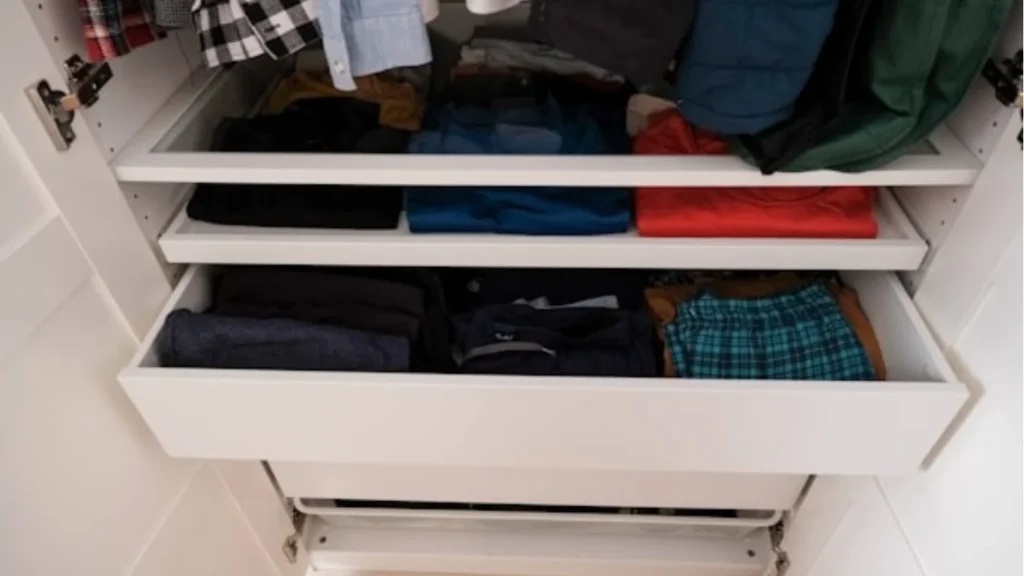
Engineer loads realistically, because most fence frames are not designed for heavy point loads. Spread weight across two or three posts and add support legs where needed. Keep frequently used items between 800 and 1600 millimetres high to reduce ladder use and injuries. Use narrow shelves at 150 to 250 millimetres depth to store pots and small tools without blocking walkways.
Overhead Racks and Living Walls
- Span between pergola beams with 40 by 40 millimetre steel angle to store ladders and boards.
- Fix each support with two or three fasteners into structural members.
- Site living walls on surfaces with adequate sun and water access, and add drip trays to avoid staining.
- Use stainless trellis wire and UV-stable clips for climbers.
Built-Ins That Double as Storage
Design every built-in to earn its keep by serving at least two functions. Bench seats with hinged tops at 430 to 460 millimetres height hide cushions and toys while providing comfortable seating. Fit gas struts or soft-close hinges to prevent finger injuries, and add drip channels plus ventilation slots to avoid condensation and mould inside storage cavities.
Use corners and vertical towers to free floor area efficiently. A triangular or 450 millimetre square footprint carries brooms, rakes, and hose reels while leaving main walkways clear. Wall-mounted drop tables at 740 to 760 millimetres height fold flat to under 100 millimetres depth. Include magnetic catches to prevent slamming in wind and fix continuous cleats into studs rather than just cladding.
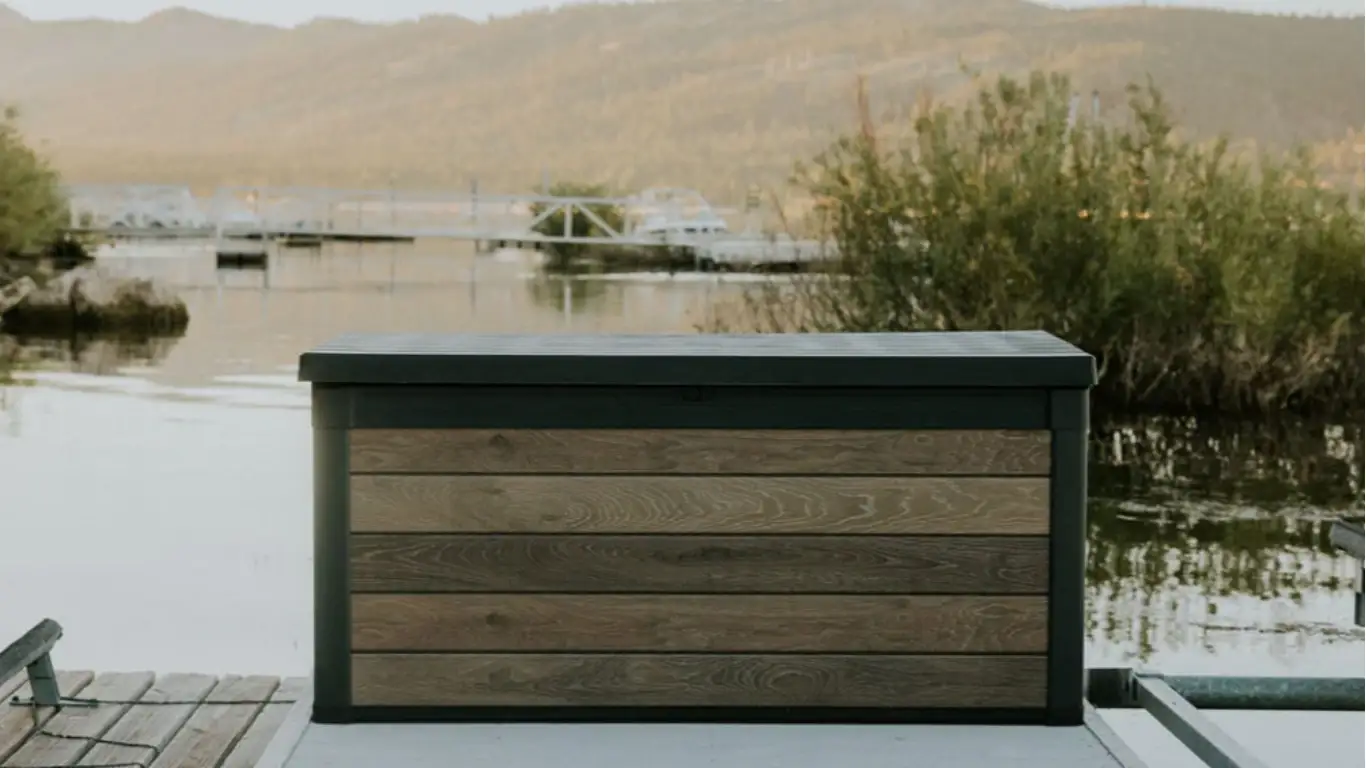
Micro-Sheds and Outdoor Cabinets That Last
Right-sizing each shed or cabinet to the task and local rules prevents compliance headaches and wasted space. In NSW, some garden sheds may qualify as exempt development if they meet size, height, and setback criteria, but thresholds vary by council. Verify via the state planning portal before purchasing any kit structure. Shallow sheds at 600 to 900 millimetres depth along fences store long items like ladders while maintaining 900 millimetre path clearance.
Ventilate storage high and low to purge fumes, and include a lockable chemical shelf at 1600 to 1700 millimetres with a child-resistant latch. Anchor to slabs with mechanical fasteners; in soft ground, set posts in concrete with galvanised base plates. Near surf, upgrade to aluminium, stainless, or marine-grade coatings and rinse monthly within 200 metres of breaking waves.
Comfort and Microclimate Without Bulk
Shade is your primary tool for both comfort and safety, with well-designed shade cutting UV exposure by up to 75 percent according to Cancer Council guidance. Select fabrics with UPF ratings per AS 4399:2020, where UPF 50 or higher blocks about 98 percent of UV. Angle shade to block low western sun for summer afternoons while allowing winter sun penetration. Use deciduous plantings where feasible to provide summer shade and winter light.
Where space is limited, heating needs to stay off the main circulation paths while still delivering enough output to matter on cool evenings, and you also have to consider clearances to walls, furniture and combustible finishes. For compact patios, a carefully planned, low-profile, outdoor-rated fixed heating solution such as a gas fireplace can provide targeted warmth without bulky portable heaters, as long as siting, ventilation and controls are handled by a licensed gasfitter to meet safety requirements.
Orient seating to catch typical summer breezes and add screens only on the windward side where gusts persist. Use 2700 to 3000 Kelvin warm colour temperature lighting for dining areas and position fixtures to avoid glare in seated sightlines. Add dimmers for flexibility between task lighting and softer evening modes.
Gas Fireplace Options for Compact Patios
A slimline outdoor-rated heating unit creates a discrete heat zone that extends shoulder seasons without cluttering floors. For compact patios that need shoulder-season warmth without wood storage, consider a compact gas-fired appliance installed by a licensed gasfitter, and look at Oblica’s range for form factors that suit narrow courtyards and alfresco rooms while keeping floorspace clear. Position units to avoid wind tunnelling zones and test placement with a smoke stick before fixing.
Use non-combustible backer panels where wall clearances are tight and route controls where they stay protected from rain and heat. Outdoor LPG appliances must operate only in well-ventilated outdoor areas to prevent carbon monoxide buildup, and in NSW licensed gasfitters must test installations and issue a certificate of compliance within five business days. Keep LPG cylinders upright and secured, with shut-off valves and child-safe fronts clearly accessible.
Surfaces and Drainage That Keep Storage Dry
Dry ground extends equipment life and reduces mould, so shaping proper falls matters more than many people realise. Set slab or paver falls at 1:80 to 1:100 away from walls and storage. Add 100 to 150 millimetre wide gravel strips along walls to break capillary splash and catch fines. Clean these strips quarterly to maintain performance.
Raise cabinets on adjustable polymer or stainless feet 30 to 50 millimetres off paving. This prevents pooling at bases and makes sweeping easy. Plumb air-conditioning condensate to garden beds or drains rather than letting it pool under cabinets. Use splash guards below downpipes and confirm gutters overflow outward during extreme rain.
Materials That Match Australian Climate Conditions
Choosing materials by exposure rather than appearance alone determines how long your outdoor living and storage investments last. Within 100 metres of breaking surf, specify stainless fasteners and marine-rated coatings. Between 100 and 200 metres, upgraded systems like COLORBOND Ultra perform well. Further inland, standard systems suffice with regular maintenance. Rinse metalwork monthly in marine zones and inspect coatings annually for chips.
For timber, use Class 1 to 2 hardwoods like spotted gum for decks and benches. If using pine, select H3 treatment above ground and H4 in ground, resealing all cut ends before installation. Avoid fixing garden beds directly to house cladding and keep 50 to 75 millimetre inspection gaps above soil in termite-risk zones. Isolate aluminium from steel with nylon gaskets to prevent galvanic corrosion.
Bushfire-Smart Design for Outdoor Structures
Your Bushfire Attack Level rating drives every material and detailing decision on bushfire-prone land. BAL classifications from LOW to FZ determine compliant cladding, deck boards, glazing, and vent screening per AS 3959. At BAL-29 and above, prefer non-combustible surfaces and ember-resistant subfloor enclosures. Close gaps larger than 2 millimetres where embers could lodge and fit metal mesh ember guards to all vents.
Position storage so leaves and debris do not collect beneath or behind it. Keep gas bottles, firewood, and fuel cans clear of structures per local fire service guidelines. Maintain a 2 to 3 metre low-fuel zone around structures using non-combustible mulch or paving. Confirm whether your land is bushfire-prone via council or a qualified assessor before starting any project.
Dome Shelter Australia for Large Equipment Storage
Large machinery, feed and bulky implements quickly overwhelm standard garages or lean-tos on working properties, which is why many owners look for flexible span structures that keep equipment accessible yet protected from weather. If you run a small farm or rural business and need relocatable, high-clearance cover for utes, tractors or hay, a dome shelter Australia offers engineered span widths that create large usable bays without internal posts. These tension-fabric structures deliver substantial sheltered volume with minimal ground footprint, making them ideal for rural blocks or tight side yards where permanent walls are impractical.
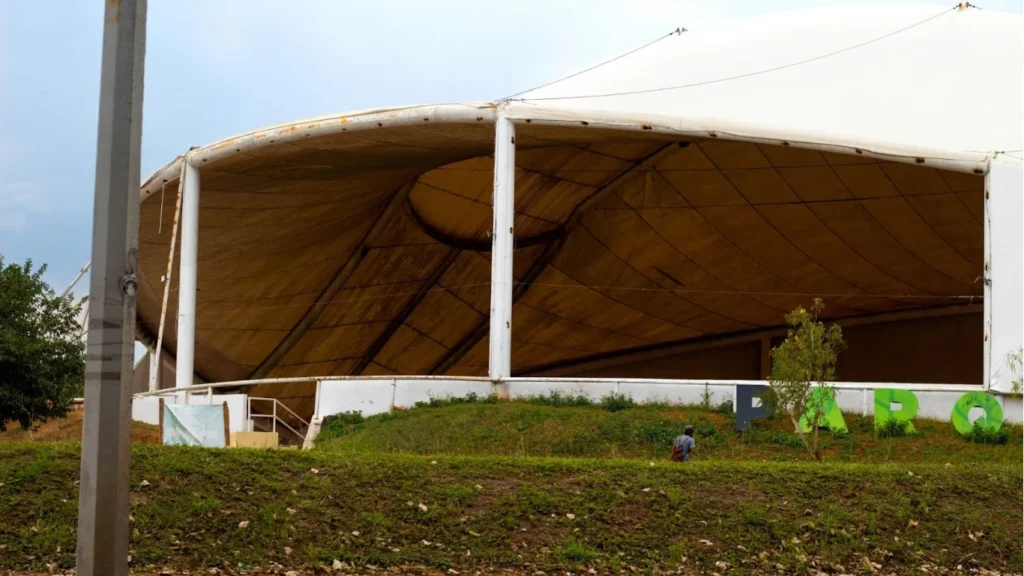
Match internal clearance to your tallest equipment plus 300 to 500 millimetres headroom for safe manoeuvring. Specify hot-dip galvanised frames and high-UV, fire-retardant fabric rated for your wind region per AS/NZS 1170.2. In cyclonic Regions C and D, expect enhanced tie-down and bracing requirements, and check whether a relocatable dome qualifies as exempt or requires council approval, as rules vary significantly.
Lighting and Power With Correct IP Ratings
Matching IP ratings to exposure ensures fixtures survive weather and users avoid electrical hazards. IP66 means dust-tight and protected against powerful water jets, while IP65 suits many splash zones under cover. Use higher ratings for coastal wind-driven rain, ensure gaskets are properly seated, and replace UV-brittled seals during routine maintenance.
House LED drivers and junctions in IP-rated enclosures, avoiding locations under planters or drip lines. Elevate general power outlets at least 300 millimetres above paving with weather-proof covers, and ensure all outdoor circuits have RCD protection and are installed by licensed electricians. Run conduits along structural lines and label circuits clearly for easy isolation.
Smarter Water With Tanks and Tidy Irrigation
Small rainwater tanks power meaningful garden wins when kept clean and properly maintained. Site slimline tanks along your least-used wall, plumb to hose taps or drip lines, and add first-flush diverters sized at roughly 10 litres per 50 square metres of roof catchment. Screen inlets and overflows with fine mesh and clean quarterly to exclude mosquitoes per NSW Health guidance.
Run drip irrigation lines under mulch with quick-connects at cabinet edges rather than across paths. Store hose reels vertically on rails with clear paths to taps. Empty and clean first-flush diverters regularly, especially after long dry spells, and bypass them during ash or fallout events to avoid contaminating your tank.
Before committing to large-span shelters or permanent structures, take stock of how your outdoor storage needs might evolve over the next decade, especially if vehicles or equipment sizes change.
Lock In Your Space-First Outdoor Area
Plan the space once to serve living, work, and storage functions, then build up the vertical plane with materials suited to your region. Shade first for comfort and safety, keep water moving away from storage, and select fixtures with ratings matching your exposure. When adding heating, lighting, water capture, or shelters, engage licensed trades and follow state and national standards so improvements remain safe, insurable, and durable.
Document your wind region, BAL, and corrosion category early to guide every product selection. Collect certificates for gas and electrical work and store them with house records. Start small with battens and rails, progress to fold-down furniture and cabinets, then commit to tanks, heating, or engineered shelters so the space stays comfortable, tidy and compliant year-round.