Trees add beauty, shade, and value to any property. They make outdoor spaces more enjoyable and can improve the overall look of your landscape. However, a tree that appears healthy may still have hidden problems that are hard to spot.
Professional tree assessments help identify risks before they become serious issues. They can reveal signs of disease, decay, pest activity, and structural weakness that may affect safety and tree health.
Read on to learn why professional tree assessments matter more than you think and how they can help protect your trees, property, and peace of mind.
Identifying Hidden Tree Problems
Not all tree problems are easy to spot. Many issues develop inside the tree long before visible symptoms appear.
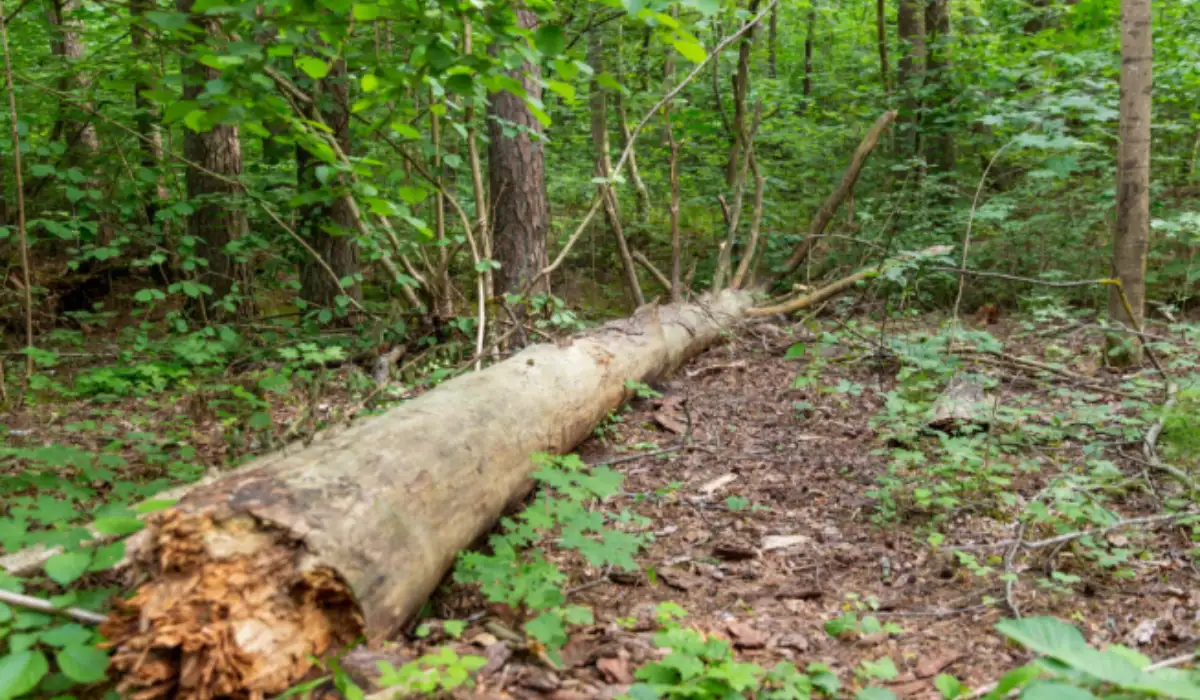
Internal decay can weaken the structure of a tree. Root damage may reduce stability and make the tree more likely to fall. Certain diseases can spread throughout the tree before changes become obvious.
Professional assessments help detect these hidden concerns early. This allows property owners to take action before the situation becomes worse.
Early detection often saves time, money, and effort while improving the chances of successful treatment.
Arborist Diagnostic Tools
While visual inspections catch surface defects, assessing internal stability requires specialized diagnostic tools:
- Acoustic Mallet Sounding: Striking the trunk base allows an arborist to listen to resonance pitch shifts, pinpointing hollow pockets and separated bark layers.
- Resistograph Micro-Drilling: A hair-thin needle drills into the trunk while recording mechanical resistance, generating a precise graph that measures wood density and detects hidden fungal voids without harming the tree.
- Sonic Tomography (PiCUS): Acoustic sensors placed around the trunk send sound waves across the wood. Software translates sound velocities into a color-coded 2D cross-section showing sound heartwood versus rotted internal cavities.
Improving Property Safety
One of the biggest reasons for tree assessments is safety. Trees that are damaged or unstable can become serious hazards.
Weak branches may break without warning. A compromised tree may fall during strong winds or storms. These situations can cause injuries and property damage.
Professional evaluations help identify trees that may present safety concerns. Corrective actions such as pruning, treatment, or removal can then be recommended.
Maintaining safe trees helps protect family members, visitors, neighbors, and property structures.
Preventing Expensive Property Damage
Trees located near homes, garages, driveways, and utility lines require special attention.
If a tree fails unexpectedly, repair costs can be significant. Falling branches can damage roofs, vehicles, fences, and outdoor equipment.
Large trees may also affect foundations, sidewalks, and underground utilities through root growth.
A professional assessment helps identify potential risks before damage occurs. Preventive action is often far less expensive than repairing property after an accident.
Supporting Long-Term Tree Health
Healthy trees can live for many years when they receive proper care. Assessments help create a clear plan for maintaining tree health.
Professionals can identify nutrient deficiencies, pest infestations, disease symptoms, and environmental stress factors.
Once problems are identified, treatment plans can be developed to improve tree health and growth.
Regular assessments allow property owners to address concerns early and support stronger, healthier trees over time.
Detecting Tree Diseases Early
Tree diseases can spread quickly if they are not treated promptly. Many diseases affect leaves, bark, branches, or roots. Some diseases may weaken the tree slowly, while others can cause rapid decline.
Early detection is important because treatment is often more effective in the beginning stages of disease.
Professional assessments help identify disease symptoms that property owners may overlook. Quick action can improve the chances of saving affected trees.
Managing Insect Infestations
Insects can cause serious damage to trees. Some pests feed on leaves, while others attack bark, wood, or root systems.
Infestations may weaken trees and make them more vulnerable to disease and environmental stress.
A professional tree assessment can identify pest activity before major damage occurs.
Proper treatment can stop infestations and help preserve tree health. Early intervention is often the key to successful pest management.
Understanding Root System Health
Roots are one of the most important parts of a tree. They provide support, absorb water, and gather nutrients from the soil.
Unfortunately, root problems are often hidden underground. Construction, soil compaction, poor drainage, and disease can all affect root health.
Professional assessments evaluate signs that may indicate root issues. Understanding root conditions helps prevent stability problems and supports healthy tree growth.
Girdling Roots and Air-Spade Soil Excavation
One of the most common causes of slow decline in suburban trees is stem girdling roots—subsurface roots that wrap around the trunk collar like a noose, cutting off vascular circulation as the trunk expands. Certified arborists use supersonic air excavators (Air-Spades) to blast compacted soil away from the root flare without damaging tender bark tissue. This exposes the root architecture, allowing arborists to sever girdling roots and correct suffocated root flares before the entire canopy starts dying back.
Evaluating Storm Damage
Storms can affect trees even when damage is not immediately visible. Strong winds, heavy rain, lightning, and ice can weaken branches and create structural concerns.
A tree may appear stable after a storm while hidden damage remains inside. Professional assessments help determine whether a tree is safe or requires corrective action. This reduces the risk of future failures and accidents.
Helping Property Owners Make Informed Decisions
Tree care decisions can sometimes be difficult. Property owners may wonder whether a tree should be treated, pruned, or removed. Professional assessments provide objective information about tree condition and risk levels.
This information helps property owners make informed choices based on facts rather than assumptions. Better decisions often lead to better outcomes for both the property and the trees.
Increasing Property Value
Healthy trees can improve the appearance and value of a property. Large, mature trees often provide shade, beauty, and environmental benefits that appeal to buyers.
However, neglected trees can reduce property appeal if they appear unhealthy or unsafe.
Professional assessments help maintain attractive and healthy landscapes. Well-maintained trees can contribute positively to overall property value.
Supporting Construction and Development Projects
Construction projects can have a major impact on nearby trees. Excavation, grading, and equipment movement may damage roots and compact soil.
Tree assessments performed before construction help identify trees that need protection.
This information allows builders and property owners to reduce damage and preserve valuable trees whenever possible. Planning ahead often leads to better outcomes during development projects.
Critical Root Zone & Tree Protection Zones
Heavy machinery driving over bare ground compacts soil particles and crushes absorbing root networks within minutes. A pre-construction assessment establishes a mandatory Tree Protection Zone (TPZ):
- Formula: Measure the trunk diameter at breast height (DBH) in inches and multiply by 1 to 1.5 feet to determine the minimum protective radius (e.g., a 20-inch trunk requires a 20-to-30-foot protective boundary).
- Enforcement: Sturdy chain-link or bright orange snow fencing is erected around the perimeter before heavy equipment arrives to prevent soil compaction, trenching severed roots, and chemical spills within the root zone.
The Importance of Regular Monitoring
Tree health can change over time. A tree that appears healthy today may develop problems in the future.
Regular assessments provide ongoing monitoring and allow professionals to track changes in tree condition.
Consistent evaluations help identify developing issues before they become severe. Monitoring supports preventive care and reduces the likelihood of unexpected problems.
Understanding Structural Weakness
Trees can develop structural defects that increase the risk of failure. Cracks, cavities, weak branch connections, and uneven growth patterns may affect stability.
These weaknesses are not always obvious to untrained observers. Professional assessments help identify structural concerns and determine the best course of action. Addressing weaknesses early improves safety and extends the life of the tree.
Protecting Nearby Structures
Trees often grow close to homes, garages, fences, and other structures. As trees mature, branches and roots may create conflicts with these features. Professional evaluations help identify potential issues before they cause damage.
Pruning, root management, or other solutions can often prevent future problems. Protecting nearby structures benefits both the property and the trees.
Working With Qualified Tree Care Professionals
Tree care requires specialized knowledge and experience. Professionals understand tree biology, risk assessment, disease management, and proper maintenance techniques.
Many property owners seek guidance from credentialed professionals, such as an ISA Certified Arborist or Tree Risk Assessment Qualification specialist in Marietta, to ensure health evaluations adhere to standardized ANSI A300 pruning and risk-management protocols.
Working with qualified professionals helps ensure accurate assessments and effective recommendations.
Environmental Benefits of Healthy Trees
Healthy trees provide important environmental benefits. They help improve air quality, reduce heat, support wildlife, and absorb carbon dioxide.
When trees become unhealthy, they may lose some of these benefits. Professional assessments help maintain tree health and support environmental sustainability.
Healthy landscapes contribute to stronger communities and better outdoor environments.
Saving Trees Through Early Intervention
Many tree problems can be managed successfully when they are discovered early.
Treatments such as pruning, fertilization, pest control, and soil improvement can often restore health.
Without assessments, these opportunities may be missed. Early intervention helps save valuable trees and reduce the need for removal.
Protecting mature trees often provides long-term benefits for both property owners and the environment.
Structural Mitigation: Cabling, Bracing and Crown Reduction
A structurally compromised tree does not always need to be removed. Arborists often deploy non-invasive support systems to preserve large historic trees:
- Dynamic and Static Cabling: Flexible synthetic ropes or extra-high-strength steel cables installed high in the upper third of the canopy transfer loads between co-dominant stems, preventing split crotches during wind events.
- Through-Rod Bracing: Threaded steel rods drilled directly through split branch unions bolt weak forks together, restoring mechanical stability.
- End-Weight Crown Reduction: Selectively pruning dense outer branch tips reduces lever-arm weight, taking physical stress off vulnerable branch attachments without topping the tree.
Reducing Liability Risks
Property owners have a responsibility to maintain safe conditions on their property. If a known tree hazard causes injury or damage, liability concerns may arise.
Professional assessments help identify risks and document efforts to maintain tree safety. Addressing hazards promptly can reduce potential legal and financial issues.
Regular evaluations demonstrate a commitment to responsible property management.
Forensic Documentation for Insurance and Municipal Compliance
After an extreme weather event, insurance adjusters look closely at pre-existing neglect. If an unassessed, visibly rotting tree drops on a neighbor’s roof or parked vehicle, insurance providers may classify the damage as property owner negligence rather than an unavoidable “Act of God,” leaving the homeowner liable for out-of-pocket costs. A formal written assessment by a TRAQ-qualified arborist provides documented legal proof of proactive, responsible care.
Planning for Future Landscape Growth
A healthy landscape requires long-term planning.
Tree assessments provide valuable information about future growth patterns, maintenance needs, and potential challenges.
This information helps property owners develop effective landscape management plans.
Planning ahead supports healthier trees and more attractive outdoor spaces. It also helps ensure that trees continue providing benefits for many years.
Why Tree Assessments Are Important for Older Trees
Older trees can add beauty and character to a property. They often provide more shade and environmental benefits than younger trees.
However, aging trees may develop problems that are not easy to see. Internal decay, weak limbs, and root issues can become more common as trees grow older.
A professional assessment helps determine whether an older tree remains healthy and stable. This information allows property owners to make informed decisions about care and maintenance.
Regular evaluations can help older trees remain safe and healthy for many years.
Protecting Trees During Landscaping Projects
Landscaping projects can sometimes affect tree health. New gardens, patios, walkways, and irrigation systems may disturb the soil around trees.
Even small changes can impact roots and reduce tree stability. Some trees react poorly to construction activity near their root zones.
A professional assessment before starting a landscaping project can help identify potential risks. This allows property owners to protect valuable trees while improving their outdoor spaces.
Planning ahead often prevents accidental damage and supports long-term tree health.
Understanding Soil Conditions Around Trees
Healthy soil is important for healthy trees. Soil provides water, nutrients, and support for root systems.
Poor soil conditions can limit growth and increase stress. Compacted soil may prevent roots from receiving enough air and water.
Professional assessments often include evaluating the condition of the soil. This helps identify problems that may affect tree health. Improving soil conditions can strengthen trees and encourage healthier growth.
The Connection Between Tree Health and Property Appearance
Trees play a major role in how a property looks. Healthy trees create a clean, attractive, and welcoming environment.
Trees with dead branches, poor growth, or visible disease can make a property appear neglected. This may reduce curb appeal.
Regular assessments help keep trees looking their best. Early treatment can improve appearance and prevent further decline.
An attractive landscape can leave a positive impression on visitors, neighbors, and potential buyers.
Preparing Trees for Seasonal Changes
Trees face different challenges throughout the year. Hot summers, cold winters, strong winds, and heavy rain can all affect tree health. Professional assessments help identify weaknesses before seasonal weather arrives. This allows property owners to prepare trees for changing conditions.
Pruning weak branches and addressing health concerns before storms can reduce risks. Seasonal preparation helps trees remain stronger and more resilient throughout the year.
Preventing Tree Failure During Severe Weather
Storms are one of the leading causes of tree damage. Weak branches and unstable trees are more likely to fail during high winds. A professional assessment can identify structural weaknesses before severe weather strikes.
Taking corrective action early can reduce the chance of fallen limbs and property damage. Preventive care is often much less expensive than emergency cleanup and repairs after a storm.
Helping Businesses Maintain Safe Landscapes
Tree assessments are important for commercial properties as well as residential properties. Businesses often have trees near parking lots, sidewalks, entrances, and outdoor seating areas.
Damaged or unhealthy trees may create safety concerns for employees, customers, and visitors. Regular assessments help business owners maintain safe and attractive landscapes while reducing liability risks.
Supporting Wildlife Through Healthy Trees
Healthy trees provide shelter and food for many types of wildlife. Birds, squirrels, insects, and other animals depend on trees for survival. When trees become unhealthy, wildlife habitats may be affected.
Professional assessments help maintain healthy trees that continue supporting local ecosystems. Strong and healthy trees contribute to a balanced and thriving outdoor environment.
Avoiding Emergency Tree Removal
Emergency tree removal can be stressful and expensive. It often happens after a tree becomes unstable or suffers major damage. Regular assessments help identify risks before emergency situations develop.
In many cases, treatment or preventive pruning can address concerns and reduce the need for urgent removal. Planning ahead helps property owners avoid unexpected costs and safety hazards.
Learn More About Professional Tree Assessments
Professional tree assessments provide far more value than many people realize. They help identify hidden problems, improve safety, protect property, and support long-term tree health. Regular evaluations allow property owners to address concerns early and make informed decisions about tree care.
By investing in professional assessments, property owners can reduce risks, avoid costly damage, and preserve the beauty and value of their landscapes. Healthy trees are an important asset, and regular assessments help ensure they remain strong, safe, and beneficial for years to come.