There’s something almost magical about stepping into a rustic space, the way it wraps around you like a warm blanket on a cold day. Unlike ultra-modern interiors that can sometimes feel sterile or overly polished, rustic spaces pulse with life, history, and authenticity. Each wooden beam tells a story, every stone surface connects you to the earth beneath your feet, and the overall atmosphere whispers of simpler times and honest craftsmanship.
Rustic interior design isn’t about creating a museum of old things or mimicking a log cabin aesthetic. Instead, it’s a thoughtful approach to bringing the outdoors in, celebrating materials in their most genuine forms, and creating environments where imperfections become features rather than flaws.
Natural Materials as the Foundation
The soul of rustic design lives in its materials. Rather than hiding or heavily processing natural elements, this style celebrates them in forms that reveal their origin and character. The beauty isn’t about perfection, it’s about authenticity.
Wood with Character
Wood serves as the backbone of rustic interiors, but not just any wood will do. The key is selecting pieces that showcase their natural personality through visible grain patterns, knots, or the gentle weathering that comes with age.
Reclaimed wood holds particular appeal in rustic spaces. Whether it’s barn wood repurposed into flooring, salvaged beams spanning a ceiling, or vintage timber crafted into furniture, these materials carry history in every plank. The nail holes, slight warping, and color variations that might be considered defects in conventional design become treasured details in rustic interiors.
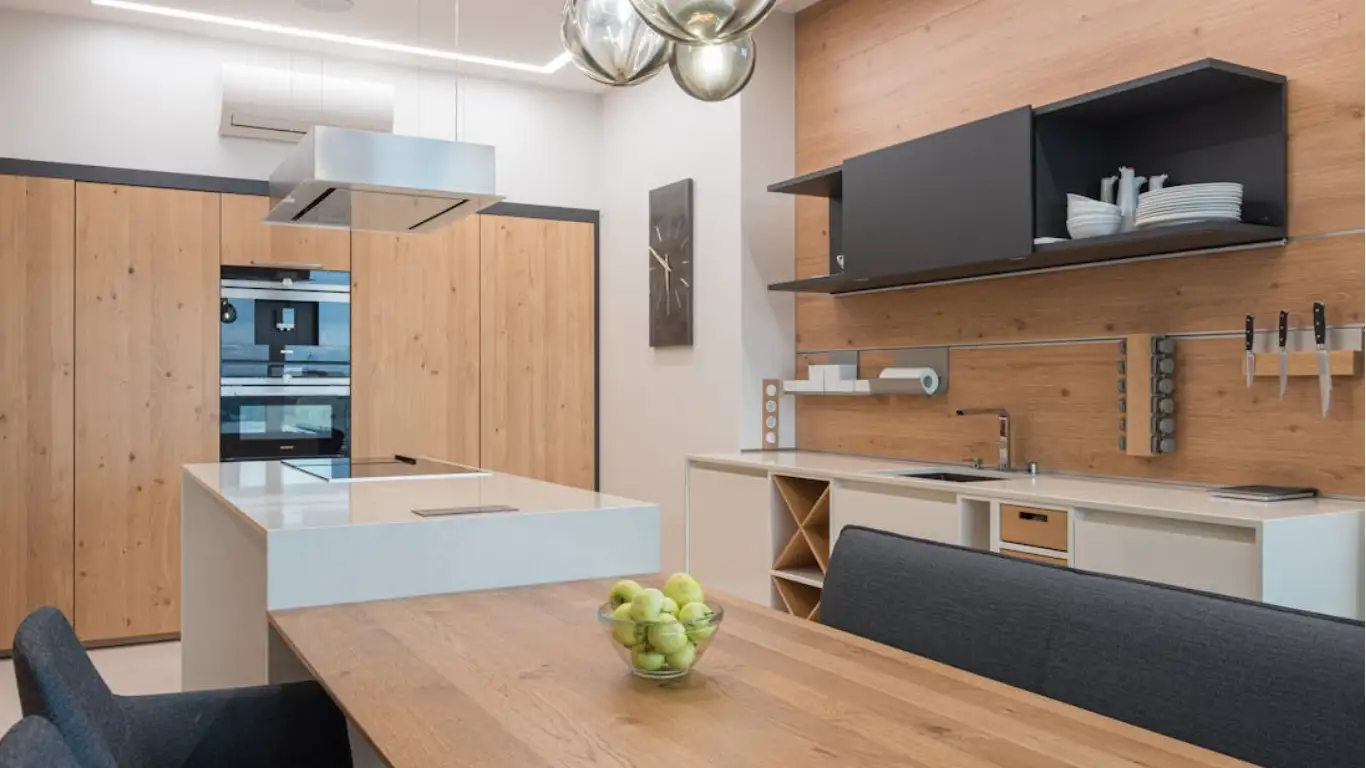
Distressed or hand-scraped finishes add depth without requiring decades of natural aging. These techniques create texture and visual interest while maintaining the wood’s warmth. Warm-toned species like oak, pine, and walnut work particularly well, their golden and honey hues creating instant coziness. The grain patterns in these woods act like fingerprints, no two pieces exactly alike, ensuring your space feels unique rather than mass-produced.
Stone and Earthy Surfaces
If wood provides warmth, stone offers strength and permanence. These earthy surfaces ground a space both literally and figuratively, creating a sense of stability that resonates on an almost primal level.
Exposed stone walls transform ordinary rooms into spaces with presence. Whether it’s a river rock fireplace surround or a feature wall showcasing natural stacked stone, these elements add weight and gravitas. The irregular shapes, varied colors, and organic textures of stone provide visual complexity that flat walls simply can’t match.
Slate or flagstone flooring brings rustic sensibility underfoot. These materials age beautifully, developing character with every passing year rather than showing wear.
The natural variation in color, from charcoal greys to warm browns, creates subtle pattern without busy design. Stone’s coolness also provides welcome contrast against the warmth of wood, creating balance that keeps rustic spaces from feeling too monotone.
Warm Color Palettes and Textures
While materials provide the structure, color and texture create the atmosphere. Rustic spaces rely on palettes that feel organic and comforting, avoiding anything too bright, glossy, or artificial.
Earth-Inspired Colors
The rustic color story draws directly from nature’s quieter moments, not the vivid sunset but the gentle landscape, not the tropical rainforest but the temperate woodland.
Browns, beiges, taupes, and warm greys form the foundation. These neutral shades create a calming backdrop that allows natural materials to shine without competition. Think of the color of weathered driftwood, warm sand, or smooth river stones. Muted greens echo moss and sage, while rust tones recall autumn leaves and oxidized metal. Soft creams lighten spaces without the starkness of pure white.
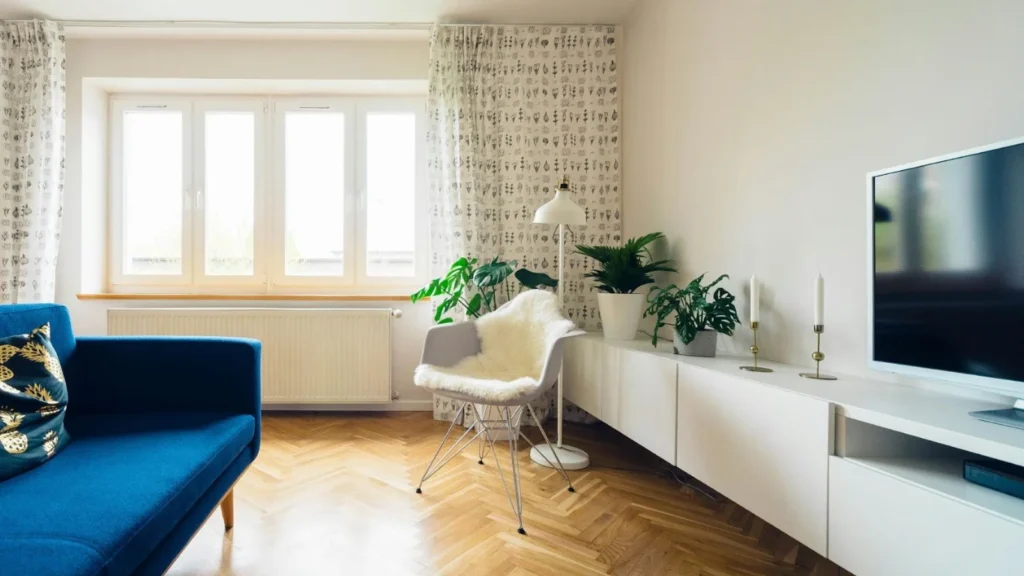
The finish matters as much as the hue. Matte or chalky surfaces suit rustic aesthetics far better than high-gloss finishes. That slight texture absorbs light differently, creating depth and preventing the flat, artificial appearance that glossy paints can produce. These finishes also feel more tactile and approachable, inviting touch rather than demanding distance.
Layered Textiles
Hard surfaces like wood and stone need softening elements to prevent spaces from feeling cold or unwelcoming. Textiles provide that essential balance, introducing comfort and warmth while adding visual layers.
Wool throws draped over furniture invite you to curl up and stay awhile. Linen curtains filter natural light beautifully, their slight wrinkles and natural texture preventing the stiffness of synthetic alternatives. Cotton upholstery offers durability with breathability, aging gracefully rather than showing wear poorly.
Handwoven rugs or textured carpets add pattern and warmth underfoot. Look for pieces with natural fiber content and traditional weaving techniques, the subtle irregularities in handcrafted textiles add authenticity. Subtle patterns inspired by nature or traditional crafts work better than bold geometric designs, maintaining the organic feel essential to rustic style.
Furniture That Feels Handcrafted
In rustic interiors, furniture does more than fill space, it anchors the entire design philosophy. These pieces should look like they were built to last generations, not just a few trendy seasons. When working with Aspen interior designers, you’ll find that furniture selection plays a crucial role in establishing authentic rustic character.
Solid and Simple Forms
Rustic furniture favors honesty over embellishment. The forms tend to be straightforward, letting the quality of materials and craftsmanship speak for themselves.
Solid wood dining tables and benches create gathering spaces that feel substantial. These aren’t delicate pieces requiring coasters and constant care, they’re built to handle real life, from family dinners to homework sessions. Chunky coffee tables or sideboards with visible joinery showcase the maker’s skill without unnecessary decoration.
The emphasis falls on practicality over ornamentation. Instead of carved details or applied decoration, the beauty comes from wood grain, proportions, and the integrity of construction. These pieces work hard without calling attention to themselves, providing reliable function while quietly contributing to the overall aesthetic.
Aged and Vintage Appeal
Newness isn’t particularly valued in rustic design. In fact, furniture that shows its age often holds more appeal than pristine pieces fresh from the showroom.
Antique or vintage-inspired furniture brings instant depth to interiors. A weathered farmhouse table or vintage cabinet doesn’t just provide function, it provides conversation, history, and visual interest that reproduction pieces struggle to match. The patina on metal hardware, the worn edges on tabletops, and the slight variations in wood color all tell stories of years of use.
This appreciation for aged pieces aligns perfectly with sustainable design principles. Rather than constantly replacing furniture, rustic style celebrates pieces that have proven their durability over time. Each scratch, ding, or worn spot becomes part of the narrative rather than a reason for replacement.
Thoughtful Details and Lighting
The difference between a rustic space that feels authentically charming and one that seems overly staged often comes down to details and lighting choices. These finishing touches complete the atmosphere, influencing how spaces feel throughout the day.
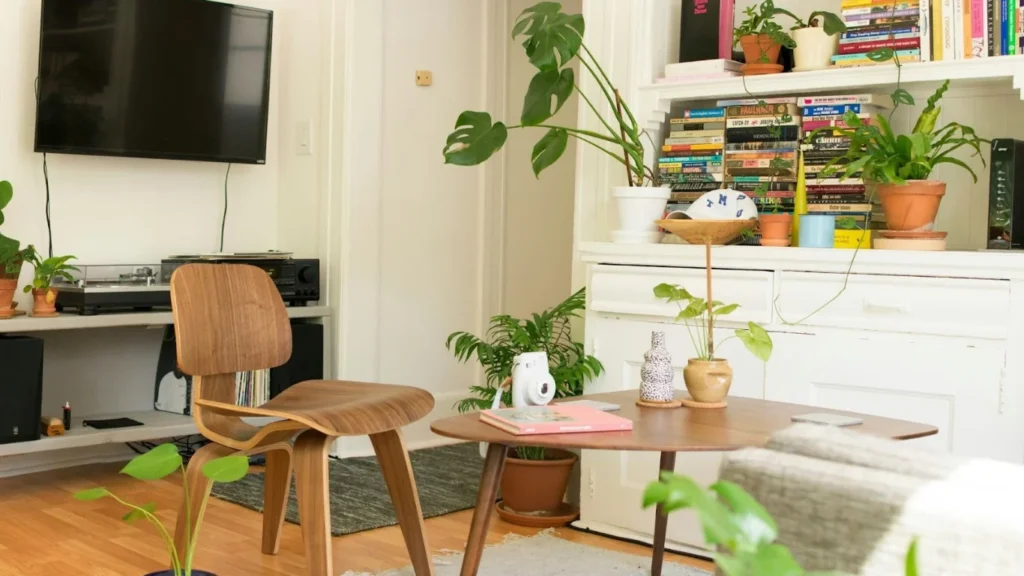
Metal and Hand-Finished Accents
While wood and stone dominate rustic materials, metal elements provide essential contrast and visual interest when used thoughtfully.
Wrought iron hardware, think door handles, cabinet pulls, or curtain rods, adds subtle strength to softer elements. These pieces often feature hand-forged qualities, with slight irregularities that reveal their artisanal origins. Aged brass, copper, or blackened steel details on light fixtures or furniture create warmth while adding patina that complements weathered wood.
Handmade or artisanal accessories complete spaces without cluttering them. A hand-hammered copper bowl, wrought iron candlesticks, or hand-thrown pottery pieces add personality while maintaining the handcrafted aesthetic central to rustic design. These aren’t mass-produced accessories, each carries the mark of its maker, adding another layer of authenticity.
Soft, Ambient Lighting
Lighting might be the most underestimated element in creating a rustic atmosphere. The wrong lighting can undermine even the most carefully selected materials and furniture.
Warm-toned bulbs instead of cool white light make all the difference. That slight golden glow enhances wood tones, makes stone surfaces appear warmer, and creates the kind of comfortable ambiance that harsh white light destroys. The color temperature matters more in rustic spaces than in modern minimalist designs, where cooler light might work.
Lantern-style pendants or simple chandeliers provide focal points without dominating. These fixtures often incorporate metal and glass, combining functionality with understated style. Table lamps and wall sconces create layered illumination, allowing you to adjust lighting levels for different times of day and activities. Multiple light sources at varying heights add depth and prevent the flat lighting that single overhead fixtures create.
Conclusion
Rustic interior design succeeds because it speaks to something fundamental in us, a desire for authenticity, connection to nature, and spaces that feel genuinely welcoming rather than showroom-perfect. By combining natural materials like weathered wood and textured stone, earth-inspired colors, handcrafted furniture, and carefully chosen details, rustic style creates environments that feel both comfortable and enduring.