Building homes in high-heat regions requires a thoughtful approach that accounts for intense sunlight, rising temperatures, and extended periods of thermal stress. Standard construction methods often fall short in these environments, leading to higher energy use and reduced indoor comfort. As climate conditions become more extreme, builders and homeowners increasingly focus on design strategies that improve efficiency while maintaining long-term durability.
This shift has encouraged a closer look at climate-responsive building practices shaped by desert environments. Over time, design philosophies adapted to hot regions have evolved to prioritize shade, airflow, and material performance. These ideas now influence modern construction approaches, helping homes respond more effectively to their surroundings while supporting comfort and sustainability.
Understanding How Heat Impacts Residential Construction
Heat directly influences how homes perform and age in hot climates. Extended exposure to high temperatures increases cooling demand and places added strain on building materials. Surfaces absorb and store heat during the day, which can raise indoor temperatures well into the evening. These effects often result in higher energy use and faster material wear. Over time, these challenges push builders to rethink how homes interact with their environment rather than relying solely on mechanical cooling.
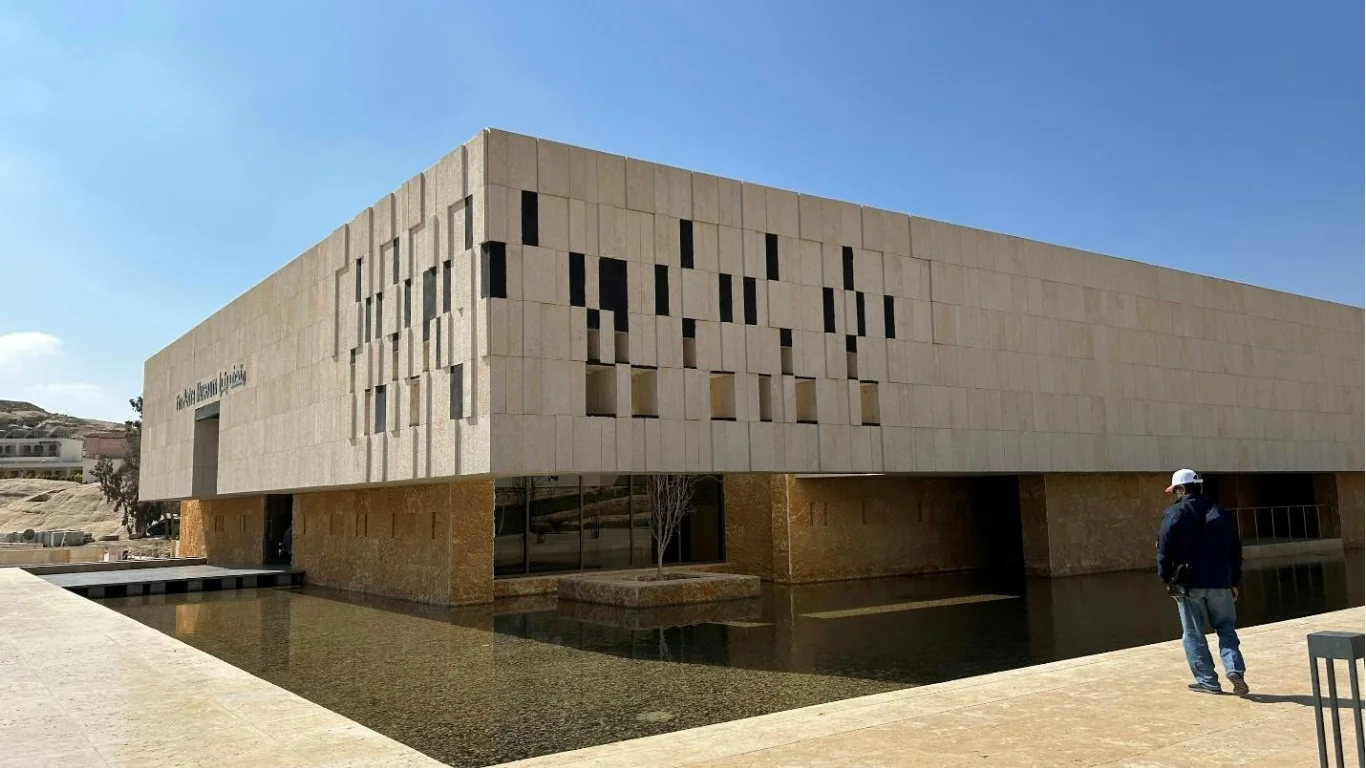
To address these challenges, builders have turned to modern desert architecture, which developed in response to harsh environmental conditions. This approach focuses on managing heat at the design level through controlled sun exposure, airflow planning, and thoughtful material selection. By reducing heat gain before it enters the home, construction methods based on these principles improve comfort while limiting long-term energy demands.
Site Orientation and Strategic Home Placement
Site orientation plays a key role in reducing heat gain in residential construction. Placing a home to minimize exposure to intense afternoon sun can lower indoor temperatures throughout the day. Builders often analyze sun paths and prevailing wind patterns before determining the final layout.
Strategic placement also supports natural ventilation by allowing breezes to move through the structure. When living spaces align with these airflow patterns, homes rely less on mechanical cooling. These early planning decisions improve comfort while reducing energy use over time.
High-Performance Building Materials for Hot Climates
Material choice significantly affects how a home responds to high temperatures. Some materials absorb heat and slowly release it, while others reflect sunlight and reduce thermal transfer. Selecting materials suited for hot climates helps regulate indoor conditions and improve structural longevity.
Builders also consider durability under constant sun exposure. Materials that resist fading, cracking, and expansion perform better over time. These choices reduce maintenance needs and support consistent performance in extreme heat environments.
Energy-Efficient Roofing Insulation Solutions
Roofing insulation systems serve as the first line of defense against heat intrusion. In hot regions, insulation slows heat transfer rather than trapping warmth. Proper placement ensures consistent indoor temperatures throughout the day.
Roofing materials also influence thermal performance. Reflective and heat-resistant surfaces limit solar absorption before heat reaches the interior. When combined with effective insulation, these systems reduce cooling demand and improve overall energy efficiency.
Passive Cooling Design Strategies
Passive cooling techniques help homes stay comfortable without heavy reliance on mechanical systems. Builders often design layouts that encourage cross ventilation by aligning openings across living spaces. Warm air exits through higher openings, while cooler air enters at lower points. This airflow reduces indoor heat buildup throughout the day.
Shading also plays an important role in passive cooling. Overhangs, recessed windows, and exterior screens block direct sunlight during peak hours. These features reduce heat gain before it enters the home. When combined with ventilation planning, passive cooling strategies lower energy demand and support more stable indoor temperatures in hot climates.
Smart Window Design and Glazing Techniques
Windows can either increase or limit heat gain depending on their design and placement. In high-heat regions, builders carefully choose window sizes to balance daylight and thermal control. Proper placement limits exposure to intense afternoon sun while still allowing natural light.
Advanced glazing options further improve performance. Heat-resistant glass reduces solar gain and helps maintain indoor comfort. Window orientation also matters, as north-facing or shaded windows receive less direct sunlight. Together, these strategies keep homes bright and comfortable without excessive heat buildup.
Integrating Indoor and Outdoor Living Spaces
Thoughtful integration of indoor and outdoor spaces improves comfort in hot climates. Covered patios, courtyards, and shaded walkways act as transitional zones that reduce heat entering the home. These spaces also support airflow by creating pressure differences that encourage ventilation.
Designing outdoor areas close to interior living spaces extends usability without increasing cooling demand. When planned carefully, these features improve daily comfort while supporting energy efficiency. They also encourage residents to use outdoor areas during cooler parts of the day, reducing strain on indoor cooling systems.
Water-Efficient Landscaping and Heat Reduction
Landscaping choices affect both outdoor temperatures and indoor comfort. Hard surfaces and poorly planned plantings can reflect heat toward the home. Water-efficient landscaping helps reduce this effect by using ground cover and plants that cool the surrounding air.
Builders often select native or drought-tolerant plants that require minimal irrigation. Strategic placement of vegetation also provides shade near walls and windows. These decisions lower surface temperatures around the home and support a more comfortable living environment without excessive water use.
Future Trends in Heat-Responsive Home Construction
Construction in hot regions continues to evolve as new materials and technologies emerge. Builders increasingly rely on performance data to guide design decisions. Advanced modeling tools help predict heat movement and energy use before construction begins.
Sustainability also drives future trends. Homeowners now expect energy efficiency alongside comfort and durability. As awareness grows, builders refine design methods that respond directly to climate conditions. These advances support smarter construction practices that meet long-term environmental and lifestyle needs.
Smart construction techniques play a vital role in creating comfortable and efficient homes in high-heat regions. From material selection to ventilation planning, each decision affects how a home performs under thermal stress. By focusing on climate-responsive design, builders can reduce energy demand while improving long-term comfort. Thoughtful construction choices ensure homes remain resilient, efficient, and well-suited to hot environments.