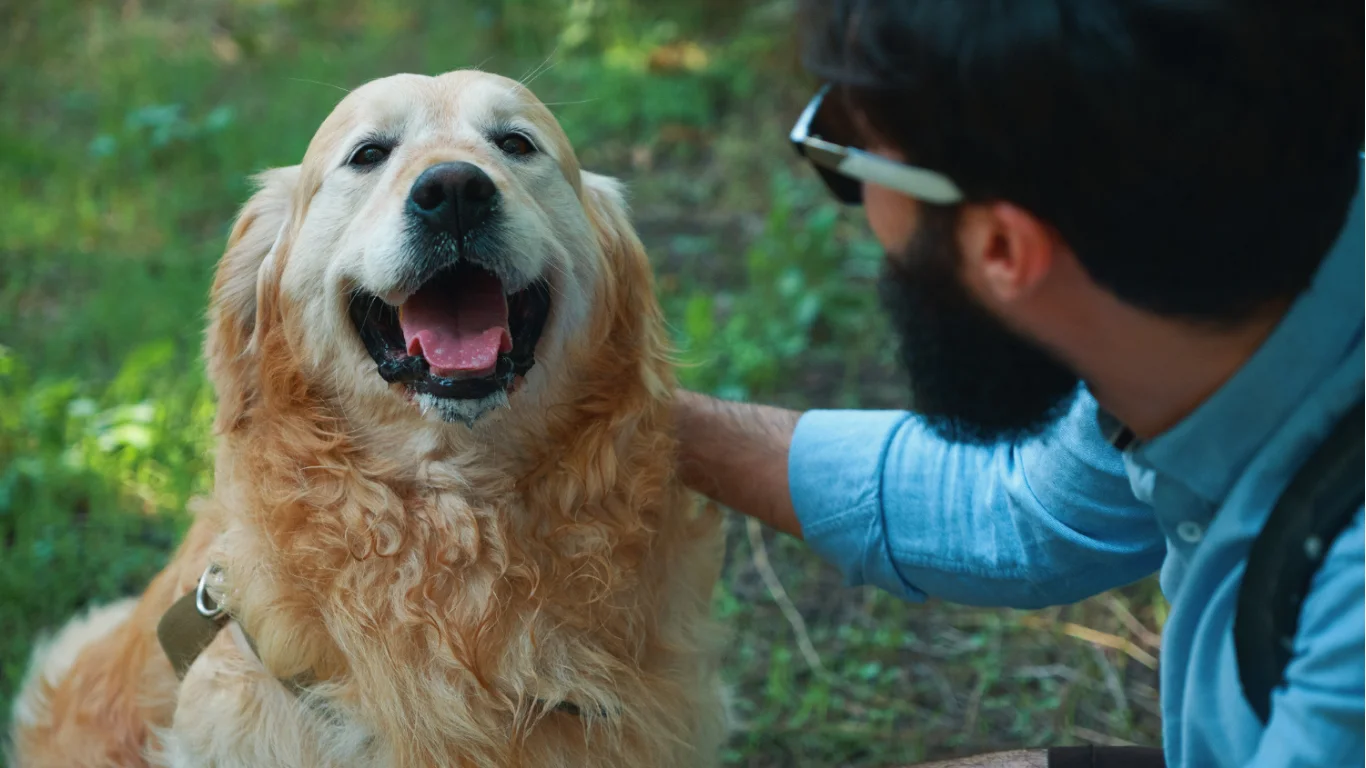
Living in a city can be tough for dogs. Many urban pets feel lonely or anxious when left alone all day. Structured day programs, like doggy daycare, help fix this by offering socialization and activities.
Keep reading to see how these programs bring out the best in your furry friend!
Key Takeaways
- Structured day programs help urban dogs learn better social and communication skills. Dogs observe cues like body language, barking tones, and tail positions during group play.
- Regular daycare visits reduce fear and anxiety caused by noisy city life. Studies show 68% of pet owners report less stress in their dogs after attending daycare.
- Daycares promote physical health through activities like running and fetch. These exercises lower the risk of obesity, diabetes, and arthritis as dogs age.
- Mental stimulation from puzzle toys or games prevents boredom. This reduces bad behavior like chewing or excessive barking at home.
- Trained staff ensure safety during playtime while guiding positive behaviors with rewards. Supervised care builds confidence in shy or anxious dogs over time.
Key Benefits of Structured Day Programs for Socialization
Structured day programs help dogs build better social skills. They also boost emotional health, making city life easier for our furry friends.
Enhances Communication Skills with Other Dogs
Dogs at daycare pick up on social cues quickly. They observe barking tones, tail positions, and body language from others. This helps them understand how to interact politely with different dogs.
Being around various breeds, whether that’s bulldogs, retrievers, or labradoodles, teaches patience and tolerance. Dogs learn to handle calm peers, high-energy playmates, or even shy friends. These lessons reduce reactivity in new situations while building confidence over time.
Reduces Fear and Anxiety in Urban Environments
Urban life is noisy, fast, and full of surprises. Many dogs feel stress from sirens, strangers, or crowded streets. A structured dog daycare helps them stay calm in these busy settings.
Regular exposure to new sights and sounds at a daycare builds confidence over time. Trained staff ensure each dog feels safe during activities.
Fearful canines often struggle with separation anxiety or behavioral issues. Routine care reduces these problems by giving them a familiar and positive environment. Studies show 68% of pet owners notice lower anxiety levels in their dogs after attending daycare regularly.
Less fear means calmer playtimes, better focus on training, and healthier socialization overall.
Encourages Positive Behavioral Development
Structured daycare routines help dogs learn discipline. Regular schedules of play, rest, and training teach boundaries and expectations. This stability reduces confusion and encourages obedience.
Dogs begin to respond better to commands during these structured activities.
Positive reinforcement is central in daycares. Staff guide dogs with rewards for good behavior, making improvements stick. This approach curbs issues like barking or biting over time.
With patience, even high-energy dogs show noticeable calmness and cooperation within a few weeks.
Promotes physical and mental stimulation through active games; let’s explore how day programs achieve this next!
Many pet owners in the city are turning to dog daycare in Vancouver as a solution to ensure their dogs receive the socialization they need.
Promotes Physical and Mental Stimulation
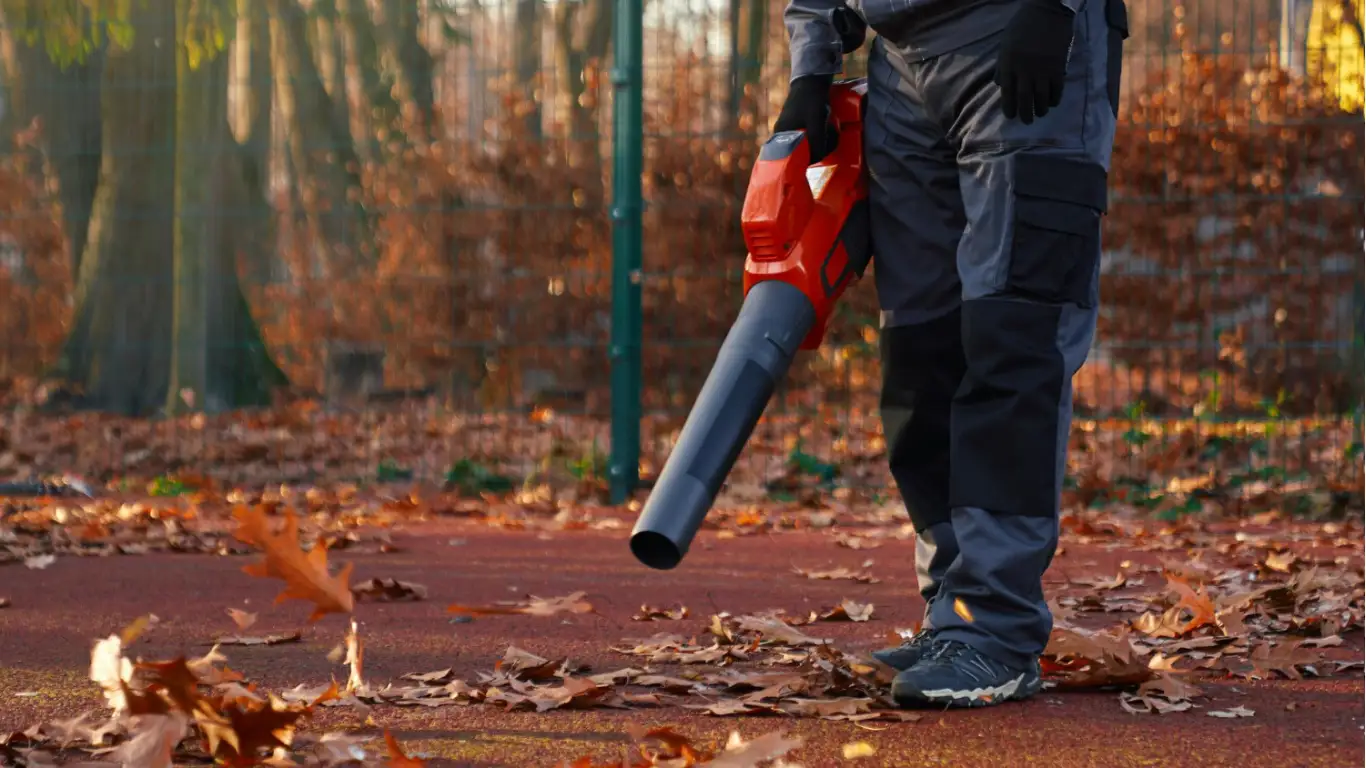
Many urban dog owners find that their pets benefit from structured day programs that include socialization, especially when they live in environments surrounded by fences.
Dogs need exercise to stay healthy. At dog daycare, activities like running, fetch, and group play keep them active. These physical exercises boost heart health, improve circulation, and strengthen lungs.
Regular movement also lowers the risk of diabetes and obesity. Stronger bones and joints help fight arthritis as dogs grow older.
Mental stimulation is just as important. Puzzle toys or training games challenge their minds while reducing boredom. Focused activities encourage better behaviors at home too. A tired but happy dog is less likely to chew furniture or bark excessively.
Supervised play ensures they burn energy safely while building mental resilience.
Supervised group activities to ensure their social skills improve in safe ways too!
Activities That Foster Socialization in Day Programs
Dogs thrive in programs filled with group fun, brain-teasing games, and playful challenges—discover how these keep your pup happy and sociable.
Supervised Group Play
Supervised group play offers a safe way for dogs to bond and learn. Staff members watch closely, stepping in to correct bad habits or praise good behavior. Group sizes are based on size, energy level, and personality to keep the environment balanced.
Shy pups thrive in smaller groups where they can build confidence without feeling overwhelmed. Energetic dogs burn off steam while learning canine communication skills. Bubble machines and toys add fun while improving fitness levels.
These structured activities help reduce anxiety, improve socialization skills, and create happier dogs overall.
Enrichment Games and Problem-Solving Tasks
Dogs thrive on mental challenges. Puzzle toys and interactive feeding keep their brains sharp while easing stress. Scent games, like creating trails for them to follow, build confidence and reduce anxieties.
These activities spark curiosity and improve cognitive development.
Hide-and-seek or obstacle courses give high-energy dogs a healthy outlet. They also prevent boredom that can lead to behavioral issues. Structured tasks help with obedience training, too, making urban dogs well-rounded learners.
Such games are customized to match different breeds’ energy levels for maximum engagement.
Agility and Obstacle Courses
Some daycare centers use agility and obstacle courses for dog training. These activities improve physical health, build stamina, and strengthen muscles. Running through tunnels or jumping over hurdles keeps dogs physically fit while sharpening their minds.
High-energy dogs benefit the most, burning off energy and staying focused.
Trained staff supervise to prevent injuries. Activities are adjusted by age, breed, and fitness levels so no pup feels overwhelmed. This careful balance helps manage weight while boosting mental well-being.
With regular practice, it also improves coordination and reduces behavioral issues like excess barking or chewing at home!
The Role of Professional Supervision in Socialization
Trained staff play a big role in dog daycare. They know how to read canine body language, which helps them act fast if conflicts arise. For example, subtle signs like stiff tails or raised fur can signal stress or tension.
By stepping in early, they prevent fights and keep group play safe.
Professionals also use positive reinforcement to guide behavior. Offering treats or praise encourages dogs to act politely while mixing with others. Staff monitor health too, watching energy levels and eating habits closely.
Their training ensures every pup stays happy and healthy while building better social skills.
How to Choose the Right Day Program for Your Dog
Picking the best dog daycare can feel tricky, but it’s worth the effort. Focus on places where your pup stays safe, happy, and learns better social skills.
Assess Program Structure and Activities
Check the daycare’s daily schedule. Activities should mix physical exercise, mental stimulation, and rest. Look for dog daycare programs that offer group play, puzzle toys, or scent games.
High-energy dogs benefit from obstacle courses and interactive games. These activities must match your dog’s size, temperament, and age.
Ask about health rules like vaccination requirements or emergency plans. Facilities often require DHPP vaccines to prevent illnesses like kennel cough. Some centers adjust programs for anxious dogs with extra support areas.
Trial days can help you see how your dog reacts in the space before committing long-term.
Ensure Qualified Staff and Safe Environments
Trained staff keep dogs safe and happy. They should know canine body language and handle emergencies calmly. Staff-to-dog ratios matter too; fewer dogs per handler means better care.
High turnover or stressed workers can harm the daycare vibe.
The environment must be clean and secure. Facilities need sturdy fencing, proper ventilation, and strict vaccination rules to prevent illness. Watch for overcrowding or dirty spaces—these are red flags.
Honest tours let you see how they treat your furry friend firsthand.
Let’s dive into activities that foster socialization in day programs!
Conclusion
Structured day programs help urban dogs thrive. They teach better social skills, boost confidence, and reduce fear. Regular play and activities keep their minds sharp and bodies healthy. Dogs leave happier, calmer, and ready to face the busy city life. A well-socialized dog is a joy at home and in public!