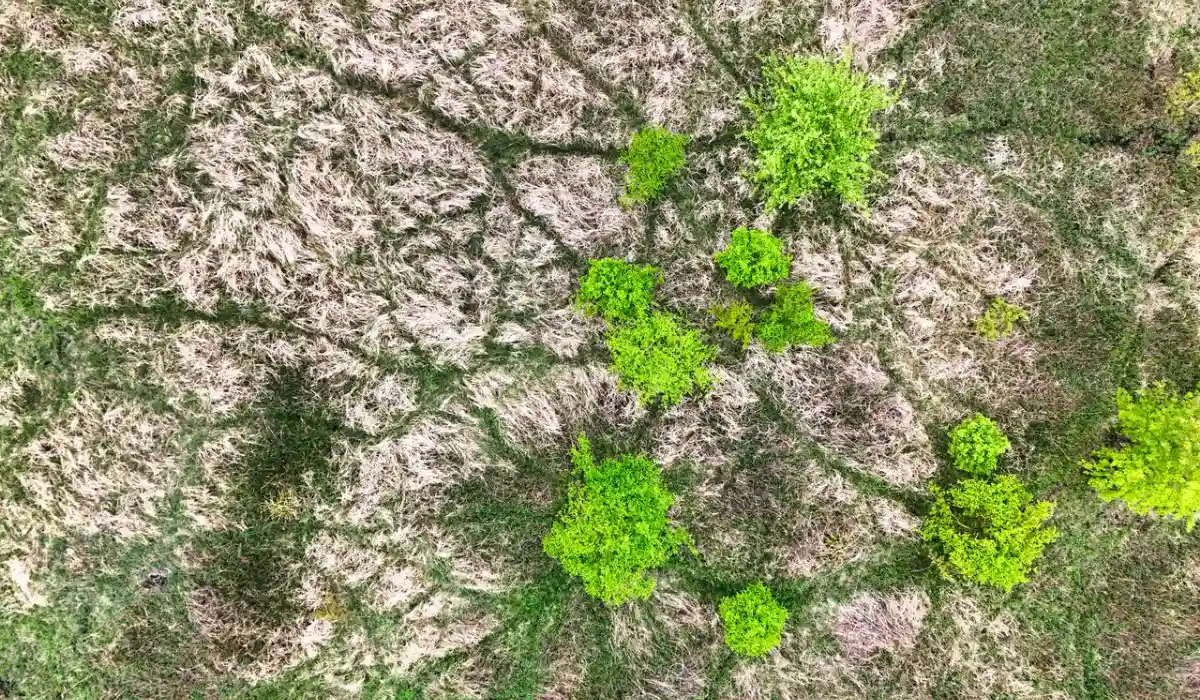
Vegetation control is now very important in many industries. Roads, rail lines, factories, and large properties all need clear land. Overgrown plants can cause safety risks and higher costs.
Modern methods focus on long-term control, not just short fixes. The goal is to slow regrowth and keep areas clear for a longer time. Achieve long-term land management goals with advanced solutions that minimize regrowth, improve site safety, and reduce maintenance needs.
Continue reading to discover everything you need to know.
Why Vegetation Control Matters
Uncontrolled plants can cause many problems. They may block roads, damage structures, or create fire risks. They also make land harder to use and manage.
Good control keeps areas clean and organized. It also helps workers see clearly and move safely. This improves daily operations.
Moving Beyond Traditional Methods
Old methods mostly use cutting or trimming. These methods work, but only for a short time. Plants grow back quickly.
Modern methods aim for longer results. They focus on slowing growth at the roots. This helps reduce how often maintenance is needed.
Chemical and Targeted Solutions
Today’s methods often use targeted treatments. These treatments focus on specific plants. This helps protect nearby areas.
When used properly, they slow down regrowth. Many workers use them for physical clearing. This creates better results.
Pre-Emergent vs. Post-Emergent Chemistry and Soil Sterilants
Complete vegetation suppression relies on understanding how different chemical classes interact with plant biology:
- Post-Emergent Systemics (e.g., Glyphosate, Imazapyr): Absorbed through active green foliage, these travel downward into rhizomes and taproots to kill mature brush and woody growth entirely.
- Pre-Emergent Residual Barriers (e.g., Indaziflam, Prodiamine): Applied to bare soil, these bind with the top layer of earth to inhibit cell division in germinating weed seeds before they break the surface.
- Total Vegetation Control (Bare-Ground Sterilants): For high-security perimeters, substations, and rail beds, commercial-grade non-selective residual chemistries remain active in the soil profile for an entire season, guaranteeing true bare-ground clearance.
Tools and Products for Better Control
Many tools help with vegetation control. These include sprayers, barriers, and treatment products. Each tool helps make the job easier.
Investing in professional-grade non-selective herbicides, pre-emergent barriers, and calibrated commercial sprayers establishes a reliable foundation to reduce regrowth over time, drastically cutting recurring labor cycles and field downtime.
Safety and Environmental Care
Safety is very important in vegetation control. Workers must follow rules when using treatments. This helps protect people and nature.
The environment must also be protected. New methods aim to reduce harm to soil and water. Careful use helps keep nature balanced.
Managing Drift, Runoff, and Herbicide Resistance
Total suppression must be balanced against off-target environmental hazards. Operators prevent airborne drift by utilizing drift-reduction nozzles, maintaining lower spray pressures, and avoiding spraying during temperature inversions or when wind speeds exceed 10 mph. In gravel rail ballast or sloping roadway shoulders, choosing non-leaching active ingredients prevents lateral runoff into adjacent groundwater tables or agricultural waterways. Furthermore, rotating herbicide modes of action (MOA) prevents persistent weed populations from developing chemical resistance.
Integrated Vegetation Management (IVM) Protocols
Modern land management no longer relies on a single blanket application. Instead, commercial operators deploy Integrated Vegetation Management (IVM)—a coordinated strategy that pairs multiple techniques:
- Mechanical Clearing: Initial clearing using forestry mulchers, flail mowers, or heavy-duty brush cutters to reduce towering biomass and open sightlines.
- Physical & Geotextile Barriers: Installing heavy-duty woven polypropylene geotextile weed fabrics topped with crushed aggregate beneath solar arrays and security fencing.
- Targeted Chemical Spot-Spraying: Following up mechanical clearing with low-volume directed foliar applications on pioneer weeds, minimizing chemical volume while keeping maintenance costs predictable.
Industrial and Commercial Use
Many industries use vegetation control every day. Roads, utilities, and construction sites need clear spaces. This helps keep work safe and smooth.
Regular care is important in these areas. It stops plants from growing into work zones; this keeps systems running well. It also helps prevent damage to equipment and infrastructure.
With consistent maintenance, sites stay organized and easier to manage. This supports safer operations and reduces the risk of delays or costly repairs over time.
Infrastructure Protection Across Critical Sectors
The physical consequences of vegetative neglect vary across commercial settings:
- Electrical Substations: Weeds holding morning moisture cause hazardous electrical tracking, while dry, tall brush introduces severe arc-flash fire liabilities.
- Rail Ballast Tracks: Deep vegetative roots trap silt and rainwater inside crushed stone ballast, destabilizing track beds and accelerating railroad tie rot.
- Pipelines and Utility Right-of-Ways (ROW): Unchecked woody shrubs conceal surface pipeline corrosion and block emergency aerial pipeline inspection patrols.
Long-Term Land Goals
The goal of modern control is long-term success. Instead of repeated cutting, the focus is prevention. This reduces future growth.
Good planning helps keep land clean. It also lowers long-term costs, and this makes work more efficient.
It also helps reduce labor needs over time and supports safer working conditions. With the right approach, land stays usable and stable for longer periods, which improves overall site performance and reduces unexpected maintenance problems.
The Future of Vegetation Control
New tools and methods are improving fast. They help make work easier and more accurate. This reduces the effort and time needed.
In the future, systems will become even better. The focus will stay on safety and control. Vegetation management will continue to improve.
Expand knowledge and check out more posts on our blog!
Autonomous Mowing, GIS Mapping, and Drone Spraying
Emerging technology is accelerating precision suppression. Unmanned aerial spray drones equipped with multispectral LiDAR cameras can map weed density across vast utility corridors, applying micro-doses of herbicide solely to infested hotspots. Simultaneously, commercial autonomous robotic slope mowers handle dangerous highway embankments and solar fields without exposing field crews to steep-terrain rollover risks.