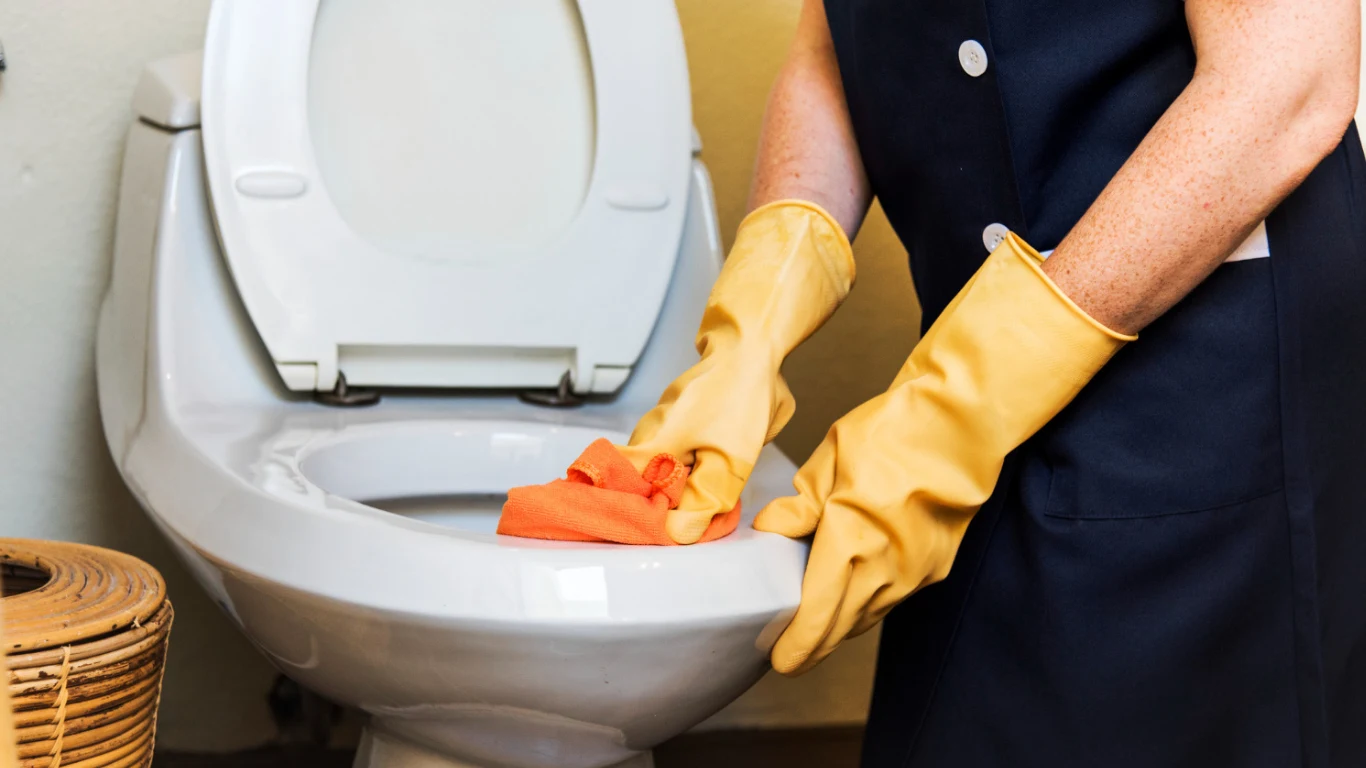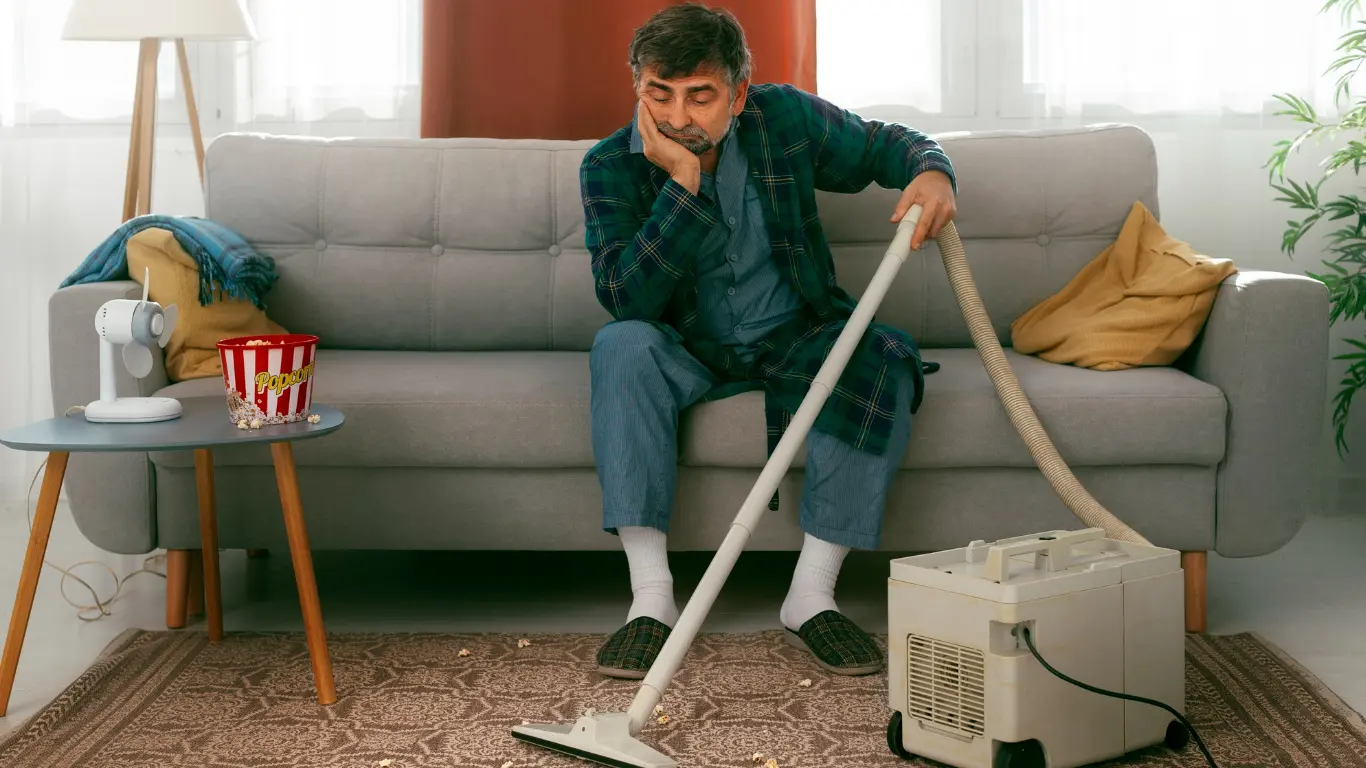
If you’re asking, “Why is my house so dusty even after cleaning?” the answer is usually that dust keeps entering your home, collecting in hidden places, or circulating through the air. Dirty HVAC filters, carpets, outdoor dirt, and ineffective cleaning methods can all make dust return surprisingly fast.
I know how frustrating it feels to wipe down your furniture, vacuum every room, and discover another dusty layer the following morning. But cleaning more often isn’t always the answer. I’d start by identifying where the dust comes from, because fixing its source can save considerably more effort than repeatedly wiping the same surfaces.
Why Is My House So Dusty Even After Cleaning?
Dust doesn’t disappear permanently after cleaning because your home constantly produces and collects new particles. Even normal activities like walking across a carpet or changing bedsheets can release particles into the air.
Where Does Household Dust Actually Come From?
Household dust is a mixture of materials rather than one type of dirt. It commonly contains shed skin cells, hair, clothing fibers, pet dander, pollen, soil particles, and tiny debris from everyday activities.
Some sources are obvious, such as muddy shoes or a shedding dog. Others are easy to overlook. Cooking, burning candles, moving furniture, and handling paper can all contribute particles that eventually settle on surfaces.
What Does the Location of the Dust Tell You?
Before changing your cleaning routine, I’d examine where dust collects fastest. Its location often provides better clues than the amount alone.
| Where dust appears | Possible cause | What to check |
|---|---|---|
| Around air vents | Airborne particles or airflow problems | HVAC filters and nearby surfaces |
| On bedroom furniture | Bedding and clothing fibers | Sheets, curtains, and carpets |
| Near windows | Outdoor dirt and pollen | Window seals and gaps |
| Across carpets | Trapped particles | Vacuum filtration and carpet condition |
| In one particular room | Local dust source or airflow difference | Fabrics, vents, and entry points |
These are clues rather than proof. For example, a dusty return-air grille doesn’t automatically mean your ductwork needs cleaning.
How Your HVAC System Can Make Your House Dustier
Your heating, ventilation, and air conditioning system moves air throughout your home. When filtration or airflow isn’t working properly, particles may remain airborne longer or enter through unwanted openings.
Dirty, Weak, or Poorly Fitted Air Filters
I consider the HVAC filter one of the first things worth checking. A clogged filter can restrict airflow, while an incorrectly fitted one may allow air to bypass the filtering material.
Here’s what I’d inspect:
- Filter condition: Replace it when dirty, following the manufacturer’s guidance.
- Correct size: Make sure the filter fits without significant gaps.
- Installation direction: Follow the airflow arrow printed on the frame.
- Filter efficiency: Consider MERV 13 or the highest rating your system can safely support.
Higher-rated filters capture more fine particles, but compatibility matters. If you’re unsure what your equipment supports, an HVAC technician can check it.
Leaky Air Ducts and Dust from Attics or Crawl Spaces
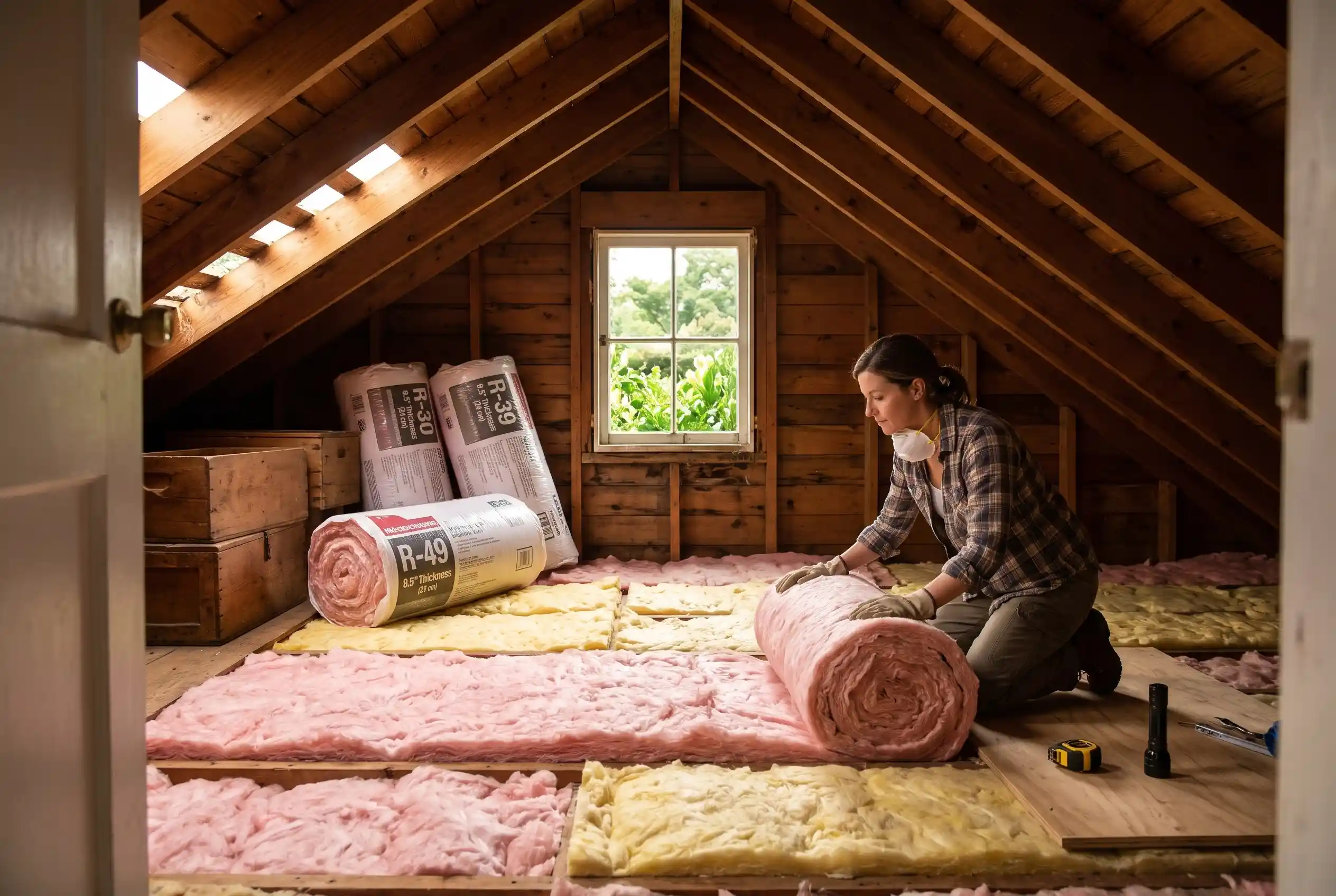
Leaky return ducts can draw dusty air from attics, crawl spaces, or unfinished areas into the HVAC system. That unwanted air may contain insulation fibers, soil particles, or other debris.
I would pay attention to unusually heavy dust near vents, unexplained airflow changes, and gaps in accessible duct connections. Professional duct leakage testing can help confirm the problem before you pay for repairs.
Blocked Vents, Uneven Airflow, and Neglected Maintenance
Furniture blocking return vents can interfere with airflow, while dirty blower components and neglected cooling coils may affect system performance.
I recommend keeping registers unobstructed and cleaning accessible grilles with a vacuum attachment. Have internal HVAC components inspected during regular servicing rather than opening equipment yourself.
Running the system fan continuously isn’t automatically better. It may increase filtration time, but also energy use and, in some cooling systems, humidity problems.
Everyday Things Inside Your Home That Keep Producing Dust
Sometimes the biggest dust sources are already inside your rooms. Soft furnishings trap particles that can become airborne again whenever someone walks, sits, or moves them.
Carpets, Rugs, Upholstery, and Old Carpet Padding
Carpets behave like enormous dust collectors. They trap soil, pet hair, pollen, and fabric fibers that ordinary surface cleaning may not remove.
I prefer using a well-filtered vacuum slowly over high-traffic areas instead of making several rushed passes. Upholstered sofas and cushions deserve attention too, especially around seams and underneath removable cushions.
Older, deteriorating carpet backing or padding can sometimes contribute additional particles. If dust persists despite careful cleaning, inspecting the carpet’s condition may be worthwhile.
Bedding, Clothing, Curtains, and Overlooked Surfaces
Ever wondered why your bedroom seems dustier than other rooms? Bedsheets, blankets, pillows, clothing, and curtains continuously shed fibers while collecting dust from the surrounding air.
I’d include these places in a regular cleaning routine:
- Wash bedsheets and pillowcases weekly.
- Vacuum beneath beds and behind furniture.
- Clean blinds and curtains according to their care instructions.
- Wipe baseboards, shelves, lampshades, and accessible electronics.
Books, cardboard boxes, ceiling fans, and cluttered storage areas can also hold dust. Closed storage makes these spaces easier to maintain.
Pet Hair, Dander, and Daily Household Activity
Pets contribute hair and skin flakes, but their paws also bring outdoor dirt inside. Even animals that barely shed can introduce dust through bedding, litter, and everyday movement.
Regular grooming and washing pet bedding can reduce these sources. I’d also vacuum the places where pets sleep most frequently.
Normal human activity contributes too. Walking, cooking, burning candles, and handling fabrics can release or stir up particles, which explains why dust never completely stops forming.
Why Outdoor Dust Keeps Finding Its Way Into Your Home
You may be cleaning indoors while new particles are continuously arriving from outside. This is particularly noticeable during dry weather, pollen season, nearby construction, or windy days.
Open Windows, Drafty Doors, and Air Leaks
Outdoor dust can enter through open windows, damaged weatherstripping, and gaps around doors. Tiny openings may allow particles to enter whenever wind or pressure differences move air through the building.
I’d inspect window frames and door seals before investing in expensive equipment. Our guide on how to weatherproof windows explains practical ways to identify and repair drafts.
Opening windows can improve ventilation when outdoor air is clean, but I’d avoid doing so during heavy pollen, smoke, or pollution events.
Shoes, Clothing, Pets, and Entryway Dirt
Shoes are an easily overlooked source of indoor soil. Every trip outside can bring grit, pollen, and other particles onto your floors.
A few changes can help:
- Keep a durable doormat outside and a washable mat inside.
- Remove outdoor shoes near the entrance.
- Wipe muddy pet paws before allowing pets indoors.
- Shake dusty outdoor clothing outside before putting it away.
These habits are especially helpful in busy households with children or pets.
Weather, Gardening, and Yard Conditions That Increase Dust
If you enjoy gardening, soil and plant debris can follow you indoors after an afternoon outside. Dry garden beds, bare soil, unpaved paths, and nearby landscaping work can increase the amount of loose material around entryways.
I’d keep garden paths reasonably clean, use suitable mulch on exposed soil, and avoid tracking dirt indoors after yard work. Maintaining your outdoor areas won’t eliminate indoor dust, but it can reduce what enters through doors and windows.
Cleaning Mistakes That Make Dust Return Faster
Sometimes cleaning itself sends particles back into the air. That’s why I pay as much attention to the tools and cleaning order as I do to how frequently a room gets cleaned.
Using Dry Dusters, Brooms, or the Wrong Cloths
A feather duster or dry cloth may move fine particles from furniture into the surrounding air rather than capturing them. They eventually settle again, making it appear as though the cleaning accomplished very little.
For most washable surfaces, I prefer a slightly damp microfiber cloth. The goal is to trap particles without soaking furniture or spreading dirty water.
| Cleaning mistake | Why it fails | Better method |
|---|---|---|
| Dry feather dusting | Can scatter particles | Slightly damp microfiber |
| Sweeping dusty floors | Stirs up fine debris | Suitable vacuum or damp mop |
| Reusing a dirty cloth | Spreads collected dirt | Rinse or change cloths |
| Cleaning floors first | Dust falls from higher surfaces | Clean top to bottom |
Vacuuming Without Proper Filtration or Maintenance
A vacuum that releases fine particles through its exhaust can leave the room dusty even after the floor looks clean. Poor suction, clogged filters, and full dust containers make the problem worse.
I’d choose a vacuum with effective filtration, ideally a sealed model with a HEPA filter, and maintain it according to the manufacturer’s instructions. Clean the brush roll regularly and empty the container before it becomes excessively full.
Cleaning in the Wrong Order and Missing Hidden Areas
Cleaning the floor before dusting ceiling fans is an invitation to do the same job twice. Loose particles from higher surfaces eventually fall onto whatever you’ve already cleaned.
My preferred sequence is straightforward:
- Start with ceiling fans, high shelves, and light fixtures.
- Wipe furniture, window coverings, and countertops.
- Clean baseboards and accessible spaces beneath furniture.
- Vacuum carpets and floors.
- Damp-mop suitable hard flooring last.
Avoid dry sweeping delicate or potentially hazardous renovation dust. Older paint debris and suspected asbestos-containing materials require appropriate professional assessment rather than ordinary household cleaning.
Can Humidity and Air Purifiers Help Control Household Dust?
Indoor air conditions influence how particles behave, although they don’t create every dust problem. I’d evaluate humidity and filtration after checking the obvious household sources.
How Dry Air and High Humidity Affect Dust
Very dry air can increase static electricity, affecting how particles cling to clothing and surfaces. Excessively humid conditions create a different concern because dust mites and mold generally favor moisture.
I recommend checking indoor relative humidity with a hygrometer instead of guessing. The U.S. Environmental Protection Agency recommends maintaining roughly 30–50% humidity when possible.
Use humidifiers or dehumidifiers only when conditions justify them, and maintain those appliances carefully.
What an Air Purifier Can and Cannot Remove
Air purifiers can capture airborne particles, particularly models with effective HEPA filtration. However, they cannot vacuum dirt already trapped inside carpets or remove dust settled beneath furniture.
Before purchasing one, I’d check:
- Room size: Choose an appropriate clean air delivery rate (CADR).
- Filtration: Look for effective particle filtration rather than vague marketing promises.
- Placement: Keep air intakes and outlets unobstructed.
- Maintenance: Replace filters as recommended.
I’d avoid ozone-generating air cleaners. Whole-house filtration may be useful, but a properly sized portable purifier is often a more approachable option for an individual room.
Better Ventilation Without Bringing in More Outdoor Dust
Fresh air can help dilute indoor pollutants, but opening every window isn’t sensible when outdoor air contains smoke, heavy pollen, or construction dust.
Use kitchen exhaust while cooking and bathroom ventilation when managing moisture, provided these systems vent appropriately outdoors. Where outdoor air quality is poor, effective filtration and controlled ventilation become particularly valuable.
How to Keep Your House from Getting Dusty So Quickly
Once you’ve identified the likely sources, the next step is creating a routine that actually reduces dust buildup. I wouldn’t recommend buying several cleaning gadgets before trying the basic fixes.
Start with These Low-Cost Dust-Reduction Steps
I’d begin by correcting obvious problems: replace a dirty HVAC filter, clean the vacuum, remove dust from overlooked surfaces, and limit dirt entering through the front door.
If carpets release noticeable dust when disturbed, give them a thorough vacuuming. Wash bedding, clean nearby curtains, and inspect window seals where you notice outdoor dirt accumulating.
Decluttering helps too. Fewer exposed objects mean fewer surfaces where dust can settle unnoticed.
A Simple Daily, Weekly, and Monthly Cleaning Routine
Consistency usually works better than saving everything for one exhausting weekend.
- Daily: Remove entryway dirt, manage pet-related messes, and wipe frequently used surfaces when needed.
- Weekly: Vacuum high-traffic floors, wash bedding, dust furniture, and clean pet sleeping areas.
- Monthly: Check HVAC filters, clean ceiling fans and blinds, and reach beneath furniture.
- Seasonally: Inspect weatherstripping, deep-clean appropriate textiles, and review HVAC maintenance needs.
I wouldn’t treat this as a rigid schedule. Homes with pets, carpeting, nearby construction, or frequent open-window ventilation may need more attention.
Track Where Dust Returns Before Spending More Money
One simple method I like is observing the same surfaces for a week or two. Clean a bedroom shelf, a living-room table, and an area close to a vent, then compare how quickly dust returns.
Notice whether the problem increases when heating or cooling runs, windows are open, or outdoor work is happening. If just one room becomes dusty, investigate its local sources before assuming the entire HVAC system is defective.
When Is Excessive House Dust a Sign of a Bigger Problem?
Most household dust is normal, but sudden changes deserve attention. I’d be more concerned about unusual residue, persistent odors, moisture damage, or particles appearing after renovation work.
Warning Signs You Shouldn’t Ignore
Ordinary gray dust differs from greasy black soot, suspicious building-material debris, and visible contamination associated with water damage.
Here’s how I’d approach several warning signs:
| Warning sign | Possible issue | Appropriate next step |
|---|---|---|
| Sudden heavy dust buildup | Renovation or outdoor debris | Investigate the recent source |
| Black residue near vents | Soot or other airborne particles | Identify the source; seek inspection |
| Persistent musty odor | Hidden moisture or mold | Investigate and repair moisture problems |
| Debris blowing from supply vents | Possible duct contamination | Request an HVAC inspection |
| Unusual irritation or breathing symptoms | Possible indoor pollutant exposure | Seek medical advice and assess air quality |
When to Call an HVAC Technician, Cleaner, or Other Specialist
I’d contact an HVAC technician when there is persistent airflow trouble, suspected duct leakage, or unusual debris entering through supply vents. A professional cleaner may help with heavily soiled carpets, but ordinary dust alone doesn’t justify every service being advertised.
The EPA doesn’t recommend routine duct cleaning without a specific reason, such as substantial contamination or pest infestation.
For suspected mold, hazardous renovation dust, or combustion-related residue, consult a qualified specialist. If a carbon monoxide alarm sounds or you suspect a gas leak, leave the area and contact emergency services.
Ultimately, if you’re still wondering why is my house so dusty even after cleaning, focus on identifying what keeps adding particles rather than simply cleaning harder. Better filtration, fewer hidden dust reservoirs, controlled outdoor entry, and effective cleaning habits can make your home noticeably easier to maintain.
Frequently Asked Questions
1. Why does my house get dusty again just one day after cleaning?
Dust may return within a day because fabrics keep releasing fibers, outdoor particles enter through openings, and everyday movement stirs up settled debris. I’d check your vacuum filtration, HVAC filter, and cleaning method first.
2. Why is my bedroom dustier than the rest of my house?
Bedrooms contain bedding, clothing, curtains, and often carpets that collect and release particles. Washing bedding weekly, vacuuming beneath furniture, and reducing exposed clutter may help.
3. Can dirty air ducts make my house dusty?
They can contribute under certain conditions, particularly when there is substantial contamination or leaky return ductwork. However, dust on an air vent doesn’t automatically prove the ducts need cleaning.
4. Will an air purifier stop dust from settling on furniture?
An effective purifier can reduce airborne particles before some of them settle. It won’t capture every particle or replace vacuuming, dusting, and controlling dust sources.
5. How often should I dust and vacuum my house?
I’d start with weekly dusting and vacuuming, increasing frequency for heavily used rooms or households with pets. The best schedule depends on how quickly visible dust collects and whether anyone has sensitivities.
6. Why is my house suddenly dustier than usual?
Sudden dust buildup may follow nearby construction, seasonal pollen, renovations, changes to HVAC filtration, or new air leaks. Compare what changed recently, and investigate unusual residue or moisture problems rather than assuming normal household dust is responsible.