Winter has a way of sneaking up on your energy budget. As temperatures drop, you naturally spend more time indoors, rely on heating systems for comfort, and adjust your daily routines to stay warm. At first, these changes feel harmless. After all, you’re just trying to make your home comfortable during the coldest months of the year.
The surprise often comes when the energy bill arrives. Even if nothing feels drastically different, costs can climb quickly. That’s because winter energy use isn’t usually driven by one big mistake. Instead, it’s shaped by small, everyday habits that quietly add up over time. Many homeowners don’t realize how much these habits affect their heating costs until they see the numbers.
The good news is that awareness makes a difference. Once you understand which winter habits are driving up energy use, you can make small adjustments that protect both your comfort and your budget. Most of these changes don’t require major upgrades, just a shift in how you use energy day to day.
Relying Too Heavily on High Indoor Temperatures
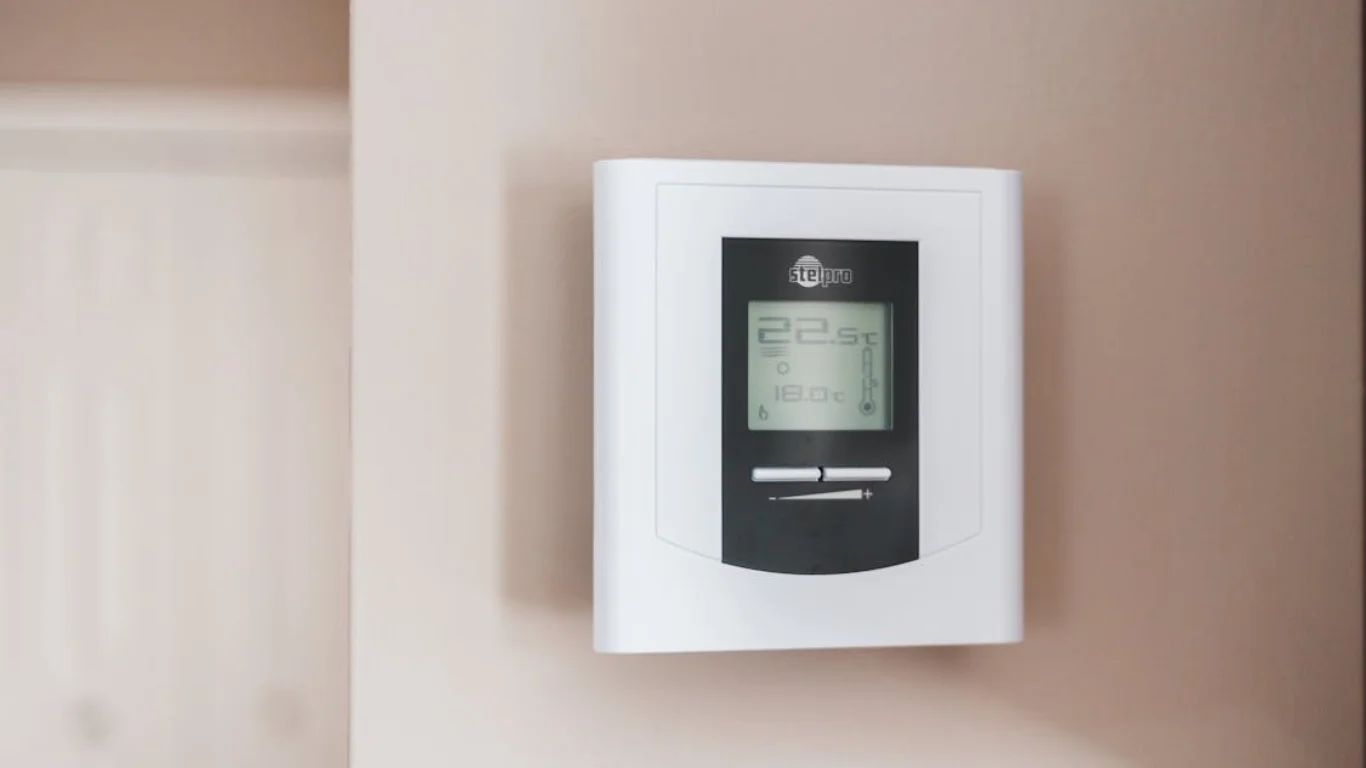
Heating is typically the biggest contributor to winter energy bills, and it’s also where many quiet habits start. When you come in from the cold, turning the thermostat up feels like the fastest way to get comfortable. Over time, though, consistently keeping indoor temperatures higher than necessary can significantly increase energy use.
Many homeowners don’t realize how sensitive heating costs are to even small changes in temperature. Just a few degrees can make a noticeable difference over the course of a season. That’s why energy experts often explain that homeowners can turn down the heat to save money while still staying comfortable, especially when they use layers, blankets, or warm socks to make up the difference. Guidance like this helps people see that comfort doesn’t always have to come from the thermostat alone.
Finding a balance between warmth and efficiency early in winter can prevent higher costs from becoming the norm.
Leaving Heat On in Empty Rooms
Another common habit that quietly raises energy bills is heating rooms that aren’t being used. It’s easy to leave doors open and allow warm air to circulate everywhere, even in spaces that stay empty most of the day.
Guest rooms, storage areas, and rarely used offices don’t need the same level of heating as living spaces. When warm air is sent to unused rooms, your heating system has to work harder to maintain the desired temperature throughout the home.
Being mindful of which rooms truly need heat can reduce unnecessary energy use. Even small adjustments in how air is distributed can help lower costs over time without making your home feel cold.
Ignoring Drafts and Small Air Leaks
Drafts are easy to overlook, especially if they don’t feel dramatic. A small gap around a window or door might not seem like a big deal, but over an entire winter, those leaks let warm air escape and cold air creep in.
When this happens, your heating system runs longer to compensate, using more energy than necessary. You might notice certain rooms never feel quite warm enough, no matter how high the thermostat is set.
Paying attention to drafts and sealing small leaks helps keep the heat you’re paying for inside your home. This simple step supports more consistent indoor temperatures and reduces the strain on your system.
Overusing Space Heaters Without a Plan
Space heaters are often seen as a quick fix for cold rooms. While they can be useful in specific situations, frequent or unplanned use can quietly drive up energy costs.
Running multiple space heaters or leaving one on for long periods adds to overall electricity use. In some cases, it can cost more than adjusting your main heating system slightly.
Using space heaters strategically, rather than as a default solution, helps avoid unnecessary energy spikes. They work best as short-term support, not as a replacement for balanced heating.
Forgetting to Adjust Daily Routines in Winter
Winter doesn’t just change how you heat your home; it also affects how you use energy throughout the day. Longer showers, more frequent laundry, and increased cooking all contribute to higher energy use.
Hot water demand tends to rise during colder months, especially when you’re trying to warm up. While these habits are understandable, they add to overall costs when left unchecked.
Being aware of how routines shift in winter makes it easier to spot opportunities for savings. Small changes, like shorter showers or running full loads of laundry, help reduce energy use without sacrificing comfort.
Blocking Vents and Radiators Without Realizing It
Furniture placement can quietly interfere with heating efficiency. When couches, curtains, or rugs block vents or radiators, warm air can’t circulate properly.
This causes your system to work harder while delivering uneven comfort. Some rooms may feel cold while others overheat, leading to more thermostat adjustments and higher energy use.
Making sure vents and heat sources are clear allows air to flow as intended. This simple habit supports better comfort and helps your heating system run more efficiently.
Skipping Basic Winter Maintenance
Maintenance tasks often fall to the bottom of the to-do list during busy winter months. Dirty filters, neglected system checks, and blocked airflow all reduce efficiency and increase energy use.
When filters aren’t changed regularly, airflow slows down, and systems have to work harder to heat your home. Over time, this leads to higher bills and uneven temperatures.
Staying on top of basic maintenance keeps your system running smoothly and helps prevent small issues from turning into costly problems.
Assuming Energy Waste Is Inevitable in Winter
One of the biggest habits that quietly drives up energy bills is mindset. Many homeowners assume that high winter energy costs are unavoidable, so they stop looking for ways to manage them.
This belief leads to inaction. When you expect bills to be high, you’re less likely to question daily habits or make small adjustments that could help.
Winter energy use doesn’t have to feel out of your control. With awareness and intention, you can reduce waste and maintain comfort at the same time.
Winter energy bills are often shaped by habits you don’t even think about. From thermostat settings to daily routines, small choices add up over time. The good news is that most of these habits are easy to adjust once you’re aware of them.
You don’t need major upgrades or drastic changes to see results. Consistent, thoughtful habits can lower costs while keeping your home comfortable throughout the season. By paying attention to how you use heat and energy in winter, you take control of your comfort and your budget, one small change at a time.