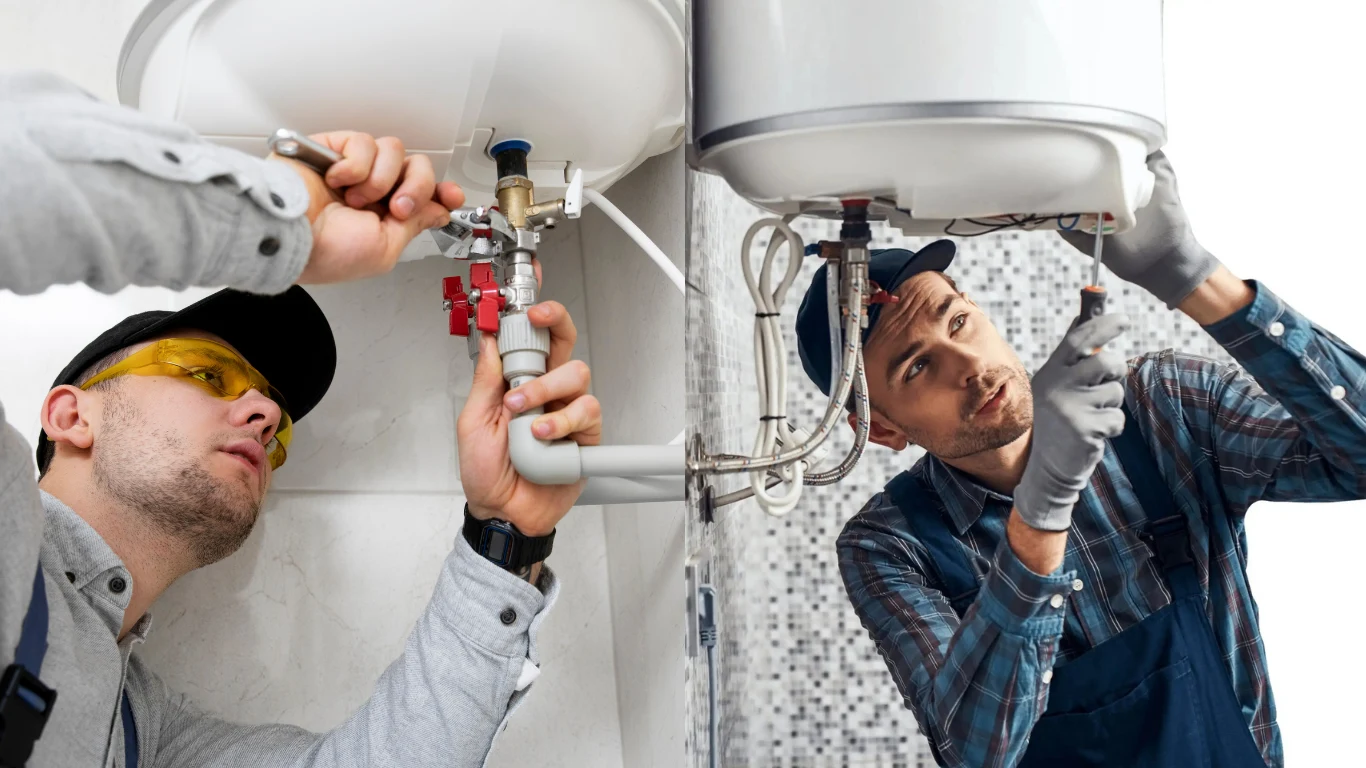
Why does my water heater make noise? Most sounds come from sediment buildup, changing water pressure, expanding metal pipes, or components vibrating while the heater operates. Some noises are completely normal, but loud banging, persistent hissing, or unusual rumbling can signal a problem that needs attention.
The sound itself can tell us quite a bit. A popping heater often points to mineral deposits, while banging may come from water hammer in the plumbing. I wouldn’t rush to replace a noisy water heater without checking when the sound happens, where it’s coming from, and whether the hot water is still working normally.
Why Does My Water Heater Make Noise?
Water heaters make noise because heating and moving water creates physical changes inside the tank and surrounding pipes. Metal expands, valves open and close, and water moves through narrow connections. Over time, sediment can collect inside the tank and make these ordinary processes noticeably louder.
I find it more helpful to identify the actual sound before assuming something is broken. Here’s a quick comparison of common water heater noises and what they usually suggest.
| Water heater noise | Possible cause | What to do |
|---|---|---|
| Popping | Sediment trapping heated water | Consider tank flushing |
| Rumbling | Heavy mineral buildup | Schedule maintenance |
| Banging | Water hammer or pipe movement | Check plumbing pressure |
| Hissing | Condensation, leakage, or valve discharge | Inspect for warning signs |
| Whistling | Restricted water flow | Check visible valves |
| Humming | Heating-element or motor vibration | Identify the source |
| Ticking | Thermal expansion or heat traps | Monitor the sound |
| Gurgling | Air or moving water | Check recent water interruptions |
| Beeping | Electronic alert or system fault | Read the error display |
These are possible explanations, not guaranteed diagnoses. A sound that becomes louder, continues unusually long, or appears alongside leaking water deserves closer inspection.
Why Is My Water Heater Popping, Rumbling, or Crackling?
Popping and rumbling are particularly common in traditional tank water heaters. The usual explanation is sediment collecting near the heating surface, especially in homes with mineral-rich water.
Sediment Buildup at the Bottom of the Tank
When water enters a storage tank, it carries dissolved minerals such as calcium and magnesium. As the water heats, some minerals form deposits that gradually settle at the bottom.
In a gas water heater, these deposits can trap small amounts of water near the heated tank surface. As trapped water heats and forms steam bubbles, it escapes through the sediment and creates popping or crackling sounds. Electric water heaters can experience similar problems when mineral scale collects around their heating elements.
I wouldn’t ignore persistent rumbling because heavy deposits can interfere with heat transfer. The heater may take longer to produce hot water, use additional energy, or experience unnecessary wear.
When Popping or Rumbling Means a Bigger Problem
An occasional pop doesn’t automatically mean your tank is failing. However, I would pay closer attention when the noise becomes noticeably louder or appears alongside changes in performance.
Watch for these symptoms:
- Hot water runs out sooner: Sediment or a heating problem may be reducing usable hot-water capacity.
- Heating takes longer: Mineral deposits can make heat transfer less effective.
- Water looks cloudy or rusty: Minerals or corrosion may be affecting the system.
- Rumbling continues after maintenance: Hardened deposits or another fault may still be present.
Flushing can remove loose sediment, but it won’t necessarily clear years of hardened scale. If the heater remains noisy after proper servicing, I’d have a plumber inspect it rather than repeatedly draining the tank.
Anode Rods and Unusual Mineral Deposits
Not every popping sound comes from ordinary calcium deposits. Some water heaters develop unusual deposits because minerals in the water react with the tank’s sacrificial anode rod, which helps protect the tank against corrosion.
For example, certain water conditions can produce aluminum-hydroxide deposits in heaters with aluminum anodes. These may create crackling, gurgling, or popping sounds, sometimes even in relatively new tanks.
A.O. Smith documents this issue in its technical guidance on aluminum hydroxide. I’d leave anode-rod inspection and material changes to someone familiar with the specific heater, since installing an unsuitable replacement can create other problems.
Why Does My Water Heater Make Banging or Knocking Sounds?
A loud bang doesn’t always originate inside the tank. Sometimes the surrounding plumbing creates the sound, especially when water suddenly stops moving or hot pipes expand against nearby materials.
Water Hammer and Sudden Pressure Changes
Water hammer occurs when flowing water stops abruptly and creates a pressure surge inside the plumbing. You might hear a sharp knock when someone turns off a faucet or when a washing machine finishes filling.
The heater often gets blamed because the sound travels through connected pipes. I would check the timing before assuming the tank itself is responsible.
Common solutions include:
- Installing water hammer arrestors near affected fixtures.
- Securing pipes that move or strike nearby framing.
- Having excessive household water pressure checked and corrected.
- Inspecting pressure-reducing valves that may be malfunctioning.
If the banging happens immediately after a faucet or appliance valve closes, water hammer becomes a stronger possibility than sediment buildup.
Thermal Expansion, Loose Pipes, and Heat Traps
Hot water causes metal pipes and fittings to expand slightly. As they cool, they contract again, sometimes creating ticking, tapping, or occasional clunking sounds.
The noise becomes more noticeable when pipes rub against wall openings, brackets, or floor framing. Some heaters also have heat-trap fittings that produce clicking sounds as water moves through them.
I generally wouldn’t worry about an occasional gentle tick without other symptoms. Repeated loud knocks, however, deserve attention, particularly when the pipes visibly shake.
When an Expansion Tank or Pressure Inspection Is Needed
Water expands as it heats. In a closed plumbing system, where a check valve or similar device prevents expanded water from flowing backward into the supply, this can increase pressure.
A properly sized and maintained thermal expansion tank provides space for that expanding water. Without adequate pressure control, homeowners may notice pipe noises or discharge from the temperature and pressure relief valve.
I wouldn’t recommend installing an expansion tank blindly. A plumber should first determine whether the system needs one and check the existing water pressure and expansion-control equipment.
What Do Hissing, Whistling, Humming, and Gurgling Mean?
Some water heater noises are harder to identify than a straightforward pop or bang. Hissing, whistling, humming, and gurgling can have different explanations depending on the heater type and when the sound occurs.
Hissing or Sizzling from Condensation and Leaks
A gas water heater may briefly sizzle when condensation drips onto a hot burner during heating. This can happen during startup or when colder water enters the tank, and it may disappear as the system warms.
Persistent sizzling is different. Water could be leaking from a connection, gasket, or tank surface and contacting a hot component. In electric models, a leaking heating-element gasket can also cause problems.
I’d inspect the surrounding floor and visible connections without removing protective covers. If moisture continues to appear, arrange professional service, because a small leak can become a much bigger repair.
Whistling or Screeching from Restricted Water Flow
A water heater making a high-pitched noise may have restricted water flow. As water moves through a partially blocked opening, it can produce a whistle that sounds surprisingly similar to a kettle.
Possible explanations include:
- A partially closed or damaged water supply valve.
- Mineral deposits restricting plumbing connections.
- A malfunctioning valve or pressure-control component.
- Obstructed venting or blower problems in certain gas models.
I would start by checking accessible valve positions visually, without forcing stuck fittings. If the sound comes from the temperature and pressure relief valve, or from gas-burning or venting components, professional inspection is the safer choice.
Humming, Buzzing, Ticking, and Beeping
A low hum in an electric water heater can come from heating elements vibrating during operation. Heat-pump models may also produce fan and compressor noises, while power-vented gas heaters use blowers that create normal operating sounds.
Buzzing can sometimes indicate a loose component, worn motor, or electrical fault. If it’s unusually loud or accompanied by overheating, a burning smell, or repeated breaker trips, I’d stop using the equipment and call a professional.
Beeping usually deserves a different response. On electronically controlled models, it often indicates a fault code, maintenance reminder, or operating alert, so the display and owner’s manual should be checked before guessing at the cause.
Gurgling or Running Water After the Supply Is Turned Off
A gurgling water heater can be unsettling, especially after municipal water-system repairs or a temporary water shutoff. Air entering the plumbing may move through the pipes as service returns, causing sputtering, bubbling, or gurgling.
Here’s what I’d check:
- Whether the sound started immediately after water service resumed.
- Whether hot-water faucets sputter or release trapped air.
- Whether the heater appears to be leaking or continuously refilling.
- Whether the sound disappears once normal water flow returns.
If the tank may have drained, don’t energize it until it’s completely refilled and air has been purged according to the manufacturer’s instructions. Running an electric heating element without enough water can destroy it.
A persistent running-water sound when no fixtures are in use could indicate a hidden plumbing leak or a problem with an inlet valve. Tankless systems may also produce normal condensate-drain sounds, so I’d consider the equipment type before drawing conclusions.
Is a Noisy Water Heater Dangerous?
Most water heater noises aren’t emergencies, but some indicate conditions that shouldn’t be ignored. The difference usually comes down to sound intensity, duration, visible damage, and whether the heater is behaving normally.
Which Noises Are Usually Normal?
Gentle ticking during heating and cooling is generally expected because metal components change temperature. A brief ignition sound from a gas heater, soft electric humming, or normal fan operation may also be harmless.
Temporary gurgling after heavy hot-water use or plumbing service can simply reflect water and air movement. My general rule is that a familiar, quiet sound with no leaks or performance problems is less concerning than a new sound that keeps getting worse.
Warning Signs That Require Immediate Attention
Some symptoms call for more than routine maintenance. I would treat the following as warning signs rather than attempting a quick DIY fix:
- Suspected gas leak: A rotten-egg gas odor or unexplained hissing near a gas connection requires immediate evacuation.
- Relief valve discharging repeatedly: Hot water escaping from the T&P valve may signal excessive pressure, temperature, or a defective component.
- Active water leakage: Water spreading around the tank, especially near electrical components, needs prompt attention.
- Severe overheating or unusual vibrations: These can indicate faulty controls or mechanical problems.
If you suspect a gas leak, leave immediately, avoid electrical switches or flames, and call 911 or your gas utility from a safe location. Do not remain inside to troubleshoot.
Never cap or block a temperature and pressure relief valve discharge pipe. It’s a safety device designed to release dangerous pressure or temperature buildup.
How to Stop Water Heater Noise Safely
The best solution depends on the actual source. I prefer identifying the noise before attempting repairs, because flushing a tank won’t solve water hammer, and tightening pipes won’t correct a leaking relief valve.
Identify When and Where the Sound Happens
Start by listening from a safe distance and noting whether the sound occurs during heating, immediately after a faucet closes, or continuously throughout the day. Also consider whether it comes from the tank, connected pipes, or a fan housing.
Check the visible area for moisture, corrosion, moving pipes, and error messages. If the heater is producing less hot water or cycling unusually often, mention those symptoms when arranging an inspection. They can help a technician distinguish sediment from mechanical or plumbing faults.
Flush Sediment from a Tank Water Heater
If sediment is the likely cause, flushing may reduce popping and rumbling. I recommend following the exact maintenance instructions for your model, particularly if the tank hasn’t been serviced for several years.
A typical manufacturer-approved process involves:
- Shut off the heating source: Turn off electrical power or place the gas system in the manufacturer’s specified maintenance mode.
- Let the water cool: Run hot water until it’s safe to drain, following the manual’s precautions.
- Connect a drain hose: Direct water to a suitable drain that can safely handle the discharge.
- Drain and flush: Follow the specified inlet-valve and drain-valve sequence to remove loose sediment.
- Refill before restarting: Close the drain, refill the tank, purge trapped air through a hot-water faucet, and restore energy only after confirming the tank is full.
These are general steps, not a replacement for the heater’s manual. If a drain valve is corroded or stuck, I’d hire a professional instead of forcing it, and I wouldn’t operate the relief valve casually because it can discharge scalding water or fail to reseat.
Check Temperature Settings, Visible Valves, and Connections
Water temperature affects heating cycles, energy use, and expansion. The U.S. Department of Energy generally identifies 120°F as a suitable residential starting point, although certain household conditions and health considerations may require different storage temperatures and mixing-valve protection.
Before arranging a repair, I’d use this simple comparison.
| Check or repair | DIY or professional? | Reason |
|---|---|---|
| Read the error display | DIY | Doesn’t require opening equipment |
| Inspect visible leaks | DIY observation | Helps identify the problem |
| Adjust an accessible thermostat | DIY if permitted by manual | Avoids electrical exposure |
| Flush an accessible tank | DIY only if competent and manual permits | Hot water and valve risks |
| Replace heating elements | Professional recommended | Electrical and sealing risks |
| Repair T&P or gas components | Qualified professional | Serious safety consequences |
Avoid removing electrical access covers, modifying gas connections, or opening sealed combustion components without proper training. If a pilot light has gone out, use only the manufacturer’s lighting instructions; unusual flame behavior or repeated ignition failure should be professionally checked.
How Can I Prevent My Water Heater from Making Noise?
Preventing water heater noise is usually easier than dealing with severe sediment buildup or worn components. Routine maintenance can reduce unnecessary strain while helping the heater operate consistently.
Routine Flushing, Water Quality, and Component Inspections
The maintenance schedule should reflect your water quality, heater design, and manufacturer’s recommendations. Homes with hard water may need more frequent attention than those with relatively low mineral content.
I’d prioritize these maintenance habits:
- Flush or drain sediment as recommended: Many manufacturers suggest annual maintenance, but follow the instructions for your model.
- Check the anode rod periodically: Replace it when its condition meets the manufacturer’s replacement criteria.
- Monitor plumbing pressure: Ask a plumber to investigate recurring pressure-related noises or relief-valve discharge.
- Inspect visible connections: Look for corrosion, moisture, and unusual pipe movement.
- Address hard water: Consider appropriate water treatment when mineral buildup repeatedly causes problems.
I’d also avoid assuming that adding a water softener eliminates all maintenance. Treated water can change corrosion conditions, so anode inspections and other manufacturer-recommended checks still matter.
Maintenance Differences Between Tank, Tankless, and Heat-Pump Models
Traditional storage tanks commonly develop sediment on their bottoms, whereas tankless systems can accumulate mineral scale inside narrow heat-exchanger passages. Tankless units may need model-specific descaling procedures, particularly in hard-water areas.
Heat-pump water heaters operate differently because they use a refrigeration system to move heat into the water. Fans and compressors produce sounds that conventional electric resistance heaters don’t, and a dirty air filter can make the system less efficient.
I would follow the maintenance guide for the exact equipment rather than applying ordinary tank-flushing instructions to every water heater. Power-vented gas units also need proper airflow and venting, so abnormal blower noises should be checked by a technician.
When Should You Repair or Replace a Noisy Water Heater?
A noisy water heater doesn’t automatically need replacing. If the tank is structurally sound and the problem comes from sediment, a faulty thermostat, a heating element, or a replaceable valve, repair may be the more economical option. I’d compare the repair estimate with the heater’s condition and expected remaining service life before deciding.
Age matters, but it isn’t the whole story. Many conventional tank water heaters last around 8–12 years, while tankless units can last longer with proper maintenance. An older heater with repeated failures, rusty hot water, poor heating performance, or a leak through the tank body is a stronger replacement candidate. Repairing external fittings is one thing; a corroded, leaking storage tank is another.
If you’re asking yourself, “why does my water heater make noise?”, start by identifying the sound and checking for warning signs instead of assuming the worst. A little ticking may need nothing, sediment-related popping may respond to maintenance, and persistent leaking or pressure-related noises deserve professional attention. I would rather fix the actual cause early than pay for a replacement that might never have been necessary.
Frequently Asked Questions
1. Is it normal for a water heater to make noise while heating?
Yes, gentle ticking, humming, and occasional clicking can be normal as water heats and components expand. However, loud or worsening popping, banging, or hissing should be investigated, especially when accompanied by leaks or reduced hot-water performance.
2. Why does my water heater make a popping sound?
Popping usually happens when mineral deposits collect inside a tank and trap small amounts of water against heated surfaces. As that water heats and escapes through the sediment, it creates popping sounds that may improve after proper flushing.
3. Why is my water heater making noise when no water is running?
A water heater can make noise without an open faucet because its thermostat may activate heating to maintain the stored water temperature. Continuous running-water sounds, however, may indicate water movement through a leak or another plumbing problem that needs inspection.
4. Will flushing my water heater stop the noise?
Flushing often helps when loose sediment causes popping or rumbling. It won’t necessarily remove hardened scale or fix noises caused by water hammer, damaged valves, loose pipes, or faulty heating components.
5. Can a noisy water heater explode or burst?
Noise alone doesn’t mean a water heater is about to explode, and most popping or ticking sounds aren’t signs of imminent failure. Nevertheless, severe overheating, excessive pressure, a defective relief valve, or unsafe gas conditions can be dangerous and require immediate professional attention.
6. How much does it cost to fix a noisy water heater?
The cost depends on the cause, your location, and whether the heater needs maintenance, a replacement component, or major repairs. A sediment flush may cost much less than replacing a pressure-control assembly or an entire tank, so I’d get an itemized diagnosis before agreeing to expensive work.